

 效果预览
效果预览
 分享
分享 分享
分享
 详情
详情

 下载
下载
 相似作品
相似作品 X射线
X射线 幻灯片播放
幻灯片播放 统计数据
统计数据Griffoni Polyptych: The Crucifixion
 Oil On Canvas
- WallArt
- Renaissance Early Renaissance
 1473
1473 63.0 x 63.0 cm
 国家美术馆
国家美术馆
 展开详情
展开详情
艺术微喷/版画
博物馆级艺术微喷或帆布版画,制作高效,并提供多种饰面选择。 ( 购买手绘画作 切换至数字图像销售渠道)




P118B $10

P118H $10

P118W $10

P438Z $10

P508JH $12

P508YH $12

P805H $10

P805Z $10

P919BZ $10

P919G $10

P919XJ $10

P959ZH $10

P968JZ $12

W106C $8

W218G $10

W218JH $8

W218Y $10

W307PJ $10

W316G $10

W316PJ $8

W316Y $10

W398PJ $8

W4111J $10

W500HY $15

W500JH $15

W692G $12

W849H $8

W940BG $15

W953PJ $8




从与原作比例一致的预设尺寸中进行选择。

您可以输入自定义尺寸,以适配特定的画框或空间。如果您选择的尺寸与原图比例不符,我们将对作品进行裁剪,或通过镜像填充/纯色填充边缘的方式来扩展图像。在开始制作之前,我们会向您发送一份数字效果图供您确认。
请注意,屏幕上的预览并不能反映实际的裁剪或扩展效果。只有效果图才能准确展示最终的构图。
虽然我们提供定制尺寸,但为了保持原图比例,我们建议您从预设列表中选择尺寸。


 玻璃选项仅适用于110厘米以下的尺寸。

Griffoni Polyptych: The Crucifixion
艺术微喷/版画
复制品尺寸
-


最终总价
$ 80
The Griffoni Polyptych: A Ferrarese Masterpiece of Suffering and Grace
The Griffoni Polyptych, specifically its arresting depiction of “The Crucifixion,” stands as a poignant testament to the artistic prowess of Francesco del Cossa during the late 15th century. Painted in 1473 for the wealthy Florentine family of Floriano Griffoni, this altarpiece transcends mere religious iconography; it’s a deeply felt meditation on sacrifice, grief, and the enduring power of faith. Delivered to the church of San Petronio in Bologna, its subsequent journey through private collections speaks volumes about its lasting appeal – a quality rooted not just in technical skill but in an emotional resonance that continues to captivate viewers centuries later.
Cossa’s style is firmly embedded within the Ferrarese school, a movement characterized by a rich palette, meticulous detail, and a dramatic use of light and shadow. He skillfully employs tempera on panel, a technique favored for its luminosity and ability to capture subtle gradations of color – qualities particularly evident in the drapery and the flesh tones of Christ and his tormentors. The composition is carefully balanced, drawing the eye towards the central figure of Jesus, yet simultaneously incorporating elements that create a sense of unease and drama. Notice how the figures are not simply arranged; they’re placed within a meticulously rendered architectural setting – a stark contrast to the more ethereal depictions common in earlier religious art.
A Study in Contrasts: Figures and Space
The painting is immediately striking for its masterful use of contrasting elements. The foreground, dominated by the figures of the Roman soldiers and onlookers, is rendered with a palpable sense of urgency and brutality. Their faces are etched with sorrow and disbelief, reflecting the horror of the event unfolding before them. Del Cossa’s attention to detail extends even to the smallest gestures – the clenched fists, the averted gazes, the expressions of anguish – conveying a profound understanding of human emotion. Juxtaposed against this is the serene suffering of Christ himself, presented with an almost sculptural quality. His body, draped in flowing robes, appears both vulnerable and powerfully dignified.
The architectural setting further enhances this contrast. The rough-hewn stone walls and simple furnishings of the Roman scene stand in stark opposition to the more refined details of the background – a suggestion of a distant landscape hinting at the broader context of Christ’s sacrifice. This spatial arrangement isn't merely decorative; it serves to underscore the thematic tension between earthly suffering and divine grace.
Symbolism and Emotional Impact
Beyond its technical brilliance, the Griffoni Polyptych is rich in symbolic meaning. The presence of the onlookers – a diverse group representing various social classes – underscores the universality of Christ’s sacrifice. The soldiers, armed with spears and swords, represent the forces of opposition, while the women weeping symbolize compassion and grief. The positioning of these figures creates a dynamic narrative, inviting viewers to contemplate the events leading up to and following the crucifixion.
Perhaps most powerfully, the painting evokes a profound sense of empathy. Christ’s suffering is not presented as a distant theological abstraction but as a deeply human experience – one that resonates with our own capacity for pain and loss. The artist's skillful rendering of his physical agony, combined with the expressions of sorrow on the faces of those around him, creates an emotional impact that transcends time and culture. It’s a scene designed to provoke reflection, not just admiration.
A Legacy of Beauty and Emotion
The Griffoni Polyptych remains a remarkable achievement in Renaissance art, showcasing Del Cossa's mastery of tempera technique and his profound understanding of human emotion. Its journey through history—from its original commission to its current presence in collections around the world—testifies to its enduring value as both an artistic masterpiece and a powerful expression of faith. Reproductions offer a chance to experience this emotional depth, allowing viewers to connect with the scene's timeless themes of sacrifice, suffering, and redemption.
艺术家简介
弗朗切斯科·德尔·科萨:费拉拉文艺复兴的巨匠
弗朗切斯科·德尔·科萨(约1436年-1477年)是一位与费拉拉学派紧密相关的意大利文艺复兴画家。他出生于意大利费拉拉,至今仍是一个引人入胜的人物,其生平与职业生涯在历史细节中多少有些神秘,然而他的艺术贡献,尤其是那些壁画,却如同不朽的证明,彰显着他在蓬勃发展的文艺复兴风格中所展现出的高超技艺和创新精神。
早年生活与学徒时期
德尔·科萨是石匠克里斯托法诺·德尔·科萨的儿子,其父本身也是一位艺术家。关于弗朗切斯科早期的艺术训练,确切了解甚少,但人们相信他大约在1456年左右曾协助父亲在费拉拉主教宫的小礼拜堂绘制装饰画。这种早期接触艺术实践的经历,无疑塑造了他最初的发展轨迹。据推测,在他二十多岁或三十出头的年纪,他曾离开过费拉拉旅行,这段经历使他积累了经验,并可能邂逅了新的艺术影响。
主要作品与艺术风格
德尔·科萨最受赞誉的,是他那些壁画系列,其中最著名的便是装饰着费拉拉城门外一座夏宫——施法诺瓦宫(Palazzo Schifanoia)的壁画。他曾与科西莫·图拉合作,为描绘十二星座和一年四季的宏大寓言装饰贡献了自己的心血。归功于德尔·科萨的具体壁画包括“五月寓言——阿波罗胜利”,该作品以其令人惊艳的构图而著称,其中描绘了大量赤裸的年幼孩童;还有“四月寓言”,它展示了早期对三美神(Three Graces)的描绘,甚至早于波提切利的著名版本。这些壁画充分展现了他对透视法、细节处理和叙事艺术的精湛掌握。
- 施法诺瓦宫壁画: 融合了古典神话与文艺复兴写实主义的十二星座寓言。
- 五月寓言——阿波罗胜利: 因其对众多赤裸孩童的独特描绘而闻名。
- 四月寓言: 展示了早期对三美神的描绘,体现了他对古典主题的深刻理解。
除了施法诺瓦宫的作品外,德尔·科萨还创作了其他重要的艺术品:
- 带两位圣徒的圣母子像(博洛尼亚)
- 阿尔贝托·德卡塔内尼肖像(博洛尼亚)
- 描绘了圣母玛利亚与圣子,并包含乔瓦尼·本蒂沃里奥和玛丽亚·温齐格拉肖像的《巴拉卡诺圣母》壁画》(博洛尼亚)。
- 博洛尼亚圣乔瓦尼山上的一扇彩色玻璃窗(有署名)。
发展历程与影响
德尔·科萨的风格,完美地融合了费拉拉文艺复兴特有的多种影响。尽管其根源深植于更早期的哥特式传统,但他的作品却展现出对古典形式和人文主义理想日益增长的关注。他对织物和纹理的细致描绘,透露出一种敏锐的观察力。早期尼德兰绘画的影响也可以在他的精细细节处理中被察觉到。他在本蒂沃里奥家族赞助下于博洛尼亚短暂而有影响力的时期,进一步锤炼了他的风格,促成了他一些最著名的肖像作品。
历史意义
弗朗切斯科·德尔·科萨的艺术遗产,建立在他对费拉拉文艺复兴艺术的贡献以及其独特的艺术视野之上。尽管他的职业生涯相对短暂,但他留下的作品集却展示了那个时代蓬勃的活力与创新精神。他在施法诺瓦宫的壁画,是十五世纪宫廷生活和艺术赞助制度无价的历史文献。他对三美神等古典主题的描绘,体现了他对人文主义理想的早期参与。德尔·科萨近期在阿里·史密斯的小说《如何成为两者》中的提及,以及他与谷歌地球寻宝游戏的关联,更进一步地提升了这位常被忽视的文艺复兴巨匠的关注度。

弗朗切斯科·德尔科萨
1436 - 1477 , 意大利
艺术家简介
- Artistic Movement Or Style: 意大利文艺复兴
- Artists Or Movements Influenced By This Artist: ['莱昂纳多·斯卡莱蒂']
- Date Of Birth: 1436
- Date Of Death: 1477
- Full Name: 弗朗切斯科·德尔·科萨
- Nationality: 意大利
- Notable Artworks:
- 五月寓言
- 四月寓言
- 一位男士的肖像
- 圣母与圣子
- 圣文森特·费雷尔
- Place Of Birth (City And Country): 意大利,费拉拉
相关文章
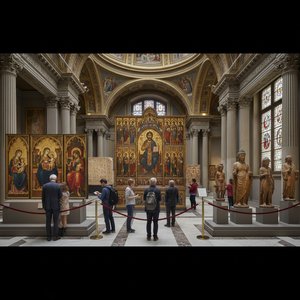
Sacred Narratives Embodied: A Comprehensive Exploration of Religious Iconography in Art History
Explore the rich history of religious iconography in art! Discover symbolism, movements & masterpieces from Byzantine to Renaissance periods. Expert insights for collectors and enthusiasts at OriginalUniqueArt.
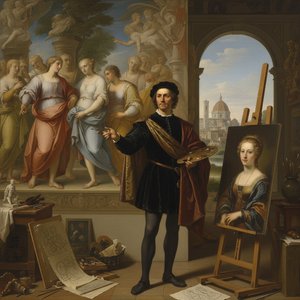
Andrea del Sarto: Florentine Grace, Technical Mastery & Artistic Ambition
Explore the life & art of Andrea del Sarto, a Florentine Renaissance master renowned for harmonious compositions & technical brilliance. Discover his frescoes, portraits, and lasting influence on art history.
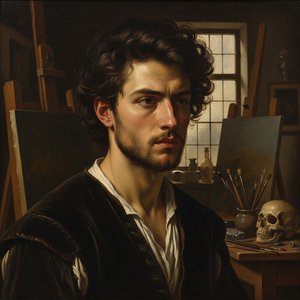
Cecco del Caravaggio: Rediscovering the Shadowy Genius of Francesco Buoneri
Explore the captivating world of Cecco del Caravaggio (Francesco Buoneri), a pivotal Baroque artist. Discover his dramatic realism, mysterious life, and lasting legacy with OriginalUniqueArt's expert analysis.
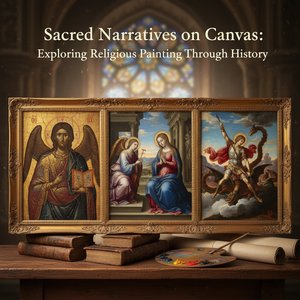
Sacred Narratives on Canvas: Exploring Religious Painting Through History
Explore the rich history of religious painting with OriginalUniqueArt.com! Discover iconic artworks, symbolism & techniques from antiquity to the Renaissance. Enhance your art appreciation today.

Sacred Narratives on Canvas: Exploring Religious Scenes & Their Enduring Influence
Explore the rich history of religious art from Giotto to the Renaissance masters with OriginalUniqueArt. Discover symbolism, techniques & enduring legacies. Museum-quality reproductions available.
