切换至版画销售渠道
 展开全文
展开全文







































 对于任何边长超过 105 厘米(约 41 英寸)的艺术品或复制品,画框将以拆解后的组件形式发货。此方法可确保安全送达并防止运输过程中的损坏。


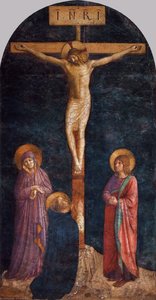
A Vision of Divine Motherhood: Fra Angelico’s *Virgin and Child* (1435)
This exquisite red chalk drawing on stone presents a deeply moving depiction of the Virgin Mary cradling the Christ Child, created in 1435 by the celebrated Italian Renaissance master, Fra Angelico. The work embodies the spiritual intensity and artistic innovation that define his oeuvre, offering a glimpse into the devotional practices and aesthetic sensibilities of the early 15th century.Stylistic Roots & Byzantine Echoes
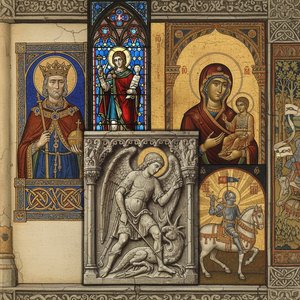
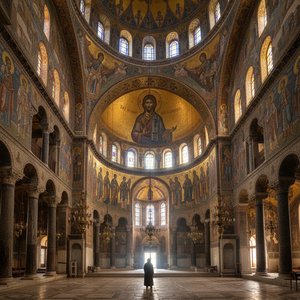
Fra Angelico, born Giovanni da Fiesole, was a Dominican friar whose religious devotion profoundly shaped his artistic output. This *Virgin and Child* showcases his distinctive style – a harmonious blend of emerging Renaissance naturalism with the enduring traditions of Byzantine iconography. Note the elongated proportions of both figures, reminiscent of Byzantine mosaics and panel paintings. The flattened perspective, eschewing strict realism for spiritual emphasis, further reinforces this connection to earlier artistic styles. However, unlike purely iconic representations, Angelico infuses his figures with a nascent sense of volume and tenderness, hinting at the humanist concerns gaining prominence during the Renaissance.Technique & Materiality
The choice of red chalk on textured stone is particularly significant. This wasn’t a preparatory sketch; it *is* the finished work. The directness of drawing onto the stone lends an immediacy and tactile quality, suggesting a deeply personal connection between artist and subject. Angelico masterfully employs hatching and cross-hatching to build tonal variations within the red chalk, subtly modeling the forms and creating a sense of depth. The rough texture of the stone itself adds another layer of visual interest, evoking a sense of age and reverence. The skillful use of negative space – the untouched areas of the stone – defines shapes and enhances the composition’s clarity.Symbolism & Religious Context
The *Virgin and Child* is arguably the most iconic subject in Christian art. Here, it represents not merely a maternal bond but also embodies core theological concepts: Mary as the *Theotokos*, “God-bearer,” and Christ as the embodiment of divine grace and salvation. The solemnity of their poses and the quiet intimacy of their interaction convey a sense of profound spiritual contemplation. In 1435, Florence was a hub of religious fervor and artistic patronage; works like this were created for private devotion or to adorn monastic cells – spaces designed to foster prayer and meditation. Fra Angelico himself worked extensively on frescoes in monasteries, imbuing these sacred spaces with his distinctive vision.Emotional Resonance & Lasting Appeal
This *Virgin and Child* transcends its historical context to offer a timeless message of faith, love, and hope. The work’s quiet beauty and understated elegance invite viewers into a space of peaceful contemplation. The expressive lines and delicate shading create an atmosphere of serene devotion, making it a compelling piece for both art enthusiasts and those seeking to bring a sense of spiritual tranquility into their homes. Beato Angelico, as he was later known, truly captured the divine in his artistry, and this drawing stands as a testament to his enduring legacy. Collectors will appreciate its rarity and historical significance, while interior designers may find its muted palette and devotional subject matter ideal for creating contemplative spaces.常见问题与解答
“Virgin and Child”代表了安吉利科艺术生涯的哪个阶段?
“Virgin and Child”创作于安吉利科艺术生涯的Mature Period时期。这一时期标志着该作品与艺术家艺术风格演进的紧密关联。
安吉利科 的《Virgin and Child》 的亮度是多少?
"Virgin and Child" 的色彩呈现出 Gentle Luminance 的亮度。
安吉利科 的《Virgin and Child》 的技法与风格具有哪些特征?
安吉利科 的《Virgin and Child》 将 Acrylic 技法与 Byzantine Iconography 流派风格完美融合。技法与流派分别描述了作品的创作手法及其艺术风格。
 实景预览
实景预览
 分享
分享 分享
分享
 详情
详情 指南
指南

 下载作品
下载作品
 相似作品
相似作品 X射线
X射线 幻灯片播放
幻灯片播放 问答
问答 统计数据
统计数据