 效果预览
效果预览
 购买印刷品
购买印刷品 分享
分享 分享
分享
 详情
详情

 下载
下载
 相似作品
相似作品 X射线
X射线 幻灯片播放
幻灯片播放St Romuald


 展开详情
展开详情




P118B $10

P118H $10

P118W $10

P438Z $10

P508JH $12

P508YH $12

P805H $10

P805Z $10

P919BZ $10

P919G $10

P919XJ $10

P959ZH $10

P968JZ $12

W106C $8

W218G $10

W218JH $8

W218Y $10

W307PJ $10

W316G $10

W316PJ $8

W316Y $10

W398PJ $8

W4111J $10

W500HY $15

W500JH $15

W692G $12

W849H $8

W940BG $15

W953PJ $8




从与原作比例一致的预设尺寸中进行选择。

您可以输入自定义尺寸,以适配特定的画框或空间。如果所选尺寸与原图比例不符,我们将通过裁剪作品或添加手绘元素来扩展画面。数字样稿将在制作开始前发送给您确认。
请注意,屏幕预览无法准确反映实际的裁剪或扩展效果,只有样稿才能真实呈现最终的构图。
虽然我们提供定制尺寸服务,但为了保留原作比例,建议您从预设列表中选择尺寸。
下单后,OriginalUniqueArt.com 团队将通过电子邮件联系客户获取具体要求,并提供效果预览图。


 玻璃选项仅适用于110厘米以下的尺寸。

St Romuald
复制材质
复制品尺寸
-


最终总价
$ 300
作品详情
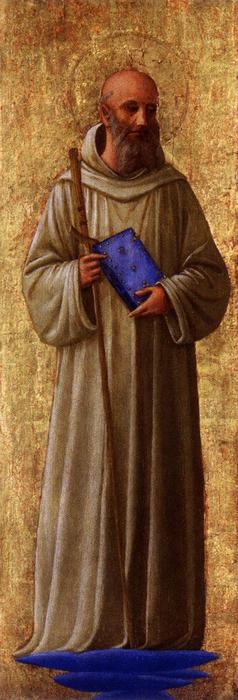
The Serene Figure of St. Romuald by Fra Angelico
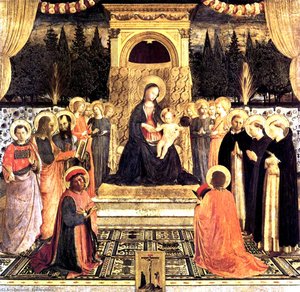
Fra Angelico’s “St. Romuald,” painted in 1438-1440, is more than just a portrait; it's an intimate glimpse into the soul of a man dedicated to spiritual contemplation and monastic life. This panel painting, executed in tempera on wood, embodies the hallmarks of the Early Renaissance while simultaneously radiating a profound sense of peace and devotion. The work resides within the broader context of Fra Angelico’s prolific output at San Marco Monastery in Florence, serving as part of the larger “San Marco Altarpiece” – a series that profoundly shaped the artistic landscape of the period.
The subject himself, St. Romuald, is depicted with remarkable dignity and quiet strength. He stands before a simple wall, his posture suggesting both contemplation and readiness. In his left hand, he holds an open book—a potent symbol of knowledge, scripture, and the monastic pursuit of wisdom. A staff, crafted from reeds, rests in his right hand, representing guidance, protection, and connection to the natural world – reflecting Romuald’s commitment to a life lived close to God and nature. The subtle golden halo above his head isn't merely decorative; it signifies his sanctity and elevation within the Christian faith.
A Masterclass in Early Renaissance Technique
Fra Angelico’s genius lies not only in his subject matter but also in his masterful technique. He employs a delicate layering of tempera paint, building up translucent glazes to achieve an astonishing luminosity and depth. Notice how the light seems to emanate from within the figure, illuminating his face and highlighting the folds of his robe. The use of *sfumato*, a subtle blurring of lines and edges, creates a sense of atmospheric perspective, drawing the viewer’s eye into the scene and lending it an ethereal quality. The background wall, rendered in muted gold tones, provides a luxurious yet understated backdrop, emphasizing the saint's solemnity without overwhelming the figure.
The painting’s composition is remarkably balanced and harmonious. The placement of St. Romuald within the frame, coupled with the simplicity of the setting, creates a sense of stability and serenity. There’s an intentional restraint in the details – no extraneous elements distract from the central figure. This focus on essential forms and spiritual content is characteristic of Fra Angelico's approach, reflecting his deep-seated belief that art should serve as a conduit for divine inspiration.
Symbolism and Spiritual Resonance
Beyond its aesthetic beauty, “St. Romuald” is rich in symbolic meaning. The book represents the monastic commitment to learning and prayer, while the staff symbolizes the saint’s role as a protector and guide. The choice of reeds for the staff speaks to Romuald's connection with nature and his humble lifestyle. The golden halo, a recurring motif in Fra Angelico’s work, signifies divine grace and spiritual enlightenment.
St. Romuald himself was a pivotal figure in the development of the Camaldolese order, known for its austere practices and dedication to contemplation. His life exemplified a return to the simplicity and spirituality of early monasticism, offering a powerful counterpoint to the increasingly opulent and worldly trends of the Renaissance. The painting serves as a poignant reminder of this enduring legacy – a testament to the transformative power of faith and devotion.
A Timeless Piece for Reflection and Decoration
Reproductions of “St. Romuald” by OriginalUniqueArt.com offer an exceptional opportunity to bring this exquisite artwork into your home or office. The meticulous detail and vibrant colors of our hand-painted reproductions faithfully capture the essence of Fra Angelico’s original masterpiece, allowing you to experience its profound beauty and spiritual resonance firsthand. Whether adorning a study, meditation room, or simply adding a touch of serenity to your surroundings, this timeless image will undoubtedly inspire contemplation and uplift the spirit.
Consider how St. Romuald's quiet strength and devotion might complement your personal style and create a space that fosters peace and reflection. Explore our range of sizes and framing options to find the perfect reproduction for your needs – each one crafted with the same care and attention to detail as the original.
艺术家简介
天使般的画师:弗朗切斯科·德·安杰利科 (Fra Angelico) 的生平与艺术
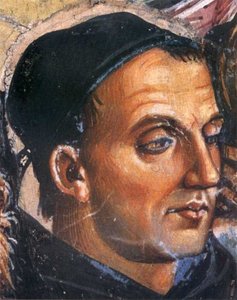
弗朗切斯科·德·安杰利科,原名圭多·迪·皮埃特罗,是文艺复兴初期佛罗伦萨最伟大的画家之一。他的名字,意为“天使般的兄弟”,恰如其分地体现了他作品中那种超越尘世的宁静与神圣之美。1395年出生于托斯卡纳丘陵中的鲁佩萨纳,关于他早年的生活知之甚少,但可以肯定的是,他接受了良好的教育,为日后的艺术生涯奠定了基础。年轻的圭多加入了佛罗伦萨附近的菲索莱的圣多梅尼克会修道院,并以弗朗切斯科·德·安杰利科的名字开始了他在宗教与艺术的双重道路。在修道院中,他最初的任务是抄写手稿,这培养了他对细节的敏锐观察力和对色彩的精湛掌握,为他日后的绘画创作打下了坚实的基础。早期风格的形成:从洛伦佐·蒙纳科到马萨乔的影响
安杰利科的艺术发展并非孤立进行,而是深深地扎根于当时佛罗伦萨蓬勃发展的艺术氛围之中。他深受同时代画家洛伦佐·蒙纳科的影响,蒙纳科是那个时代领先的画家和手稿插图师。安杰利科继承了蒙纳科优雅的线条和装饰性图案,但并未止步于模仿。他开始尝试将这些风格与新兴的自然主义相结合,这很可能受到了马萨乔开创性的壁画的影响。虽然马萨奇奥以其戏剧性的透视运用和对人体形态的逼真描绘而闻名,安杰利科选择了另一条道路。他保留了对透视的运用,但并非为了追求现实主义,而是为了创造一种更具沉浸感的精神体验。他的作品中人物虽然优雅且常常理想化,却蕴含着一种内敛的尊严和情感共鸣,超越了单纯的表象。安杰利科将绘画视为祈祷的一种形式——一种领悟神圣并将之呈现给世人的方式,这种深刻的信仰赋予了他笔下的每一笔都充满了敬畏与真诚。信仰与色彩的杰作:圣马可修道院壁画
弗朗切斯科·德·安杰利科最伟大的艺术遗产无疑是佛罗伦萨圣马可修道院的壁画。这些壁画由多米尼克会委托创作,被广泛认为是文艺复兴时期最令人惊叹的作品之一。从《使女来访》到《受难》,每一个场景都散发着一种宁静而深刻的情感深度,在文艺复兴艺术中是罕见的。每一幅图像都充满了对神圣叙事的沉思,邀请观者进入个人的精神体验。除了圣马可修道院之外,《佩鲁贾祭坛画》也展示了他风格的演变,尤其是在《报喜》的精致描绘方面。报喜的主题在安杰利科的作品中反复出现,每一次呈现都带有超凡脱俗的美丽和象征意义。《圣劳伦斯施舍济贫》则展现了他叙事构图的能力以及对人类情感的敏感刻画。他的调色板以明亮、清晰的色彩为特色——蓝色、金色和红色——这些颜色仿佛从内部散发着光芒,营造出一种超凡脱俗的氛围。历史意义与持久影响
弗朗切斯科·德·安杰利科是文艺复兴早期的一位关键人物,他体现了那个时代宗教虔诚与艺术创新的融合。他不仅仅是一位画家,更是一位精神上的先驱,将他的信仰转化为视觉形式。他的作品反映了人本主义的理想,强调人类的尊严和对精神沉思的可能性。著名的艺术史学家乔治·瓦萨里在他的《艺术家列传》中赞扬安杰利科,称没有任何赞美之词能够充分捕捉到他创作的美丽。这巩固了他西方艺术中的地位。他的影响超越了他的时代,激励了无数后代的艺术家,以其虔诚的风格和色彩的大胆运用而闻名。1982年,教皇约翰·保罗二世正式承认安杰利科的神圣性,册封他为真福者——这证明了他一生及其作品对世界产生的影响。今天,他的艺术继续吸引着来自世界各地的观众,传递着关于信仰、希望和美的永恒信息。如何欣赏他的艺术
- 佛罗伦萨圣马可博物馆: 该博物馆收藏了安杰利科作品的最大且最具代表性的系列,包括修道院的令人惊叹的壁画。
- 卢浮宫 (巴黎): 卢浮宫拥有重要的安杰利科绘画藏品。
- 国家美术馆 (伦敦): 大英博物馆收藏了安杰利科的作品,让参观者得以一窥他的艺术才华。
- 罗马圣玛利亚索普拉米尼斯特拉教堂: 这座教堂拥有安杰利科的壁画,也是他正式被册封为真福者的地点。
- 世界各地众多其他博物馆 也展示了他的作品,让更多人欣赏他的持久遗产。
安吉利科
1395 - 1455 , 意大利
艺术家简介
- 全名: 弗朗切斯科·达·安吉利科
- 出生地点: 卢佩萨纳,意大利
- 出生日期: 约1395年
- 受其影响的艺术家: ['早期文艺复兴艺术家']
- 国籍: 意大利人
- 影响艺术家:
- 洛伦佐·蒙纳哥
- 马萨乔
- 艺术流派或风格: 早期文艺复兴
- 著名作品:
- 圣马可修道院壁画
- Perugia祭坛画
- 报喜使
- 施舍济贫的圣劳伦斯
相关文章
佛罗伦萨文艺复兴大师:安杰利科25幅传世名作赏析 | OriginalUniqueArt
探索佛罗伦萨文艺复兴大师安杰利科的25幅传世名作!深入了解其宗教绘画、壁画艺术与天使般的风格。OriginalUniqueArt.com提供高清复制品及精选装饰画,为您的室内空间增添永恒之美。立即在线探索完整系列!

埃尔·格列柯25幅杰作:探索艺术大师的信仰与火焰
探索埃尔·格列柯25幅杰作,领略这位西班牙画家巴洛克风格的宗教绘画魅力。从《圣塞巴斯蒂安》到《沉思者》,感受信仰与艺术的交融。OriginalUniqueArt.com提供高品质油画复制品,为您的家居装饰增添经典之美!探索完整系列作品。
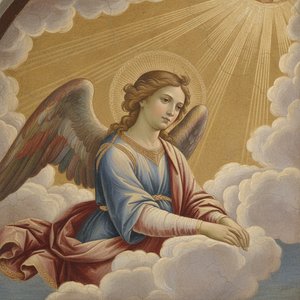
Divine Light: Exploring the Ethereal Masterpieces and Spiritual Luminosity of Fra Angelico
Embark on a profound journey through the ethereal masterpieces of Fra Angelico. Discover the spiritual depth, divine light, and technical brilliance of the 'Angelic Painter' in this expert exploration of Early Renaissance devotion and sacred art history.
板上蛋彩画技法与历史意义的全面阐释:光辉表面的阐释
深入探索板上蛋彩画的起源、技法与历史意义。从古埃及到文艺复兴,揭秘其独特的材料工艺和艺术魅力。OriginalUniqueArt.com为您提供专业的艺术咨询与定制服务。
Illuminating History: A Comprehensive Exploration of Tempera Painting Techniques & Artistic Legacy
Explore the rich history & techniques of tempera painting! Discover Renaissance masters like Botticelli & Fra Angelico, conservation insights, and the enduring legacy of this captivating art form.