切换至版画销售渠道
 展开全文
展开全文







































 对于任何边长超过 105 厘米(约 41 英寸)的艺术品或复制品,画框将以拆解后的组件形式发货。此方法可确保安全送达并防止运输过程中的损坏。


A Vision of Suffering and Faith: Fra Angelico’s *Flagellation of Christ*
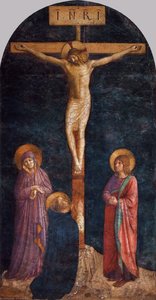
Fra Angelico's *Flagellation of Christ*, housed within the serene walls of Florence’s Museo di San Marco, is not merely a depiction of physical torment; it’s a profound meditation on sacrifice, faith, and divine acceptance. Painted during the Early Renaissance – the Quattrocento – this work exemplifies the era’s burgeoning interest in humanism *and* its unwavering devotion to religious narrative. It stands as a testament to Angelico's unique ability to blend spiritual intensity with emerging artistic innovations.Historical Context & Artistic Innovation
Created around 1440, the painting reflects a pivotal moment in art history. The Quattrocento witnessed a revival of classical ideals alongside a deepening Christian piety. Fra Angelico, as a Dominican friar, embodied this duality. He wasn’t simply illustrating scripture; he was *praying* through paint. The composition demonstrates a clear awareness of contemporary artistic trends, notably drawing inspiration from Masaccio's groundbreaking use of linear perspective in works like the *Holy Trinity*. However, Angelico infuses his scene with a distinctive serenity and delicate color palette that sets it apart.Decoding the Composition & Technique
The fresco depicts the harrowing moment when Jesus is scourged before his crucifixion. Angelico masterfully arranges the figures within a carefully constructed pyramidal composition – a hallmark of Renaissance design – lending stability and focus to the scene. The architecture, rendered with precise linear perspective, creates a believable spatial depth, drawing the viewer into the unfolding drama.- Fresco Technique: Executed in fresco, the painting’s pigments were applied directly onto wet plaster, resulting in a matte finish and remarkable durability.
- Color Palette: The restrained yet luminous color palette – dominated by ochres, reds, and blues – contributes to the work's solemn atmosphere.
- Figure Placement: The positioning of the figures isn’t chaotic; it is deliberate, guiding our eye towards Christ as the central focal point.
Symbolism & Spiritual Resonance
Beyond its literal depiction, *The Flagellation* is rich in symbolic meaning.- Christ’s Nudity: His exposed body symbolizes vulnerability and innocence, emphasizing the injustice of his suffering.
- The Roman Soldiers: Represent earthly power and brutality, contrasting sharply with Christ's divine grace.
- Architectural Setting: The classical architecture alludes to both the Roman world responsible for Christ’s persecution *and* a sense of timelessness, suggesting the universality of his sacrifice.
Emotional Impact & Lasting Legacy
*The Flagellation of Christ* evokes a sense of quiet contemplation rather than overt anguish. Angelico achieves this through his delicate brushwork, harmonious colors, and the dignified composure of the figures. The scene is deeply moving not because of its graphic depiction of violence, but because of its profound expression of faith and sacrifice. The painting’s influence extends far beyond the Renaissance. It has inspired generations of artists, including those associated with the Pre-Raphaelite and Symbolist movements, who admired its emotional intensity and symbolic depth. Today, it continues to captivate viewers with its timeless beauty and spiritual power – a testament to Fra Angelico's enduring genius.常见问题与解答
建议将 安吉利科 的《Flagellation》 悬挂在哪个空间?
安吉利科 的《Flagellation》 推荐陈列于 Living Room。此建议是基于作品的主题、色彩与意境而定。
安吉利科 是否还有其他别名或曾用名?
安吉利科 也被称为 弗拉·安吉利科, 乔瓦尼·达·菲耶索莱, 安吉利可修士, 本笃安吉利可。
"Flagellation" 是否属于公有领域作品?
安吉利科 的《Flagellation》 的版权说明:该作品属于 属于公有领域 —— 其版权已过期。这决定了是否可以自由进行图像复制。
 分享
分享 分享
分享
 详情
详情 指南
指南

 下载作品
下载作品
 相似作品
相似作品 幻灯片播放
幻灯片播放 问答
问答 统计数据
统计数据