切换至版画销售渠道
 展开全文
展开全文







































 对于任何边长超过 105 厘米(约 41 英寸)的艺术品或复制品,画框将以拆解后的组件形式发货。此方法可确保安全送达并防止运输过程中的损坏。


A Vision of Redemption: Fra Angelico’s “Christ in Limbo”
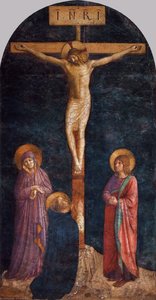
The fresco "Christ in Limbo," executed by Fra Angelico between 1442 and 1443, stands as a testament to the profound spiritual artistry of the Early Renaissance. Located within the San Marco Museum in Florence, Italy – a repository for masterpieces of Florentine art – this monumental work transcends mere visual representation; it embodies an enduring meditation on faith, hope, and divine compassion. Its serene beauty continues to captivate viewers centuries later, offering a glimpse into the artistic sensibilities of its time and resonating with universal themes of solace and spiritual yearning.Style and Technique: Fresco Brilliance
Fra Angelico’s mastery lies in his masterful application of fresco technique – a method where pigment is applied directly onto freshly plastered walls or ceilings. This painstaking process ensured exceptional durability and vibrancy, allowing the colors to retain their luminosity for generations. The artist employed meticulous detail, capturing subtle nuances of light and shadow to create an illusionistic depth that elevates the scene beyond a simple depiction. Observe how Angelico skillfully utilizes perspective—a revolutionary concept during his era—to convey spatial realism within the confines of the chapel’s architectural framework. This careful attention to craftsmanship speaks volumes about the artist's dedication to achieving both aesthetic perfection and conveying profound spiritual truth.Historical Context: Dante Alighieri’s Influence
“Christ in Limbo” emerged from a period marked by intellectual ferment and artistic innovation, fueled largely by the rediscovery of classical texts and humanist ideals. Notably, Fra Angelico was deeply influenced by Dante Alighieri's “Divine Comedy,” specifically Virgil’s journey through Hell and Paradise. The fresco reflects Dante’s depiction of purgatory – a realm awaiting souls destined for salvation—where Christ intervenes to liberate Mary Magdalene from its torment. This biblical allusion underscores the painting’s overarching message: divine grace offers redemption even in the face of suffering and despair.Symbolism: Gesture, Light, and Spiritual Dialogue
The composition itself is laden with symbolic significance. At its core lies Christ's outstretched hand reaching towards Mary Magdalene, a gesture conveying compassion and forgiveness. This visual motif embodies the Christian belief that God’s love transcends earthly limitations and offers solace to all who seek it. The diffused light emanating from Christ illuminates Mary Magdalene’s figure, symbolizing divine illumination and spiritual purification. Furthermore, the surrounding figures—representing souls awaiting judgment—represent humanity's yearning for transcendence and eternal life. Their contemplative postures underscore the painting’s solemn atmosphere and invite viewers to contemplate the mysteries of faith.Emotional Impact: Tranquility and Reverence
“Christ in Limbo” possesses an unparalleled ability to evoke feelings of tranquility, reverence, and spiritual contemplation. Its harmonious palette—dominated by muted blues and golds—creates a sense of serenity that draws the eye inward. The artist’s meticulous rendering of human anatomy conveys both grace and dignity, reflecting the humanist ideals prevalent during the Renaissance. Ultimately, this fresco serves as an enduring reminder of humanity's capacity for compassion and faith – qualities that continue to inspire awe and wonder in audiences worldwide. Its timeless beauty ensures its place among the most cherished treasures of Florentine art history.常见问题与解答
“Christ in Limbo”背后的艺术家与艺术风格是哪些?
安吉利科 在 Early Renaissance 运动时期创作了《Christ in Limbo》。
我可以使用增强现实技术在我的房间里预览 安吉利科 的《Christ in Limbo》 吗?
通过兼容设备访问 安吉利科 的《Christ in Limbo》 的 AR 效果预览 页面,即可利用增强现实技术将艺术品呈现在您自己的空间中。
在安吉利科反复探讨的主题中,"Christ in Limbo"处于怎样的地位?
在安吉利科已记录的主题——medieval tradition, divine grace, penitence, spiritual hope, monastery art——之中,"Christ in Limbo" 则将焦点转向了limbo, mary magdalene, fresco, spirituality, redemption, angels, byzantine art。
 实景预览
实景预览
 分享
分享 分享
分享
 详情
详情 指南
指南

 下载作品
下载作品
 相似作品
相似作品 X射线
X射线 幻灯片播放
幻灯片播放 问答
问答 统计数据
统计数据