 切换至版画销售渠道
 展开全文
展开全文







































 对于任何边长超过 105 厘米(约 41 英寸)的艺术品或复制品,画框将以拆解后的组件形式发货。此方法可确保安全送达并防止运输过程中的损坏。


A Divine Encounter: Exploring Fra Angelico’s Annunciation
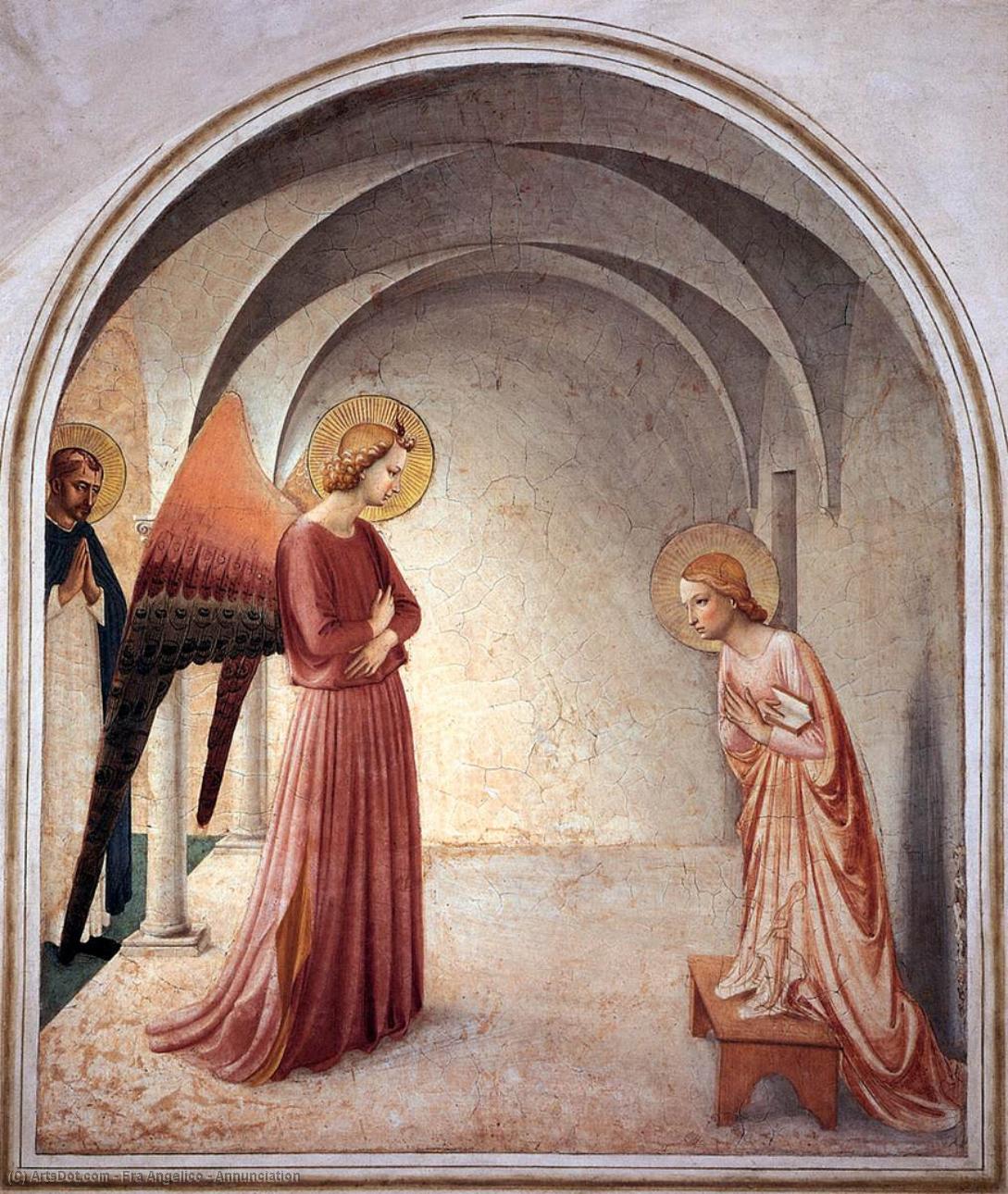
Fra Angelico's *Annunciation*, created around 1442, is a breathtaking fresco that embodies the spiritual and artistic ideals of the Early Renaissance. Housed within the serene confines of the Convent of San Marco in Florence, Italy, this masterpiece continues to captivate viewers with its delicate beauty and profound religious narrative.Historical Context & Artistic Lineage
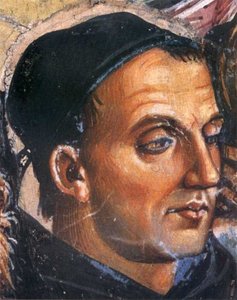
Fra Angelico (born Guido di Pietro) was not merely a painter; he was a Dominican friar whose devotion permeated every brushstroke. His work flourished during a pivotal period in art history, marking the transition from the stylized elegance of Gothic painting to the burgeoning realism and humanism of the Renaissance. Commissioned by Cosimo de' Medici as part of a larger decorative scheme for San Marco, *The Annunciation* reflects the patronage and intellectual climate of Florence under the Medici family. Angelico’s style is uniquely characterized by its luminosity, graceful figures, and meticulous attention to detail – qualities that earned him the moniker “the Angelic Painter.”Composition & Technique: A Renaissance Innovation
This fresco departs from traditional depictions of the Annunciation, which often confined the scene indoors. Fra Angelico boldly sets the encounter within an outdoor cloister, utilizing architectural elements—Roman arches and slender columns—to frame the sacred moment. The angel Gabriel, resplendent in pink and gold robes with vibrantly colored wings, approaches Mary with a gesture of reverence. Mary, draped in a serene blue symbolizing purity and royalty, responds with humble acceptance. The fresco technique itself – applying pigment to wet plaster – contributes to the work’s enduring vibrancy and subtle textures. The composition is masterfully balanced, creating a sense of harmony and spatial depth that was revolutionary for its time.Symbolism & Spiritual Resonance
*The Annunciation* is rich in symbolic meaning. The Hortus Conclusus, or walled garden visible through the cloister’s opening, represents Mary's virginity and innocence – a protected space untouched by the outside world. The inscription at the base of the fresco serves as a devotional reminder for viewers to offer prayers before this sacred image: “Virginis Intacte Cvm Veneris Ante Figvram Preterevndo Cave Ne Sileatvr Ave,” urging contemplation and reverence. The colors themselves carry significance; blue representing Mary’s celestial status, gold symbolizing divine light, and pink signifying grace and compassion.Emotional Impact & Lasting Legacy
Beyond its technical brilliance and symbolic depth, *The Annunciation* evokes a profound sense of peace, reverence, and spiritual contemplation. The serene expressions on the faces of Gabriel and Mary convey not just the announcement of a miraculous event, but also the acceptance of divine will. This work exemplifies Fra Angelico’s ability to translate theological concepts into visually stunning and emotionally resonant imagery.Key Features for Collectors & Designers
- Style: Early Renaissance, characterized by delicate lines, realistic figures, and a harmonious composition.
- Color Palette: Dominantly blues, golds, pinks, and creams – creating a serene and uplifting atmosphere.
- Subject Matter: A pivotal moment in Christian theology, offering timeless spiritual significance.
- Ideal for: Creating contemplative spaces, adding a touch of Renaissance elegance to interiors, or as a focal point in devotional settings.
- Dimensions: 176 x 148 cm – a substantial size that commands attention without overwhelming the space.
常见问题与解答
安吉利科 是否还有其他别名或曾用名?
安吉利科 也被称为 弗拉·安吉利科, 乔瓦尼·达·菲耶索莱, 安吉利可修士, 本笃安吉利可。
建议将 "Annunciation" 的 Portrait 格式作品陈列在什么位置?
关于 安吉利科 的《Annunciation》,记录了其规格 (Portrait) 与建议摆放空间 (Living Room) 这两项陈列信息。
安吉利科 的《Annunciation》 的创作媒介是什么?
安吉利科 的《Annunciation》 的媒介为 Fresco。复制品旨在呈现该技法的视觉效果。
 分享
分享 分享
分享
 详情
详情 指南
指南

 下载作品
下载作品
 相似作品
相似作品 幻灯片播放
幻灯片播放 Q&A
Q&A 统计数据
统计数据