

 效果预览
效果预览
 购买印刷品
购买印刷品 分享
分享 分享
分享
 详情
详情

 下载
下载
 相似作品
相似作品 X射线
X射线 幻灯片播放
幻灯片播放Annunciation (8)
 Acrylic On Canvas
- WallArt
- Renaissance Early
 1437
1437 64.0 x 23.0 cm
 弗里克收藏馆
 展开详情
展开详情




P118B $10

P118H $10

P118W $10

P438Z $10

P508JH $12

P508YH $12

P805H $10

P805Z $10

P919BZ $10

P919G $10

P919XJ $10

P959ZH $10

P968JZ $12

W106C $8

W218G $10

W218JH $8

W218Y $10

W307PJ $10

W316G $10

W316PJ $8

W316Y $10

W398PJ $8

W4111J $10

W500HY $15

W500JH $15

W692G $12

W849H $8

W940BG $15

W953PJ $8




从与原作比例一致的预设尺寸中进行选择。

您可以输入自定义尺寸,以适配特定的画框或空间。如果所选尺寸与原图比例不符,我们将通过裁剪作品或添加手绘元素来扩展画面。数字样稿将在制作开始前发送给您确认。
请注意,屏幕预览无法准确反映实际的裁剪或扩展效果,只有样稿才能真实呈现最终的构图。
虽然我们提供定制尺寸服务,但为了保留原作比例,建议您从预设列表中选择尺寸。
下单后,OriginalUniqueArt.com 团队将通过电子邮件联系客户获取具体要求,并提供效果预览图。


 玻璃选项仅适用于110厘米以下的尺寸。

Annunciation (8)
复制材质
复制品尺寸
-


最终总价
$ 300
作品详情
Filippo Lippi’s Annunciation: A Renaissance Revelation
The Annunciation, painted by Filippo Lippi around 1449-1459, is more than just a depiction of a pivotal biblical moment; it's a window into the burgeoning artistic and spiritual landscape of early Renaissance Florence. This tempera on panel masterpiece, now residing in the National Gallery in London, pulsates with a quiet intensity—a testament to Lippi’s unique approach to religious painting and his deeply personal vision. Initially conceived as part of a larger altarpiece intended for the chapel of the Medici palace in Prato, it retains an exquisite intimacy and emotional resonance that transcends its origins.
Lippi's artistic journey is inextricably linked to the legacy of Masaccio, whose innovative use of perspective and naturalism profoundly influenced his early work. The painting immediately echoes this influence—particularly in the subtly modeled forms of Mary and Gabriel, rendered with a delicate realism that was revolutionary for its time. However, Lippi swiftly developed his own distinctive style, characterized by a luminous palette, graceful figures, and an emphasis on serene contemplation. Unlike many of his contemporaries who favored dramatic gestures and elaborate compositions, Lippi’s Annunciation unfolds with a measured elegance, inviting the viewer to share in the quiet miracle unfolding before them.
A Symphony of Light and Color
The painting's visual impact is immediately striking due to Lippi’s masterful manipulation of light. He employs a technique known as “sfumato,” blurring the edges of forms and creating an atmospheric haze that softens the scene and imbues it with a sense of ethereal beauty. The colors are rich and harmonious—a blend of deep blues, vibrant reds, and delicate golds—that evoke both the sacredness of the event and the warmth of human emotion. Note particularly the luminous glow surrounding Mary’s face, suggesting her receptivity to divine grace. The background is rendered with a subtle depth, creating an illusion of space that draws the viewer into the intimate setting.
Lippi's use of gold leaf—particularly in the depiction of the dove and the halo around Mary—adds further luminosity and emphasizes the spiritual significance of the scene. The careful layering of paint creates a remarkable sense of texture, inviting close inspection and revealing the artist’s meticulous attention to detail. The composition itself is carefully balanced, with Gabriel positioned slightly off-center, drawing the eye towards Mary and the central moment of revelation.
Symbolism and Spiritual Depth
Beyond its technical brilliance, the Annunciation is rich in symbolic meaning. The dove, representing the Holy Spirit, descends from heaven to announce Mary’s impending motherhood—a pivotal event in Christian theology. Gabriel's gesture of presenting the lily—a symbol of purity and innocence—underscores Mary’s virtue. The architectural setting, though simplified, suggests a domestic space—emphasizing the personal nature of this divine encounter. The inclusion of God’s hand at the top of the lunette is a subtle but powerful reminder of his active role in the unfolding drama.
Lippi's decision to depict Mary not as a passive recipient of grace, but as an intelligent and receptive figure—her face filled with wonder and contemplation—is particularly noteworthy. This portrayal reflects a shift in Renaissance art towards a more humanistic understanding of religious subjects, emphasizing the emotional and spiritual experience of faith. The painting speaks to the profound mystery of divine intervention and the transformative power of belief.
A Legacy of Beauty and Innovation
The Annunciation stands as a cornerstone of Lippi’s oeuvre and a significant work within the broader context of Renaissance art. Its influence can be seen in the works of subsequent generations of painters, who continued to draw inspiration from its luminous palette, graceful figures, and profound emotional depth. Today, it remains a captivating masterpiece—a testament to Filippo Lippi's artistic genius and his enduring contribution to the history of Western art. Reproductions capture only a fraction of the original’s power; experiencing this painting in person is an unforgettable encounter with beauty, spirituality, and the transformative spirit of the Renaissance.
艺术家简介
佛罗伦萨的叛逆者:菲利波·利皮的生平和艺术
菲利波·迪·托马索·利皮,世称弗拉·菲利波·利皮,是一位才华横溢却又充满争议和非凡选择的人生人物。他于1406年出生在佛罗伦萨的一个屠夫家庭,早年生活不幸;两岁时便成为孤儿,被委托给他的姑姑莫娜·拉帕恰照顾。这种安排最终将他带到了卡尔梅利特修道院——这条道路不仅塑造了他的艺术发展,也定义了他性格的复杂性。正是在这些隐蔽的墙壁内,年轻的菲利波开始了正规教育,更关键的是,发现了对绘画的热情。他的作品中弥漫着这种环境的影响;一种精神虔诚和日益增长的人文主义感官之间的微妙平衡。从宗教誓愿到艺术创新
1420年利皮进入卡尔梅利特修道会并非偶然,似乎点燃了他强烈的艺术冲动。他十六岁时宣誓,大约在1425年被任命为神父,一直留在修道院直到1432年。在此期间,艺术史学家乔治·瓦萨里记载了利皮对马萨乔在布兰卡奇教堂创作的开创性壁画着迷——这次相遇证明是关键性的。马萨乔自然主义和创新光线使用的影响清晰可见于利皮的早期作品,例如《塔奎尼亚圣母》,其中一种新的现实主义开始出现。然而,利皮并非简单的模仿者;他很快发展出自己独特的风格,其特点是抒情的优雅、精致的色彩以及微妙的情感深度,使他与同时代的人区分开来。他开始将宗教场景注入一种亲密感和人际联系,摆脱了早期虔诚艺术中更为僵化的形式。构图大师与争议
利皮的艺术生涯在佛罗伦萨蓬勃发展,吸引了像美第奇家族这样的著名家庭委托作品。《圣母领报与七位圣徒》展示了他创造充满象征意义和优雅细节的复杂构图的能力。1441年为桑特·安布罗吉奥修道院的尼姑们完成的《加冕圣母》尤其值得注意;它的人物形象被许多人认为是利皮自己的肖像——在一个宗教背景下大胆地宣示了艺术身份。但他的生活远非平静。他经常陷入财务困境、法律纠纷和伪造指控。也许最轰动的一集涉及他绑架普拉托的卢克蕾齐亚·布蒂修女,他们最终结婚多年后,引发了争议。虽然当时这一行为令人震惊,但它表明利皮的反叛精神以及他在追求个人幸福时敢于挑战社会规范的意愿。遗产与影响
尽管生活动荡不安,菲利波·利皮在文艺复兴艺术上留下了不可磨灭的印记。他是一位备受追捧的画家,他的工作室成为未来大师的摇篮。在他的著名学生中包括桑德罗·波提切利和弗朗切斯科·迪·佩塞洛(佩塞利诺),他们都在各自的领域取得了显著成就。利皮的影响体现在文艺复兴后期佛罗伦萨绘画中普遍存在的抒情美感和情感表现力。他弥合了马萨乔早期文艺复兴自然主义与更高文艺复兴更精致的美学之间的差距,为新一代艺术家探索人类形态和情感的可能性铺平了道路。他将宗教虔诚与世俗现实相结合的能力,加上他创新的构图和精湛的技巧,巩固了他作为意大利文艺复兴时期最重要和最具吸引力的人物之一的地位。他在1469年去世于斯波莱托,留下了一份遗产,几个世纪以来继续激励着人们的敬畏和钦佩。他的艺术仍然是人类创造力的力量和美丽持久魅力的证明。主要作品
- 塔奎尼亚圣母 (Tarquinia Madonna): 利皮早期现实主义风格的代表作,展现了对马萨乔的影响。
- 圣母领报与七位圣徒 (The Annunciation and the Seven Saints): 复杂的构图和象征意义的典范。
- 加冕圣母 (Coronation of the Virgin): 一幅具有重要意义的作品,其中包含被认为是利皮自画像的人物形象。
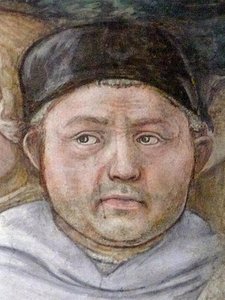
菲利波·利皮
1406 - 1469 , 意大利
艺术家简介
- 代表作品:
- 塔奎尼亚圣母
- 报喜
- 加冕礼
- 出生地: 意大利佛罗伦萨
- 出生日期: 1406年
- 受此画家影响的艺术家: ['桑德罗·波提切利']
- 国籍: 意大利
- 姓名: 菲利波·迪·托马索·里皮
- 影响此画家的艺术家: ['马萨乔']
- 艺术运动或风格: 早期文艺复兴
- 逝世日期: 1469年
相关文章
The Fresco as Family Legacy: Preserving Heritage Through Wall Art
Explore the rich history & enduring legacy of fresco painting. Discover how to preserve family heritage through stunning wall art. Expert insights & restoration guidance.

Celestial Messengers: Angels in Painting – A Historical & Artistic Exploration
Explore the captivating history of angels in painting! Discover symbolism, iconic Renaissance & Byzantine masterpieces, and renowned artists. Expert insights for art lovers & collectors at OriginalUniqueArt.

The Enduring Legacy of Fresco: Technique, History & Artistic Expression Across Cultures
Explore the rich history & enduring legacy of fresco painting! Discover ancient techniques, Giotto's masterpieces, and modern applications. Expert insights for art lovers & professionals.
The Enduring Legacy of Fresco Painting: Techniques, History & Contemporary Relevance
Explore the rich history & enduring artistry of fresco painting – from Giotto to Michelangelo! Discover techniques, conservation efforts, & modern applications. Learn how OriginalUniqueArt brings this timeless art form to your home.

Celestial Messengers: A Comprehensive Exploration of Angelic Representation in Art History
Explore the captivating history of angels in art! Discover symbolism, iconic Renaissance masterpieces & renowned artists. Expert insights for art lovers & collectors at OriginalUniqueArt.



