

 实景预览
实景预览
 发送
发送 分享
分享
 详情
详情 指南
指南

 下载图片
下载图片
 相似作品
相似作品 X射线
X射线 幻灯片播放
幻灯片播放 统计数据
统计数据Leo


 阅读全文
阅读全文
艺术微喷/版画
博物馆级艺术微喷或帆布版画,制作高效,并提供多种饰面选择。 ( 订购此收藏品的纯手工复刻画作 切换至数字图像销售渠道)




P118B ¥10

P118H ¥10

P118W ¥10

P438Z ¥10

P508JH ¥12

P508YH ¥12

P805H ¥10

P805Z ¥10

P919BZ ¥10

P919G ¥10

P919XJ ¥10

P959ZH ¥10

P968JZ ¥12

W106C ¥8

W218G ¥10

W218JH ¥8

W218Y ¥10

W307PJ ¥10

W316G ¥10

W316PJ ¥8

W316Y ¥10

W398PJ ¥8

W4111J ¥10

W500HY ¥15

W500JH ¥15

W692G ¥12

W849H ¥8

W940BG ¥15

W953PJ ¥8




您可以从与原作比例一致的预设尺寸中进行选择。

请输入您所需的宽度和高度,以适配您的画框或墙面。由于印刷品只能进行裁剪,无法超出原图尺寸,因此若比例不一致,画面的一部分将会被裁切。在正式印刷之前,我们会为您发送一份数字效果图供您确认。本页面显示的图片并非最终裁剪后的效果——只有效果图才能展示真实的裁剪情况。


 玻璃选项仅适用于110厘米以下的尺寸。

Leo
艺术微喷/版画
复刻品尺寸说明
-


总计金额
¥ 538
Fernando Gallego’s “The Sky of Salamanca”: A Celestial Tapestry
Within the hallowed halls of the University of Salamanca resides a masterpiece of late 15th-century Spanish art – Fernando Gallego's "El Cielo de Salamanca," or “The Sky of Salamanca.” More than just a decorative ceiling, this vast mural is an ambitious cosmological depiction, a testament to the burgeoning scientific curiosity and artistic skill of its time. Commissioned around 1480 during a period of intense intellectual exchange between Europe and Spain, the painting transcends mere ornamentation; it’s a vibrant synthesis of religious symbolism, classical learning, and nascent astronomical observation.
Gallego, a master painter working within the influential Hispano-Flemish style, skillfully blended Northern European realism with the established traditions of Spanish art. He was deeply influenced by the meticulous detail and illusionistic techniques characteristic of Flemish artists like Rogier van der Weyden, yet he infused his work with a distinctly Iberian sensibility – a richness in color, a dramatic use of light, and an emphasis on narrative clarity. The sheer scale of “The Sky of Salamanca” – spanning approximately 130 square meters – demanded a masterful command of perspective and composition, showcasing Gallego’s technical prowess.
A Window into Renaissance Astronomy
“El Cielo de Salamanca” isn't simply a depiction of the night sky; it’s an attempt to represent the cosmos as understood by scholars during the late 15th century. Based on Ptolemy’s “Almagest,” a foundational text in astronomy, the mural charts 48 constellations and the known planets – Sun, Moon, Mercury, Venus, Mars, Jupiter, and Saturn. Gallego meticulously rendered each celestial body, imbuing them with symbolic significance rooted in classical mythology and religious iconography. The figures are not merely astronomical objects; they’re presented as characters within a grand narrative of creation and divine order.
Notably, the painting reflects the prevailing belief that planets were not distant spheres but rather inhabited by gods and spirits. This perspective is evident in the depiction of Mars as a warrior figure, Jupiter as a regal king, and Venus as an angelic being. The artist’s attention to detail extends beyond the constellations themselves; he incorporates elements like the Milky Way, rendered with shimmering gold leaf, further enhancing the illusion of depth and grandeur.
Symbolism and Narrative
Beyond its astronomical accuracy, “El Cielo de Salamanca” is rich in symbolic meaning. The central figure, Christ, is positioned at the heart of the cosmos, symbolizing divine authority and the foundation of all creation. Surrounding him are figures from Christian mythology – St. Andrew, St. Peter, and St. Bartholomew – reinforcing the painting’s religious message. The inclusion of classical deities like Apollo and Hercules further underscores the synthesis of ancient and Christian thought that characterized Renaissance learning.
The mural's narrative unfolds through a series of interconnected scenes, depicting key moments in the biblical story from creation to the Last Judgment. This didactic purpose – intended to educate viewers about both religious doctrine and astronomical knowledge – is characteristic of many altarpieces commissioned during this period. The meticulous detail with which Gallego portrays each figure and scene speaks volumes about his artistic skill and dedication.
A Legacy in Paint
Despite its grandeur, “El Cielo de Salamanca” suffered significant damage over the centuries due to a fire in 1869 that destroyed much of the University’s library. Only approximately one-third of the original mural remains intact today. However, the surviving fragments offer an extraordinary glimpse into the artistic and intellectual world of 15th-century Spain. Restoration efforts continue to unveil more of this remarkable masterpiece, allowing us to appreciate Gallego's vision and his pivotal role in shaping the visual landscape of the University of Salamanca.
Reproductions of “El Cielo de Salamanca” provide a stunning opportunity to bring this celestial tapestry into your home or office. Whether you seek an evocative piece for a study, a grand statement for a living room, or simply a beautiful reminder of the wonders of the universe, a high-quality reproduction captures the essence and majesty of Gallego’s extraordinary creation.
问答详情
费尔南多·加列戈 的《Leo》 描绘了怎样的场景,又传达了怎样的意境?
"Leo" 展示了 lion, stars, figures, mural, composition, celestial, iberian,其传达的情绪为 Calm。
哪里可以买到 费尔南多·加列戈 的《Leo》 的版画?
若想订购 费尔南多·加列戈 的《Leo》 的版画,只需前往其 艺术版画 页面进行订购即可:采用棉质帆布或档案级画布纸制作的艺术版画。
有多少人在浏览“Leo”?
费尔南多·加列戈 的《Leo》 的 统计数据 页面展示了公开访问统计数据:该作品的每月访问量、与艺术家最受关注作品的对比,以及访客的来源地。
艺术家简介
费尔南多·加列戈:西斯帕诺-弗拉芒风格的大师
费尔南多·加列戈(Fernando Gallego),这个名字虽常笼罩在神秘的迷雾之中,却在西班牙艺术史上留下了深远的余韵。作为一位活跃于15世纪末至16世纪初的卡斯蒂利亚画家,他的生命跨越了一个艺术转型的关键时代——那是北欧写实主义与蓬勃兴起的意大利文艺复兴理想交汇的时刻。他大约出生于1440年的萨拉曼卡,并于1s507年之前不幸逝世。加列戈留给世人的遗产并非由那些宏大而孤立的杰作所定义,而是源于他极其丰产的创作,尤其是那些制作精良的宗教画板、祭坛画及圣像壁(retablos)。这些作品为我们洞察那个时代的视觉文化提供了无与伦比的窗口。尽管确凿的生平细节依然匮乏,但通过作品的归属研究与历史文献的梳理,我们可以勾勒出这样一位艺术家的动人画像:他深受弗拉芒绘画,尤其是罗吉尔·范德魏登(Rogier van der Weyden)作品的影响,却又深深植根于西班牙本土的艺术传统之中。早年生活与艺术训练——迷雾中的探索
费尔南多·加列戈艺术训练的确切起源至今仍是一个谜题,这一特征长期以来令艺术史学家着迷。尽管有推测将其与萨拉曼卡及其他地区的画坊联系起来,但具体的证据却极其有限。他很可能在卡斯蒂利亚与埃斯特雷马杜拉这两个充满活力的艺术环境中开启了他的职业生涯,这些地区在当时以丰厚的宗教赞助而闻名。主流理论认为,他的风格与弗拉芒绘画有着强烈的纽带,特别是那种对形体的自然主义处理以及技术上的精湛掌控,这在范德魏登的作品中清晰可见——这种风格以细腻的细节、深沉的情感共鸣以及对光影的高超运用为特征。早期尼德兰绘画那生动的错觉主义与复杂的图像学,深刻影响了加列戈在构图与人物刻画上的手法。虽然尚未得到证实,但人们普遍相信他可能曾在弗拉兰进行过学习。有趣的是,归属于他的作品往往与弗朗西斯科·加列戈(Francisco Gallego)呈现出风格上的相似性,后者极有可能是他在画坊中的助手——这种关系为理解加列戈艺术发展的轨迹增添了另一层复杂性。辉煌的职业生涯:祭坛画与圣像壁
加列戈的职业生涯很大程度上致力于创作那些旨在嵌入大型祭坛画或圣像壁中的小型画板。在15世纪的西班牙,这些虔诚的宗教作品是宗教生活的核心,它们在教堂与小礼拜堂中既是崇拜的焦点,也是视觉叙事的载体。加列戈的才华不仅体现在其精湛的技术层面——如细腻的油彩涂抹、精准的衣褶刻画以及写实的人物塑造——更在于他能够为这些场景注入一种触手可及的戏剧感与情感强度。他频繁描绘圣经故事、圣徒传记以及基督教历史中的经典片段,并在写实主义与象征性表达之间维持着一种精心编排的平衡。一个尤为显著的例子是《锡卢德罗的圣像壁》(Retablo of Ciudad Rodrigo),这是一件与大师巴托洛梅(Master Bartolomé)合作完成的宏伟作品,充分展示了加列戈对细节的极致追求,以及他在单一画板中整合多重叙事的能力。这一项目的规模本身就是当时宗教艺术重要性的明证,也彰显了加列戈作为卡斯蒂利亚领先艺术家的地位。传世名作与艺术技法
在加列戈幸存的作品中,有几件作品因其艺术价值和历史意义而脱颖而出。收藏于盖蒂博物馆的《天主教国王的圣母》(Madonna of the Catholic Kings),完美诠释了他对色彩、光影与构图的大师级运用,创造出了一幅令人动容的圣母与圣婴像。而装饰在萨拉曼卡大学天花板上的宏大壁画《阿拉》(Ara/Sky of Salamanca),则代表了一项卓越的成就——这项宏伟工程展示了加丽戈的雄心与技术实力。这幅描绘天文场景与星座的湿壁画,展现了他将复杂的科学概念转化为引人入胜的视觉图像的能力。在技法上,加列戈主要采用木板油画,但在早期作品中也曾使用蛋彩画。他那细致入微的观察力,结合对透视法和空间关系的深刻理解,赋予了他的绘画一种惊人的写实感与生命力。他以通过精心的个体化刻画来塑造场景中的人物而闻名,在展示技术造诣的同时,极大地增强了作品的戏剧张力。遗产与历史意义
尽管关于加列戈生平的文献记载有限,但他对西班牙艺术的影响却是举足轻重的。他代表了连接15世纪西班牙早期弗拉芒影响与随后主导艺术格局的文艺复兴风格之间的一条关键纽带。他的作品为我们研究那个时代的宗教信仰、社会习俗及艺术实践提供了宝贵的视角。虽然在与那些更负盛名的同时代艺术家相比时,他有时会被掩盖光芒,但加列戈对西班牙绘画发展的贡献是无可置疑的。通过对其圣像壁和画板的持续研究,我们得以窥见15世纪西班牙虔诚的精神世界,揭示了关于宗教图像学、艺术技法以及那些赞助并瞻仰这些震撼人心之作的人们生活的丰富信息。他的遗产通过其绘画中蕴含的美感与情感共鸣而永存,提醒着我们:视觉叙事拥有跨越世纪、连接心灵的持久力量。
费尔南多·加列戈
1440 - 1507 , 西班牙
快速概览
- 全名: 费尔南多·加列戈 (Fernando Gallego)
- 出生地: 西班牙,萨拉曼卡
- 出生日期: 约 1440 年,萨拉曼卡
- 国籍: 卡斯蒂利亚
- 影响该艺术家的艺术家: ['罗希尔·范德魏登 (Rogier van der Weyden)']
- 艺术运动或风格: 西凡兰德风格 (Hispano-Flemish)
- 著名作品:
- 萨拉曼卡之空 (Sky of Salamanca)
- 希乌达德罗德里戈祭坛画 (Retablo of Ciudad Rodrigo)
- 圣殇 (盖蒂博物馆)
- 逝世日期: 1507 年,萨拉曼卡
相关文章

纽约MoMA博物馆必赏25幅杰作:艺术史上的璀璨星河 | OriginalUniqueArt
探索纽约MoMA博物馆25幅经典杰作!从梵高的《星夜》到毕加索的立体主义,感受艺术史上的震撼与灵感。OriginalUniqueArt.com提供高清艺术复制品和定制装饰画,将大师作品带入您的家。立即发现更多名画!

George Stubbs: Anatomical Precision & Romantic Vision in 18th-Century British Art
Explore the captivating world of George Stubbs, the 18th-century master renowned for his anatomical precision & Romantic animal paintings. Discover his legacy and investment potential.
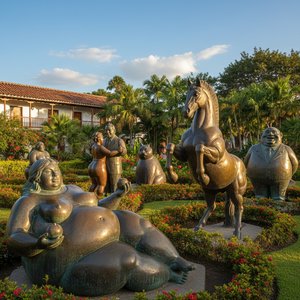
Fernando Botero: Celebrating Volume, Form & Colombian Identity
Explore the captivating world of Fernando Botero! Discover his iconic 'Boterismo' style, Colombian influences, investment potential & lasting legacy. Expert insights for art collectors.

后印象主义十大名作:重塑艺术,点亮生活美学
探索后印象主义的十部杰作,从梵高的星空到高更的塔希提风情。了解艺术大师背后的故事与技法,感受色彩与光线的魅力。OriginalUniqueArt.com为您提供博物馆品质的画作复制和精选家居装饰方案,点亮您的生活美学!

Majestic Lions: Capturing the Power and Soul of the King of Beasts through Art History
Explore the majesty of the King of Beasts through art history. From Baroque drama to Romantic realism, discover how master painters capture the power and soul of lions in exquisite oil reproductions and fine art prints for discerning collectors.