
 发送
发送 分享
分享
 详情
详情 指南
指南

 下载图片
下载图片
 相似作品
相似作品 幻灯片播放
幻灯片播放 统计数据
统计数据Ara


 阅读全文
阅读全文
艺术微喷/版画
博物馆级艺术微喷或帆布版画,制作高效,并提供多种饰面选择。 ( 订购此收藏品的纯手工复刻画作 切换至数字图像销售渠道)




































您可以从与原作比例一致的预设尺寸中进行选择。

请输入您所需的宽度和高度,以适配您的画框或墙面。由于印刷品只能进行裁剪,无法超出原图尺寸,因此若比例不一致,画面的一部分将会被裁切。在正式印刷之前,我们会为您发送一份数字效果图供您确认。本页面显示的图片并非最终裁剪后的效果——只有效果图才能展示真实的裁剪情况。


 玻璃选项仅适用于110厘米以下的尺寸。

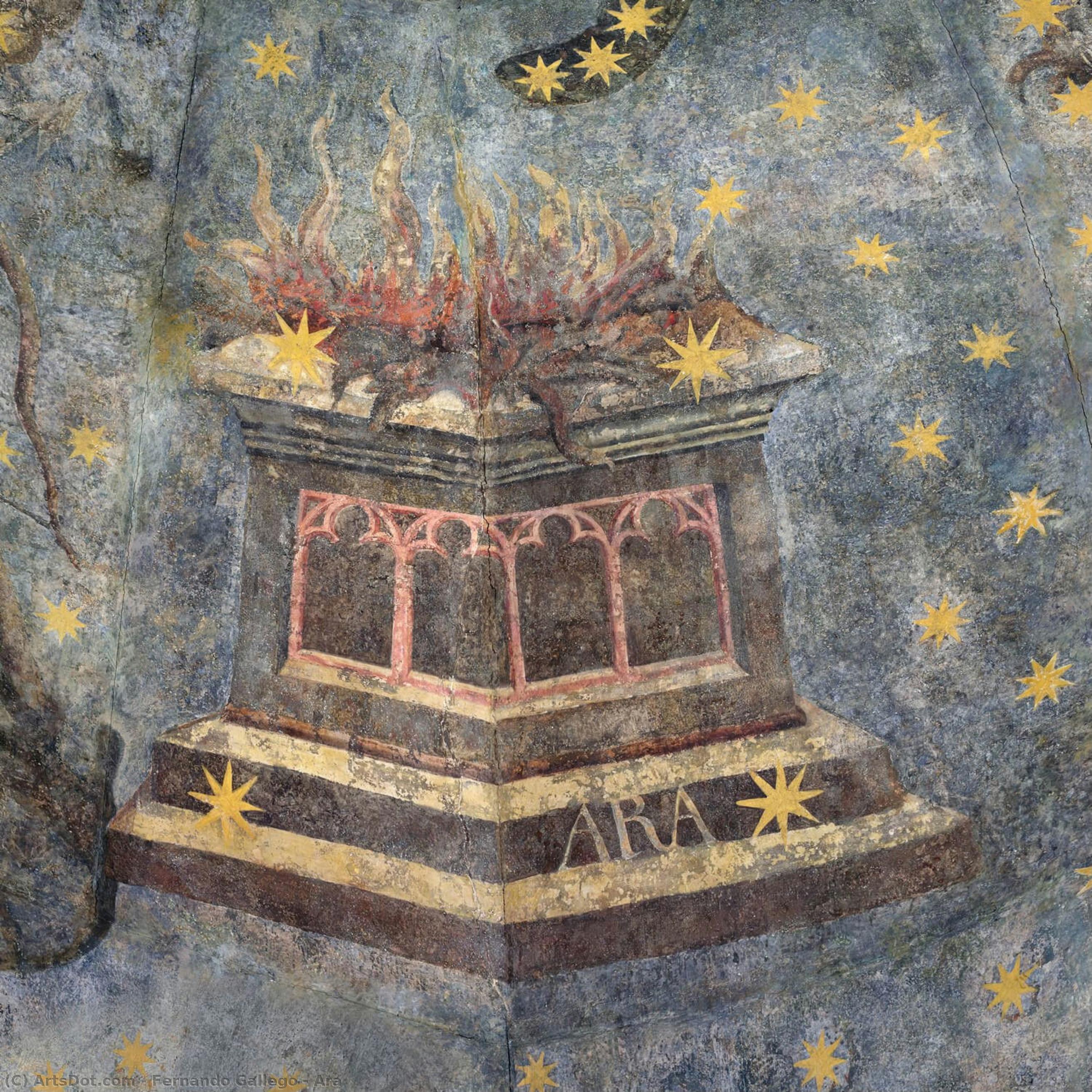
Ara
艺术微喷/版画
复刻品尺寸说明
-


总计金额
¥ 538
The Sky of Salamanca: An Unfolding Narrative
Fernando Gallego’s “Ara,” a fragment rescued from the vast ceiling fresco adorning the Salón de los Pasos Nobles in the University of Salamanca, is more than just a decorative panel; it's a meticulously crafted window into the spiritual and artistic landscape of late 15th-century Spain. The image depicts a dramatic scene – a stone structure, likely a tomb or shrine, dramatically illuminated by an array of golden stars and engulfed in stylized flames. The composition is intensely focused, drawing the eye to the central architectural element and its immediate surroundings, creating a powerful sense of both earthly solidity and celestial grandeur. Gallego’s masterful use of color—muted earth tones punctuated by vibrant reds and golds—evokes the solemnity of Byzantine iconography while subtly incorporating elements of the burgeoning Renaissance realism that was beginning to influence Spanish art.
The fresco's technique is undeniably *fresco*, a method involving applying pigments directly onto wet plaster. This creates an astonishingly durable surface, capable of withstanding centuries of exposure and preserving the delicate details of Gallego’s handiwork. The texture of the wall itself—rough and uneven, bearing the marks of time and weathering—adds a remarkable sense of depth and authenticity to the scene, grounding the fantastical elements in a tangible reality.
Symbolism Woven into Stone
The flames dominating the composition are not merely decorative; they are potent symbols of purification, resurrection, and divine presence. Their stylized forms—angular and dynamic—suggest a fiery energy that transcends the earthly realm, hinting at an afterlife or a connection to the heavens. The golden stars surrounding the structure reinforce this celestial theme, creating a visual dialogue between the mortal world and the cosmos. The architectural element itself, though partially obscured, appears to be a tomb or shrine, further emphasizing the themes of death, rebirth, and eternal life—a common motif in Byzantine art and a reflection of the prevailing religious beliefs of the time.
Beyond these primary symbols, subtle details contribute to the overall narrative. The geometric shapes that define the structure’s edges and decorative elements speak to the influence of Flemish painting, known for its precise lines and meticulous attention to detail. The limited perspective—a deliberate choice by Gallego—creates a sense of intimacy and draws the viewer into the scene, inviting contemplation on the mysteries of faith and mortality.
Fernando Gallego: A Master Bridging Traditions
Born around 1440 in Salamanca and tragically dying sometime before 1507, Fernando Gallego’s life spanned a pivotal era of artistic transition. He was a Castilian painter who skillfully blended the traditions of Northern European realism—particularly Flemish painting—with the established iconography and stylistic conventions of Spanish art. His legacy isn't defined by grand, solitary masterpieces but rather by a prolific output of meticulously crafted religious panels, altarpieces, and retablos that offer invaluable insights into the visual culture of his time. Gallego’s work demonstrates a remarkable ability to synthesize diverse influences, creating a unique artistic voice that is both deeply rooted in Spanish tradition and informed by the innovations of the Renaissance.
Gallego's skill as a painter is evident in his masterful use of color, composition, and technique. He was known for his detailed renderings of religious figures, often imbuing them with a sense of emotional depth and realism that was uncommon at the time. His work reflects a deep understanding of both artistic principles and religious symbolism, making it a valuable resource for art historians and collectors alike.
问答详情
“Ara”传达了怎样的情感?
费尔南多·加列戈 的《Ara》 传达出一种 Melancholic 的情感基调。
“Ara”是如何融入 费尔南多·加列戈 的主题与风格之中的?
在费尔南多·加列戈的作品集中,"Ara" 呈现出Byzantine风格,并贯穿着hispano-flemish style, byzantine iconography, religious purification, death & resurrection, divine presence symbolism, medieval spirituality, castilian religious art, gallego's altarpiece focus的主题。
“Ara”描绘的是什么内容?
"Ara" 的描绘主题为 religious symbolism, ancient imagery, flame motif, celestial art, medieval design, architectural detail, symbolic representation。
艺术家简介
费尔南多·加列戈:西斯帕诺-弗拉芒风格的大师
费尔南多·加列戈(Fernando Gallego),这个名字虽常笼罩在神秘的迷雾之中,却在西班牙艺术史上留下了深远的余韵。作为一位活跃于15世纪末至16世纪初的卡斯蒂利亚画家,他的生命跨越了一个艺术转型的关键时代——那是北欧写实主义与蓬勃兴起的意大利文艺复兴理想交汇的时刻。他大约出生于1440年的萨拉曼卡,并于1s507年之前不幸逝世。加列戈留给世人的遗产并非由那些宏大而孤立的杰作所定义,而是源于他极其丰产的创作,尤其是那些制作精良的宗教画板、祭坛画及圣像壁(retablos)。这些作品为我们洞察那个时代的视觉文化提供了无与伦比的窗口。尽管确凿的生平细节依然匮乏,但通过作品的归属研究与历史文献的梳理,我们可以勾勒出这样一位艺术家的动人画像:他深受弗拉芒绘画,尤其是罗吉尔·范德魏登(Rogier van der Weyden)作品的影响,却又深深植根于西班牙本土的艺术传统之中。早年生活与艺术训练——迷雾中的探索
费尔南多·加列戈艺术训练的确切起源至今仍是一个谜题,这一特征长期以来令艺术史学家着迷。尽管有推测将其与萨拉曼卡及其他地区的画坊联系起来,但具体的证据却极其有限。他很可能在卡斯蒂利亚与埃斯特雷马杜拉这两个充满活力的艺术环境中开启了他的职业生涯,这些地区在当时以丰厚的宗教赞助而闻名。主流理论认为,他的风格与弗拉芒绘画有着强烈的纽带,特别是那种对形体的自然主义处理以及技术上的精湛掌控,这在范德魏登的作品中清晰可见——这种风格以细腻的细节、深沉的情感共鸣以及对光影的高超运用为特征。早期尼德兰绘画那生动的错觉主义与复杂的图像学,深刻影响了加列戈在构图与人物刻画上的手法。虽然尚未得到证实,但人们普遍相信他可能曾在弗拉兰进行过学习。有趣的是,归属于他的作品往往与弗朗西斯科·加列戈(Francisco Gallego)呈现出风格上的相似性,后者极有可能是他在画坊中的助手——这种关系为理解加列戈艺术发展的轨迹增添了另一层复杂性。辉煌的职业生涯:祭坛画与圣像壁
加列戈的职业生涯很大程度上致力于创作那些旨在嵌入大型祭坛画或圣像壁中的小型画板。在15世纪的西班牙,这些虔诚的宗教作品是宗教生活的核心,它们在教堂与小礼拜堂中既是崇拜的焦点,也是视觉叙事的载体。加列戈的才华不仅体现在其精湛的技术层面——如细腻的油彩涂抹、精准的衣褶刻画以及写实的人物塑造——更在于他能够为这些场景注入一种触手可及的戏剧感与情感强度。他频繁描绘圣经故事、圣徒传记以及基督教历史中的经典片段,并在写实主义与象征性表达之间维持着一种精心编排的平衡。一个尤为显著的例子是《锡卢德罗的圣像壁》(Retablo of Ciudad Rodrigo),这是一件与大师巴托洛梅(Master Bartolomé)合作完成的宏伟作品,充分展示了加列戈对细节的极致追求,以及他在单一画板中整合多重叙事的能力。这一项目的规模本身就是当时宗教艺术重要性的明证,也彰显了加列戈作为卡斯蒂利亚领先艺术家的地位。传世名作与艺术技法
在加列戈幸存的作品中,有几件作品因其艺术价值和历史意义而脱颖而出。收藏于盖蒂博物馆的《天主教国王的圣母》(Madonna of the Catholic Kings),完美诠释了他对色彩、光影与构图的大师级运用,创造出了一幅令人动容的圣母与圣婴像。而装饰在萨拉曼卡大学天花板上的宏大壁画《阿拉》(Ara/Sky of Salamanca),则代表了一项卓越的成就——这项宏伟工程展示了加丽戈的雄心与技术实力。这幅描绘天文场景与星座的湿壁画,展现了他将复杂的科学概念转化为引人入胜的视觉图像的能力。在技法上,加列戈主要采用木板油画,但在早期作品中也曾使用蛋彩画。他那细致入微的观察力,结合对透视法和空间关系的深刻理解,赋予了他的绘画一种惊人的写实感与生命力。他以通过精心的个体化刻画来塑造场景中的人物而闻名,在展示技术造诣的同时,极大地增强了作品的戏剧张力。遗产与历史意义
尽管关于加列戈生平的文献记载有限,但他对西班牙艺术的影响却是举足轻重的。他代表了连接15世纪西班牙早期弗拉芒影响与随后主导艺术格局的文艺复兴风格之间的一条关键纽带。他的作品为我们研究那个时代的宗教信仰、社会习俗及艺术实践提供了宝贵的视角。虽然在与那些更负盛名的同时代艺术家相比时,他有时会被掩盖光芒,但加列戈对西班牙绘画发展的贡献是无可置疑的。通过对其圣像壁和画板的持续研究,我们得以窥见15世纪西班牙虔诚的精神世界,揭示了关于宗教图像学、艺术技法以及那些赞助并瞻仰这些震撼人心之作的人们生活的丰富信息。他的遗产通过其绘画中蕴含的美感与情感共鸣而永存,提醒着我们:视觉叙事拥有跨越世纪、连接心灵的持久力量。
费尔南多·加列戈
1440 - 1507 , 西班牙
快速概览
- 全名: 费尔南多·加列戈 (Fernando Gallego)
- 出生地: 西班牙,萨拉曼卡
- 出生日期: 约 1440 年,萨拉曼卡
- 国籍: 卡斯蒂利亚
- 影响该艺术家的艺术家: ['罗希尔·范德魏登 (Rogier van der Weyden)']
- 艺术运动或风格: 西凡兰德风格 (Hispano-Flemish)
- 著名作品:
- 萨拉曼卡之空 (Sky of Salamanca)
- 希乌达德罗德里戈祭坛画 (Retablo of Ciudad Rodrigo)
- 圣殇 (盖蒂博物馆)
- 逝世日期: 1507 年,萨拉曼卡
相关文章
The Enduring Legacy of Fresco Painting: Techniques, History & Contemporary Relevance
Explore the rich history & enduring artistry of fresco painting – from Giotto to Michelangelo! Discover techniques, conservation efforts, & modern applications. Learn how OriginalUniqueArt brings this timeless art form to your home.

情感共鸣:定制室内壁画的力量与艺术史维度 (Qínggǎn gòngmíng: Dìngzhì nèishì bìhuà de lìliàng yǔ yìshǐ wéidù)
探索定制室内壁画的力量,从文艺复兴艺术史到现代空间设计。OriginalUniqueArt提供专业艺术家手绘、个性化定制服务,打造独一无二的艺术品,提升家居品味与文化价值。

The Enduring Legacy of Fresco: Technique, History & Artistic Expression Across Cultures
Explore the rich history & enduring legacy of fresco painting! Discover ancient techniques, Giotto's masterpieces, and modern applications. Expert insights for art lovers & professionals.

The Fresco as Family Legacy: Preserving Heritage Through Wall Art
Explore the rich history & enduring legacy of fresco painting. Discover how to preserve family heritage through stunning wall art. Expert insights & restoration guidance.

The Enduring Legacy of Fresco: Technique, History & Artistic Expression
Explore the rich history & enduring artistry of fresco painting. Discover techniques from Giotto to Michelangelo, conservation efforts, & modern applications. Learn how OriginalUniqueArt brings this timeless art form to your home.