实景预览
实景预览
 发送
发送 分享
分享
 详情
详情 指南
指南

 下载图片
下载图片
 相似作品
相似作品 X射线
X射线 幻灯片播放
幻灯片播放 统计数据
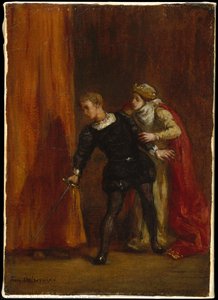
统计数据Selim and Zuleika
 Oil On Canvas
- WallArt
- Romanticism
 1857
1857 47.0 x 40.0 cm
 泰特不列颠美术馆
 阅读全文
阅读全文
艺术微喷/版画
博物馆级艺术微喷或帆布版画,制作高效,并提供多种饰面选择。 ( 订购此收藏品的纯手工复刻画作 切换至数字图像销售渠道)




P118B $10

P118H $10

P118W $10

P438Z $10

P508JH $12

P508YH $12

P805H $10

P805Z $10

P919BZ $10

P919G $10

P919XJ $10

P959ZH $10

P968JZ $12

W106C $8

W218G $10

W218JH $8

W218Y $10

W307PJ $10

W316G $10

W316PJ $8

W316Y $10

W398PJ $8

W4111J $10

W500HY $15

W500JH $15

W692G $12

W849H $8

W940BG $15

W953PJ $8




您可以从与原作比例一致的预设尺寸中进行选择。

您可以输入自定义尺寸,以适配特定的画框或空间。如果您选择的尺寸与原图比例不符,我们将对作品进行裁剪,或通过镜像填充/纯色填充边缘的方式来扩展图像。在开始制作之前,我们会向您发送一份数字效果图供您确认。
请注意,屏幕上的预览并不能反映实际的裁剪或扩展效果。只有效果图才能准确展示最终的构图。
虽然我们提供定制尺寸,但为了保持原图比例,我们建议您从预设列表中选择尺寸。


 玻璃选项仅适用于110厘米以下的尺寸。

Selim and Zuleika
艺术微喷/版画
复刻品尺寸说明
-


总计金额
$ 80
Selim and Zuleika: A Tragedy Painted in Fire
Eugène Delacroix’s “Selim and Zuleika” isn't merely a painting; it’s a visceral plunge into the heart of Romantic drama, a testament to the consuming power of love and loss. Completed in 1857, this monumental canvas—measuring a commanding 47 x 40 centimeters—holds court within the hallowed halls of the Kimbell Art Museum in Fort Worth, a space that seems almost too restrained for such an eruption of emotion. The scene unfolds against the stark backdrop of the Dardanelles coastline in Turkey, inspired by Lord Byron’s haunting poem “The Bride of Abydos,” a tale of forbidden passion and fatal consequence. Delacroix, deeply moved by Byron's narrative, meticulously translated its tragic core onto canvas, imbuing it with his signature blend of vibrant color, dynamic movement, and profound psychological depth.
At first glance, the composition is dominated by a swirling vortex of action and impending doom. Selim, a dashing pirate captain, stands poised to deliver a fatal blow to his beloved Zuleika, her face contorted in a desperate attempt to restrain him. The figures are caught in a maelstrom of crimson and ochre – Delacroix’s masterful use of color isn't merely decorative; it amplifies the painting’s dramatic intensity. Notice how the deep reds of Selim’s cloak and the blood-soaked ground contrast sharply with the cool blues and greens of the sea, creating a visual representation of the impending tragedy. The lighting is theatrical, almost Caravaggesque, casting long, dramatic shadows that heighten the sense of urgency and foreboding. Delacroix deliberately eschewed the smooth, polished surfaces favored by Neoclassical painters, opting instead for loose brushstrokes and visible texture—a technique that lends the scene a palpable sense of immediacy and raw emotion.
The Poetics of Loss and Desire
The story itself is steeped in symbolism. Zuleika, daughter of Pasha Giaffir, flees her arranged marriage to escape a life of servitude and finds solace in Selim’s passionate embrace. Their love is doomed from the outset, a collision between duty and desire, tradition and rebellion. The painting captures this inherent conflict with breathtaking precision. The torches held aloft by Giaffir's men aren't simply symbols of pursuit; they represent the oppressive forces of societal expectation and patriarchal control that threaten to extinguish Zuleika’s freedom and Selim’s happiness. The positioning of the figures—Selim dominating, Zuleika struggling—reflects the power dynamics at play within their relationship and within the broader social context.
Delacroix wasn't simply depicting a historical event; he was exploring universal themes of love, betrayal, and sacrifice. The painting’s emotional resonance stems from its ability to tap into our own experiences of longing, regret, and the bittersweet nature of human relationships. The desperate plea in Zuleika’s eyes, her outstretched hand reaching for Selim—these are not merely gestures; they are embodiments of a love that is both incandescent and tragically doomed. The inclusion of the approaching figures, rendered with a sense of impending violence, underscores the inevitability of their fate.
A Masterpiece of Romantic Intensity
“Selim and Zuleika” stands as a cornerstone of the Romantic movement, embodying its core tenets: an emphasis on emotion, imagination, and individualism. Delacroix’s bold use of color, dramatic composition, and expressive brushwork created a visual language that was both revolutionary and deeply affecting. The painting's influence can be seen in countless works of art that followed, shaping the course of Western painting for generations to come.
Beyond its artistic merit, “Selim and Zuleika” offers a poignant meditation on human nature—on our capacity for both extraordinary love and devastating loss. It’s a reminder that even in the face of overwhelming odds, passion can burn brightly, but ultimately, it may be consumed by fate. Reproductions of this powerful work continue to captivate viewers with its raw emotion and timeless drama, solidifying Delacroix's legacy as one of history’s greatest artists.
Technical Details & Historical Context
Painted in 1857, “Selim and Zuleika” represents a culmination of Delacroix’s artistic explorations. Following his travels to North Africa, particularly Morocco, where he was deeply influenced by the vibrant colors and exotic cultures, Delacroix returned to Paris with a renewed sense of purpose and a desire to translate these experiences onto canvas. The painting is executed in oil on canvas, utilizing a technique known as *alla prima*, meaning “at first sight,” which allowed for rapid brushwork and spontaneous expression. Delacroix’s meticulous attention to detail—particularly in the rendering of fabric textures and the depiction of light and shadow—is evident throughout the work.
The painting's creation coincided with a period of significant political and social upheaval in France, following the fall of Napoleon III and the establishment of the Second Republic. Delacroix’s art often reflected these turbulent times, grappling with themes of revolution, sacrifice, and national identity. “Selim and Zuleika,” with its depiction of forbidden love and tragic consequences, can be interpreted as a commentary on the dangers of unchecked passion and the destructive forces of social constraint.
Resources & Further Exploration
For further insights into Delacroix’s life and work, we recommend exploring these resources:
- Kimbell Art Museum: Selim and Zuleika
- Wikipedia - Eugène Delacroix: https://en.wikipedia.org/wiki/Eug%C3%A8ne_Delacroix
- Artvee: https://artvee.com/dl/selim-and-zuleika/
Discover more about Delacroix’s artistic journey and the captivating story behind “Selim and Zuleika” through these valuable resources.
艺术家简介
浪漫主义的旗帜:欧仁·德拉克洛瓦的一生与遗产
费迪南·维克多·欧仁·德拉克洛瓦,1798年出生于巴黎附近的沙朗东圣莫里斯,不仅仅是一位画家,更是浪漫主义精神的化身。在社会动荡和审美理想转变的时代,德拉克洛瓦成为法国艺术界的重要人物,他摒弃了新古典主义的严谨形式,转而拥抱戏剧性、情感和充满活力的色彩,从而永远改变了绘画的进程。他的一生虽然充满了个人悲剧,却与他的艺术愿景密不可分——追求崇高,探索异域世界,表达人类经验的原始力量。
德拉克洛瓦的早期生活受到复杂的家庭历史和相对脆弱的健康状况的影响。十六岁时失去双亲后,他从有影响力的查理-莫里斯·德·塔列朗-佩里戈尔那里获得了指导,许多人认为他是他的亲生父亲。这种联系为他提供了重要的赞助和进入巴黎艺术世界的机会。他最初师从受人尊敬的学院派画家皮埃尔-纳西斯·盖兰,但真正点燃德拉克洛瓦艺术激情的却是西奥多·热里科的作品——特别是他那宏伟的《梅杜莎号之筏》。他甚至为热里科摆姿势,吸收了这位前辈艺术家对现实主义和情感强度的承诺。
从历史场景到异域幻象
1822年,德拉克洛瓦在沙龙展上首次亮相《但丁与维吉尔在地狱中》,这部作品立即预示了他与既定规范的决裂。受到但丁·阿利吉耶里的《地狱》的启发,这幅画展示了大胆的色彩运用、动态的构图和一种强烈的心理动荡感。这标志着他职业生涯的开始,致力于探索激情、冲突和人类状况的主题。尽管最初反应不一——一些评论家赞扬了他的独创性,另一些人则认为他的作品混乱且缺乏古典精致——德拉克洛瓦仍然坚持不懈,发展出一种以自由奔放的笔触、丰富的纹理和对运动的强调为特征的独特风格。
他对历史和文学主题之外的事物产生了浓厚的兴趣。1832年对北非的旅行深刻地影响了他的艺术轨迹。沉浸在摩洛哥充满活力的文化中,德拉克洛瓦被异域风光、阿拉伯部落游牧生活方式以及他们传统的热烈氛围所吸引。这种经历为他的绘画注入了新的色彩、光线和能量,如《阿拉伯马匹搏斗》和众多阿尔及利亚生活的研究中所见。他不仅仅是在记录这些场景;他试图理解与自己文化截然不同的文化的内在精神。
色彩的力量与政治参与
德拉克洛瓦对色彩的掌握是他最持久的遗产之一。他从鲁本斯巴洛克风格的奔放和威尼斯文艺复兴大师那里汲取灵感,优先考虑色度强度而不是精确的素描技巧。他理解色彩可以唤起情感、创造氛围并以线条无法表达的方式传达意义。这种创新的方法深刻地影响了后世艺术家,为印象派和后印象派铺平了道路。
除了他的审美创新之外,德拉克洛瓦还是一位积极参与政治的艺术家。他最著名的作品,《人民领导自由》(1830年)不仅仅是对七月革命的描绘;它更是对自由与反抗的有力象征。这幅画动态的构图、寓言人物和原始的情感力量使其在艺术史上确立了作为法国国家认同和革命理想象征的地位。它不仅仅是记录一个事件;而是捕捉一个为自由而战的国家的精神。
持久的影响
德拉克洛瓦一生都在不断创作,探索从莎士比亚悲剧到圣经叙事的各种主题。他还作为一位石版画家做出了重要贡献,为威廉·斯科特和约翰·沃尔夫冈·冯·歌德等文学巨匠的作品绘制插图。他的工作室成为艺术交流的中心,吸引了渴望学习他非常规方法的有抱负的画家。
到1863年去世时,德拉克洛瓦已经确立自己为法国最伟大的艺术家之一。他的影响远远超出了浪漫主义运动的范围,塑造了现代绘画的发展,并以其大胆的色彩运用、动态的构图和对情感表达的不懈承诺激励着无数艺术家。他仍然是艺术史上的一位重要人物——证明了个体愿景的力量和崇高的持久魅力。

欧仁·德拉克洛瓦
1798 - 1863 , 法国
快速概览
- 代表作品:
- 自由引导人民
- 萨达纳帕洛斯的死亡
- 阿拉伯马匹搏斗
- 全名: 欧仁·德拉克洛瓦
- 出生地: 法国香托奈
- 出生日期: 1798年4月26日
- 受德拉克洛瓦影响的艺术家或运动:
- 印象派
- 后印象派
- 国籍: 法国
- 影响德拉克洛瓦的艺术家:
- 鲁本斯
- 威尼斯文艺复兴画家
- 艺术运动或风格: 浪漫主义
- 逝世日期: 1863年8月13日
相关文章

Ferdinand Delacroix: Romanticism's Revolutionary Brush – A Study of Passion, Politics, and Painterly Innovation
Explore the revolutionary art of Eugène Delacroix, leader of French Romanticism. Discover his masterful use of color, political engagement, and lasting influence on modern painting. Learn about key works & history.

Anne-Louis Girodet: Bridging Neoclassicism & Romanticism with Emotional Truth
Explore the captivating world of Anne-Louis Girodet, a pivotal figure bridging Neoclassicism & Romanticism. Discover his masterpieces and unique artistic vision with OriginalUniqueArt.
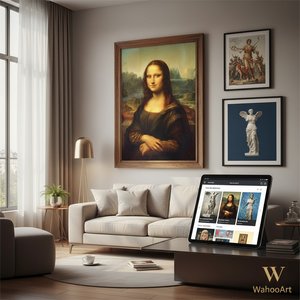
卢浮宫25幅杰作:艺术、历史与家居灵感之旅 (Lúfu gōng 25 fú jiézuò: yìshù, lìshǐ yǔ jiājū línggǎn zhī lǚjí)
探索巴黎卢浮宫25幅传世名画!达芬奇、米开朗基罗等大师杰作背后的故事,文艺复兴与巴洛克艺术精髓尽收眼底。寻找家居装饰灵感,购买博物馆级艺术复制品,OriginalUniqueArt.com带您领略经典绘画之美。

Paul Huet: Capturing the Essence of French Romanticism Through Light and Landscape
Explore the captivating world of Paul Huet (1803-1869), a master of French Romantic landscape painting. Discover his influence on Barbizon & Impressionism, and browse high-quality reproductions at OriginalUniqueArt.
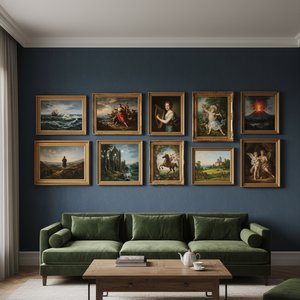
浪漫主义艺术史上的十大巨作:情感、想象与美的永恒化
探索浪漫主义艺术的巅峰!本文精选十大名画,带您领略德拉克勒罗、柯罗等大师的情感与想象力。从色彩到技法,深入解读这些经典作品背后的故事。OriginalUniqueArt.com为您提供博物馆品质的艺术复制品和个性化家居装饰方案。立即探索全系列!