切换至版画销售渠道
 展开全文
展开全文







































 对于任何边长超过 105 厘米(约 41 英寸)的艺术品或复制品,画框将以拆解后的组件形式发货。此方法可确保安全送达并防止运输过程中的损坏。


Delacroix's *Odalisque*: A Window into Romantic Exoticism
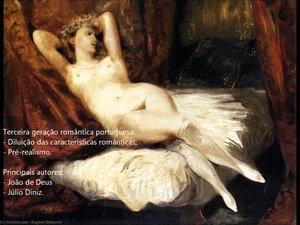
Eugène Delacroix’s *Odalisque*, completed in 1857, is more than simply a portrait; it’s an immersive experience, a carefully constructed tableau that transports the viewer to the opulent and enigmatic world of the Ottoman harem. Measuring a modest 35 x 30 cm, this oil on canvas radiates a quiet intensity, a testament to Delacroix's mastery of color and his profound understanding of human emotion. The painting’s enduring appeal lies not just in its technical brilliance but also in its potent symbolism – a visual embodiment of the Romantic fascination with the ‘other,’ specifically the alluring mystery of the East.
- A Masterclass in Romantic Technique: Delacroix, deeply influenced by Rubens and the Venetian Renaissance, employed loose brushstrokes and vibrant color to evoke movement and atmosphere. Notice how he doesn’t meticulously render every detail; instead, he uses broad washes of pigment to suggest form and texture, creating a sense of immediacy and dynamism.
- The Allure of the Odalisque: The term “odalisque” itself – a female attendant or concubine in an Ottoman harem – carries connotations of exotic beauty, sensuality, and veiled secrets. Delacroix’s subject is presented with a languid grace, her pose inviting contemplation and fueling the viewer's imagination about her story.
Color and Light: The Language of Emotion
Delacroix’s palette in *Odalisque* is dominated by warm, sensual tones – rich golds, deep blues, and subtle pinks – that contribute significantly to the painting’s emotional impact. He skillfully manipulates light to create a sense of depth and volume, bathing the subject in a soft, diffused glow. The play of light on her skin isn't merely descriptive; it’s deliberately employed to evoke feelings of tranquility, vulnerability, and perhaps even a hint of melancholy. This careful orchestration of color and light is characteristic of Delacroix’s Romantic approach, prioritizing emotional expression over strict realism.
Historical Context and Symbolism
Painted during a period of intense social and political change in France – the July Revolution of 1830 had just taken place – *Odalisque* reflects the broader Romantic movement's rejection of classical restraint. Delacroix’s interest in Orientalism was not simply aesthetic; it represented a desire to escape the confines of European society and explore new worlds, both real and imagined. The harem itself became a potent symbol of forbidden desires and exotic allure, frequently depicted in Western art as a space of sensual indulgence and hidden power.
A Timeless Masterpiece – Recreated for Today
*Odalisque* remains one of Delacroix’s most celebrated works, admired for its beauty, its emotional depth, and its historical significance. OriginalUniqueArt offers meticulously crafted hand-painted reproductions that capture the essence of this iconic painting, allowing you to bring a piece of art history into your home or office. Each reproduction is created using archival quality materials, ensuring lasting vibrancy and authenticity.
常见问题与解答
欧仁·德拉克洛瓦 的《Odalisque》 在艺术史中处于怎样的地位?
从历史上看,"Odalisque" 是广义上 19th Century 时期的 Romantic Movement 时期作品。
欧仁·德拉克洛瓦 的《Odalisque》 的版权情况是如何界定的?
"Odalisque" 的版权状态 —— 属于公有领域 —— 其版权已过期 —— 取决于艺术家于 1863 年逝世这一事实。
我能查看欧仁·德拉克洛瓦 的《Odalisque》的X光影像吗?
欧仁·德拉克洛瓦 的《Odalisque》 的 X射线透视 页面是一个交互式查看器,您可以逐层滑动浏览作品图像的十一层光学图层,其中还包含 X 光风格的视图。
 实景预览
实景预览
 分享
分享 分享
分享
 详情
详情 指南
指南

 下载作品
下载作品
 相似作品
相似作品 X射线
X射线 幻灯片播放
幻灯片播放 问答
问答 统计数据
统计数据