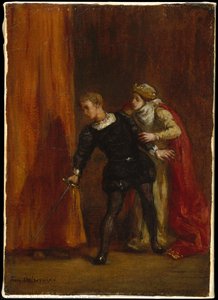
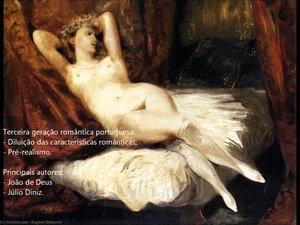
效果预览
效果预览
 分享
分享 分享
分享
 详情
详情

 下载
下载
 相似作品
相似作品 X射线
X射线 幻灯片播放
幻灯片播放 统计数据
统计数据Lion Attacking a Horse

 展开详情
展开详情
手工油画复制品
由我们的艺术家按需定制,为您提供您所选尺寸及画框的布面手工油画。 ( 切换至版画销售渠道 切换至数字图像销售渠道)




P118B $10

P118H $10

P118W $10

P438Z $10

P508JH $12

P508YH $12

P805H $10

P805Z $10

P919BZ $10

P919G $10

P919XJ $10

P959ZH $10

P968JZ $12

W106C $8

W218G $10

W218JH $8

W218Y $10

W307PJ $10

W316G $10

W316PJ $8

W316Y $10

W398PJ $8

W4111J $10

W500HY $15

W500JH $15

W692G $12

W849H $8

W940BG $15

W953PJ $8




从与原作比例一致的预设尺寸中进行选择。

您可以输入自定义尺寸,以适配特定的画框或空间。如果所选尺寸与原图比例不符,我们将通过裁剪作品或添加手绘元素来扩展画面。数字样稿将在制作开始前发送给您确认。
请注意,屏幕预览无法准确反映实际的裁剪或扩展效果,只有样稿才能真实呈现最终的构图。
虽然我们提供定制尺寸服务,但为了保留原作比例,建议您从预设列表中选择尺寸。
下单后,OriginalUniqueArt.com 团队将通过电子邮件联系客户获取具体要求,并提供效果预览图。


 玻璃选项仅适用于110厘米以下的尺寸。

Lion Attacking a Horse
复制材质
复制品尺寸
-


最终总价
$ 300
Lion Attacking a Horse
Eugène Delacroix’s Lion Attacking a Horse is more than just a depiction of an animal struggle; it's a visceral embodiment of Romanticism’s core tenets—drama, emotion, and the sublime power of nature. Created in 1849–50, this monumental drawing captures a moment frozen in time, transporting viewers directly into the heart of a perilous encounter between predator and prey. Delacroix meticulously rendered the scene with charcoal and pastel on paper, utilizing expressive hatching lines and subtle tonal variations to convey both the physicality of the animals involved and the psychological intensity of their confrontation. The painting’s genesis lies in Delacroix's fascination with Orientalism—a movement that sought to capture exotic landscapes and cultures—fueled by his journey to Morocco during the Napoleonic Wars. Inspired by tales of Berber warriors and ferocious lions, Delacroix envisioned a dramatic tableau reflecting the barbarity of colonial ambition. The composition itself is masterful: the lion dominates the center, its muscular form poised for attack as it bites into the horse’s neck—a gesture simultaneously brutal and terrifying. Scattered birds circling overhead heighten the sense of movement and contribute to the overall atmosphere of unrestrained energy. Delacroix's artistic vision wasn’t merely about recreating a visual spectacle; he aimed to evoke profound feelings of awe and terror, mirroring the Romantic preoccupation with confronting the forces beyond human control. Delacroix’s stylistic choices underscore this ambition. Unlike the polished surfaces and idealized forms favored by Neoclassical artists like Jacques-Louis David, Delacroix embraced loose brushstrokes and a palette dominated by dark browns and blacks—a deliberate rejection of academic conventions. He skillfully employed hatching to sculpt the contours of the lion and horse, creating an illusion of depth that draws the eye into the scene. Furthermore, Delacroix’s masterful use of pastel lends a luminous quality to certain areas of the drawing, particularly highlighting the horse's musculature and conveying its desperate struggle for survival. The painting’s symbolism resonates deeply with Romantic ideals. The lion represents untamed power and aggression—a force that threatens to overwhelm reason and order. Simultaneously, it embodies the grandeur and majesty of nature—a realm governed by laws far surpassing human comprehension. The horse symbolizes nobility and vulnerability—representing humanity's confrontation with its own mortality. Delacroix’s depiction isn’t simply a record of an animal attack; it’s a meditation on the relationship between man and beast, and ultimately, between humankind and the sublime wilderness.Further Exploration
Delacroix’s influence extends far beyond this single masterpiece. His groundbreaking approach to color and composition paved the way for Impressionism, inspiring artists like Claude Monet and Edgar Degas. To delve deeper into Delacroix's artistic legacy, consider visiting Eugene Delacroix and exploring his other celebrated works at the Musée Eugène Delacroix in Paris, or researching Eugène Delacroix on Wikipedia for biographical information and critical analyses. Examining reproductions like Lion Attacking a Horse offers an unparalleled opportunity to appreciate Delacroix’s artistic genius and the enduring power of Romantic art.艺术家简介
浪漫主义的旗帜:欧仁·德拉克洛瓦的一生与遗产
费迪南·维克多·欧仁·德拉克洛瓦,1798年出生于巴黎附近的沙朗东圣莫里斯,不仅仅是一位画家,更是浪漫主义精神的化身。在社会动荡和审美理想转变的时代,德拉克洛瓦成为法国艺术界的重要人物,他摒弃了新古典主义的严谨形式,转而拥抱戏剧性、情感和充满活力的色彩,从而永远改变了绘画的进程。他的一生虽然充满了个人悲剧,却与他的艺术愿景密不可分——追求崇高,探索异域世界,表达人类经验的原始力量。
德拉克洛瓦的早期生活受到复杂的家庭历史和相对脆弱的健康状况的影响。十六岁时失去双亲后,他从有影响力的查理-莫里斯·德·塔列朗-佩里戈尔那里获得了指导,许多人认为他是他的亲生父亲。这种联系为他提供了重要的赞助和进入巴黎艺术世界的机会。他最初师从受人尊敬的学院派画家皮埃尔-纳西斯·盖兰,但真正点燃德拉克洛瓦艺术激情的却是西奥多·热里科的作品——特别是他那宏伟的《梅杜莎号之筏》。他甚至为热里科摆姿势,吸收了这位前辈艺术家对现实主义和情感强度的承诺。
从历史场景到异域幻象
1822年,德拉克洛瓦在沙龙展上首次亮相《但丁与维吉尔在地狱中》,这部作品立即预示了他与既定规范的决裂。受到但丁·阿利吉耶里的《地狱》的启发,这幅画展示了大胆的色彩运用、动态的构图和一种强烈的心理动荡感。这标志着他职业生涯的开始,致力于探索激情、冲突和人类状况的主题。尽管最初反应不一——一些评论家赞扬了他的独创性,另一些人则认为他的作品混乱且缺乏古典精致——德拉克洛瓦仍然坚持不懈,发展出一种以自由奔放的笔触、丰富的纹理和对运动的强调为特征的独特风格。
他对历史和文学主题之外的事物产生了浓厚的兴趣。1832年对北非的旅行深刻地影响了他的艺术轨迹。沉浸在摩洛哥充满活力的文化中,德拉克洛瓦被异域风光、阿拉伯部落游牧生活方式以及他们传统的热烈氛围所吸引。这种经历为他的绘画注入了新的色彩、光线和能量,如《阿拉伯马匹搏斗》和众多阿尔及利亚生活的研究中所见。他不仅仅是在记录这些场景;他试图理解与自己文化截然不同的文化的内在精神。
色彩的力量与政治参与
德拉克洛瓦对色彩的掌握是他最持久的遗产之一。他从鲁本斯巴洛克风格的奔放和威尼斯文艺复兴大师那里汲取灵感,优先考虑色度强度而不是精确的素描技巧。他理解色彩可以唤起情感、创造氛围并以线条无法表达的方式传达意义。这种创新的方法深刻地影响了后世艺术家,为印象派和后印象派铺平了道路。
除了他的审美创新之外,德拉克洛瓦还是一位积极参与政治的艺术家。他最著名的作品,《人民领导自由》(1830年)不仅仅是对七月革命的描绘;它更是对自由与反抗的有力象征。这幅画动态的构图、寓言人物和原始的情感力量使其在艺术史上确立了作为法国国家认同和革命理想象征的地位。它不仅仅是记录一个事件;而是捕捉一个为自由而战的国家的精神。
持久的影响
德拉克洛瓦一生都在不断创作,探索从莎士比亚悲剧到圣经叙事的各种主题。他还作为一位石版画家做出了重要贡献,为威廉·斯科特和约翰·沃尔夫冈·冯·歌德等文学巨匠的作品绘制插图。他的工作室成为艺术交流的中心,吸引了渴望学习他非常规方法的有抱负的画家。
到1863年去世时,德拉克洛瓦已经确立自己为法国最伟大的艺术家之一。他的影响远远超出了浪漫主义运动的范围,塑造了现代绘画的发展,并以其大胆的色彩运用、动态的构图和对情感表达的不懈承诺激励着无数艺术家。他仍然是艺术史上的一位重要人物——证明了个体愿景的力量和崇高的持久魅力。

欧仁·德拉克洛瓦
1798 - 1863 , 法国
艺术家简介
- 代表作品:
- 自由引导人民
- 萨达纳帕洛斯的死亡
- 阿拉伯马匹搏斗
- 全名: 欧仁·德拉克洛瓦
- 出生地: 法国香托奈
- 出生日期: 1798年4月26日
- 受德拉克洛瓦影响的艺术家或运动:
- 印象派
- 后印象派
- 国籍: 法国
- 影响德拉克洛瓦的艺术家:
- 鲁本斯
- 威尼斯文艺复兴画家
- 艺术运动或风格: 浪漫主义
- 逝世日期: 1863年8月13日
相关文章

Mastering Charcoal: The Definitive Expert Guide to Capturing Profound Depth, Texture, and Shadow
Elevate your artistry with this definitive expert guide to mastering charcoal. Designed for art students, learn professional techniques for capturing profound depth, intricate textures, and dramatic shadows through advanced blending and chiaroscuro methods.
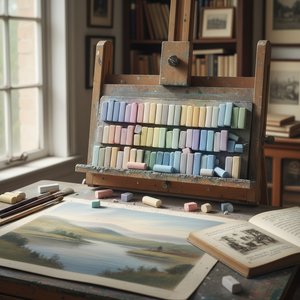
柔光与细腻:粉彩艺术的技法、历史与情感共鸣
探索粉彩艺术的迷人世界!深入了解其历史、技法与情感共鸣。从文艺复兴到当代,精通粉彩绘画技巧,感受色彩的细腻魅力。OriginalUniqueArt提供专业艺术咨询与定制服务。


The Subdued Radiance of Pastel: Exploring Nuance & Emotion in Art
Explore the nuanced world of pastel art! Discover its history, techniques & emotional power with expert insights from OriginalUniqueArt.com. Find museum-quality reproductions and learn about collecting this delicate medium.
The Soft Power of Pastel: A Connoisseur's Guide to History, Technique, and the Art of Texture
Explore the ethereal beauty of pastel art. From Renaissance origins to Impressionist mastery, discover the history, technique, and velvety textures that define this luminous medium in our expert guide for art connoisseurs.