

 实景预览
实景预览
 发送
发送 分享
分享
 详情
详情 指南
指南

 下载图片
下载图片
 相似作品
相似作品 X射线
X射线 幻灯片播放
幻灯片播放 统计数据
统计数据Ludwig van Beethoven
 Oil
Oil- WallArt
- Romanticism
 1819
1819- 19th Century
 59.0 x 46.0 cm
 波恩贝多芬故居
 阅读全文
阅读全文
手工油画复制品
由我们的艺术家按需定制,为您提供您所选尺寸及画框的布面手工油画。 ( 切换至版画销售渠道 切换至数字图像销售渠道)




P118B ¥10

P118H ¥10

P118W ¥10

P438Z ¥10

P508JH ¥12

P508YH ¥12

P805H ¥10

P805Z ¥10

P919BZ ¥10

P919G ¥10

P919XJ ¥10

P959ZH ¥10

P968JZ ¥12

W106C ¥8

W218G ¥10

W218JH ¥8

W218Y ¥10

W307PJ ¥10

W316G ¥10

W316PJ ¥8

W316Y ¥10

W398PJ ¥8

W4111J ¥10

W500HY ¥15

W500JH ¥15

W692G ¥12

W849H ¥8

W940BG ¥15

W953PJ ¥8




您可以从与原作比例一致的预设尺寸中进行选择。

请输入您需要的宽度和高度,以适配您的画框或墙面。由于作品为手工绘制,若您选择不同的尺寸比例,艺术家可能会在画面边缘多画一些或稍作裁剪 —— 由您决定。在开始绘画之前,我们会为您发送一份数字效果图供您确认。本页面上展示的图片并非最终实物 —— 只有效果图才能反映真实结果。
下单后,OriginalUniqueArt.com 团队将通过电子邮件联系客户获取具体要求,并提供效果预览图


 玻璃选项仅适用于110厘米以下的尺寸。

Ludwig van Beethoven
复制品材质
复刻品尺寸说明
-


总计金额
¥ 2015
The Soul of a Maestro: Encountering Beethoven
In the quiet corridors of art history, few images possess the raw, psychological gravity found in Ferdinand Schimon’s 1819 portrait of Ludwig van Beethoven. This is not merely a likeness; it is an encounter with the tempestuous spirit of the Romantic era. As we gaze upon the face of the legendary composer, we are met with an intensity that transcends the canvas. Schimon, a Hungarian master trained under the meticulous J.B. Lampi, captures more than just the physical features of a man; he captures the very essence of musical genius. The subject’s dark, unruly hair and piercing gaze seem to vibrate with the same energy found in his Ninth Symphony, creating a profound connection between the visual arts and the auditory sublime.
The technical mastery displayed in this work serves to heighten its emotional resonance. Schimon employs a sophisticated approach to light and shadow, a technique that breathes life into the textures of the subject's attire and skin. The stark contrast between the crisp white shirt and the deep, somber tones of the black vest directs the viewer’s eye upward, focusing all attention on the face—the seat of Beethoven's intellect and suffering. Every brushstroke contributes to a sense of realism that is tempered by a Romantic flair, where the subtle play of light across the brow suggests a mind perpetually engaged in the struggle of creation. For the collector or interior designer, this piece offers a focal point of immense character, capable of anchoring a room with its dignified and brooding presence.
A Legacy Captured in Pigment
To understand this portrait is to understand the cultural zeitgeist of the early nineteenth century. Created in 1819, the painting emerged during a period when the world was shifting from the structured elegance of Classicism toward the turbulent emotions of Romanticism. Schimon, whose own background in opera singing likely deepened his sensitivity to dramatic expression, utilizes this portrait to bridge these two worlds. The gold frame that surrounds the work—as seen in its original presentation at the Beethoven-Haus Bonn—acts as a window into a bygone era, lending an air of timelessness and prestige to the composition.
For those seeking to integrate fine art into a contemporary living space, this reproduction offers more than mere decoration; it provides a conversation piece steeped in historical significance. The portrait’s ability to evoke both melancholy and strength makes it a versatile choice for sophisticated interiors, whether placed in a private library, a formal study, or an avant-garde gallery setting. It is a tribute to the enduring power of human genius, rendered with a level of detail that honors the original masterpiece, ensuring that the legacy of Beethoven and the skill of Schimon continue to inspire generations of art lovers.
问答详情
Ferdinand Schimon 的《Ludwig van Beethoven》 描绘了什么内容?
Ferdinand Schimon 的《Ludwig van Beethoven》 中呈现的主题包括 man, beard, dark hair, white shirt, black vest, portrait。这些主题共同构成了该艺术作品的主旨。
Ferdinand Schimon 的《Ludwig van Beethoven》 的创作日期是哪一年?
"Ludwig van Beethoven"创作于1819年。这一日期将该作品置于Ferdinand Schimon的艺术生涯及其所处时代之中。
Ferdinand Schimon 的《Ludwig van Beethoven》 的创作媒介与尺寸是多少?
《Ludwig van Beethoven》采用Oil创作,原件尺寸为59 x 46 cm。
艺术家简介
The Melodic Brush: The Life and Art of Ferdinand Schimon
Ferdinand Schimon (1797–1852) occupied a unique space in the cultural tapestry of the nineteenth century, moving with equal grace between the dramatic stages of the opera house and the quiet intensity of the painter's studio. Born in Buda during a period of profound transformation, Schimon’s early life was defined by a dual passion for music and visual art. Before he became a recognized name in portraiture, he pursued a career as an opera tenor, a formative experience that would forever alter his approach to the canvas. This musical foundation instilled in him a deep sensitivity to rhythm, drama, and the emotional crescendos of human expression, allowing him to capture not just the physical likeness of his subjects, but their very psychological resonance. The transition from singer to painter was guided by the mentorship of Johann Baptist von Lampi the Younger, a master whose commitment to realism and meticulous detail provided Schimon with a rigorous technical foundation. Moving to Vienna to study under Lampi, Schimon immersed himself in the heart of European artistic innovation. It was during this period that his talent for capturing character began to flourish. His early works often focused on the theatrical world, including portraits of prominent actors from the Burgtheater, where he could apply his understanding of dramatic lighting and gesture to freeze a moment of performance in time.A Master of Romantic Realism
Schimon’s artistic style is best described as a sophisticated blend of Romanticism and realism. While his technique remained grounded in the precise craftsmanship learned from Lame, his soul was deeply attuned to the turbulent emotions of the Romantic era. He possessed a rare ability to use light and shadow—a technique known as chiaroscuro—to direct the viewer's gaze and evoke mood. This is perhaps most famously seen in his 1819 portrait of Ludwig van Beethoven. In this work, Schimon does not merely paint a composer; he captures a tempestuous spirit. Through the stark contrast of light against dark textures and the focused intensity of the subject's gaze, Schimon translates the auditory power of music into a visual language of profound gravity. Beyond the high-profile portraits of nobility and musical legends, Schimon’s oeuvre holds a deep reverence for the cultural heritage of his homeland. He produced evocative scenes of Hungarian peasant life, rendering rural communities with a sensitivity that avoided mere caricature. In these works, he captured the dignity of labor and the quiet beauty of tradition, providing a vital historical record of a bygone era. His ability to pivot from the aristocratic elegance of a formal portrait to the earthy, textured reality of folk life demonstrates a versatile mastery over both subject and sentiment.Legacy and Historical Significance
The legacy of Ferdinand Schimon is one of intersectionality, where the boundaries between different art forms dissolve. His life serves as a testament to the interconnectedness of the arts during the nineteenth century, proving that the discipline of a performer can enrich the vision of a painter. Though he may not have achieved the singular global fame of some of his contemporaries, his contributions to Hungarian and German portraiture remain indispensable. He provided a window into the social strata of his time, from the prestigious halls of Vienna to the vibrant rural landscapes of Hungary. Today, Schimon’s work continues to resonate with collectors and historians alike. His paintings are valued not only for their technical excellence but for their ability to act as emotional conduits to the past. To look upon a Schimon portrait is to encounter the pulse of the Romantic era—a period defined by the struggle between reason and emotion, order and chaos. Through his brush, the fleeting expressions of humanity and the enduring spirit of tradition are preserved in a permanent, luminous dance of pigment and light.
Ferdinand Schimon
1797 - 1852 , Hungary
快速概览
- Full Name: Ferdinand Schimon
- Nationality: Hungarian
- Date Of Birth: 1797
- Date Of Death: 1852
- Place Of Birth: Hungary
- Notable Artworks:
- Portraits of Hungarian nobles
- Depictions of rural life
- Artistic Movement Or Style: Realism
- Artists Who Influenced This Artist: Johann Baptist Lampi
- Artists Or Movements Influenced By This Artist: European Portraiture
相关文章

浪漫主义画派的十部巨作:定义风景画的艺术传奇
探索浪漫主义风景画的巅峰!本文精选十部经典名作,带您领略莫奈、库尔贝等大师的艺术魅力。感受色彩与光影的诗意,重温自然风光的震撼。OriginalUniqueArt.com为您提供博物馆级别的艺术复制品和个性化家居装饰方案。尽在OriginalUniqueArt.com!
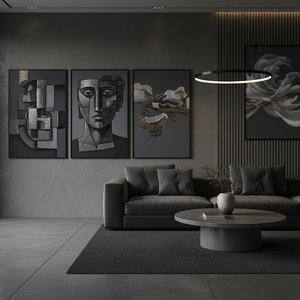
Dark Gray Masterpieces: 10 Iconic Paintings & Timeless Home Decor Ideas
Explore 10 iconic paintings dominated by dark gray tones, from Rembrandt & Caravaggio to Goya. Discover the stories behind these masterpieces and find museum-quality art reproductions for your home at . Explore the full collection online.

Capturing the Soul: The Emotional Magic and Sublime Grandeur of Romantic Landscape Painting
Explore the profound emotional depth of Romantic landscape painting. Discover how masters like Friedrich and Turner captured the sublime through light, shadow, and nature's power in this expert art history retrospective for discerning collectors.

Romantic Realism's Finest: 10 Masterpieces for Your Home | OriginalUniqueArt
Explore 10 defining masterpieces of Romantic Realism! Discover Courbet, Millet & Daumier's powerful paintings—capturing emotion and social realities. Find museum-quality reproductions for your home at OriginalUniqueArt.com.

Gothic Vibes: From Dark Shadows to Bold Modern Edge | The Ultimate Trend Forecast
Explore the evolution of Gothic vibes, from historical shadows to bold modern edge. Discover how dark aesthetics, noir interiors, and contemporary subcultures are redefining modern design through a high-impact, trend-focused lens.