实景预览
实景预览
 发送
发送 分享
分享
 详情
详情 指南
指南

 下载图片
下载图片
 相似作品
相似作品 X射线
X射线 幻灯片播放
幻灯片播放 统计数据
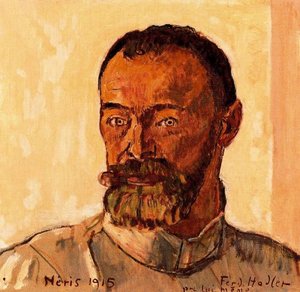
统计数据Figure study
 Acrylic On Canvas
- WallArt
- Symbolist Landscape Painting
 1899
1899 25.0 x 24.0 cm
 波斯尼亚和黑塞哥维那国家美术馆
 阅读全文
阅读全文
艺术微喷/版画
博物馆级艺术微喷或帆布版画,制作高效,并提供多种饰面选择。 ( 订购此收藏品的纯手工复刻画作 切换至数字图像销售渠道)




P118B ¥10

P118H ¥10

P118W ¥10

P438Z ¥10

P508JH ¥12

P508YH ¥12

P805H ¥10

P805Z ¥10

P919BZ ¥10

P919G ¥10

P919XJ ¥10

P959ZH ¥10

P968JZ ¥12

W106C ¥8

W218G ¥10

W218JH ¥8

W218Y ¥10

W307PJ ¥10

W316G ¥10

W316PJ ¥8

W316Y ¥10

W398PJ ¥8

W4111J ¥10

W500HY ¥15

W500JH ¥15

W692G ¥12

W849H ¥8

W940BG ¥15

W953PJ ¥8




您可以从与原作比例一致的预设尺寸中进行选择。

请输入您所需的宽度和高度,以适配您的画框或墙面。由于印刷品只能进行裁剪,无法超出原图尺寸,因此若比例不一致,画面的一部分将会被裁切。在正式印刷之前,我们会为您发送一份数字效果图供您确认。本页面显示的图片并非最终裁剪后的效果——只有效果图才能展示真实的裁剪情况。


 玻璃选项仅适用于110厘米以下的尺寸。

Figure study
艺术微喷/版画
复刻品尺寸说明
-


总计金额
¥ 537
Ferdinand Hodler’s “Study of Three Figures” – A Window Into Symbolist Vision
The artwork "Study of Three Figures," executed by Ferdinand Hodler in 1899, stands as a testament to the artist's pioneering approach to Symbolism and his masterful command of pencil technique. More than just a depiction of nude figures posed on the ground, it embodies Hodler’s core philosophical beliefs about human existence—a belief rooted in contemplation and informed by an acute sensitivity to the rhythms of nature. Examining this piece reveals not only artistic skill but also a profound engagement with the intellectual currents shaping European art at the turn of the century.Composition and Technique: Embracing Parallelism
Hodler’s distinctive style, dubbed “parallelism,” prioritized symmetry and rhythmic movement as fundamental principles governing human experience. This is immediately apparent in the arrangement of the three nude figures—a woman seated centrally with her hands clasped before her chest, flanked by two men positioned on either side. The artist meticulously rendered each pose with precise lines and subtle shading, capturing the contours of the body with remarkable accuracy while simultaneously conveying a sense of stillness and repose. Hodler’s technique involved layering graphite pencil strokes to build up tonal values—a process that allowed him to achieve an ethereal quality reminiscent of moonlight, reflecting his fascination with the interplay between light and shadow. The artist's use of tracing techniques further enhanced the image's visual impact, creating a textured surface that contributes to its overall atmosphere.Historical Context: Symbolism’s Quest for Spiritual Depth
Hodler’s “Study of Three Figures” emerged during the height of Symbolist artistic fervor—a movement that rejected realism in favor of exploring inner psychological states and conveying spiritual ideas through evocative imagery. Influenced by thinkers like Nietzsche and Kierkegaard, Symbolists sought to transcend the limitations of empirical observation and delve into realms beyond the visible world. Hodler’s preoccupation with themes of mortality and contemplation mirrored these intellectual concerns—a reflection of his own personal reflections on life's fragility and beauty. The artwork aligns itself with broader artistic trends of the period, demonstrating a shared desire for aesthetic innovation and philosophical profundity.Symbolism Unleashed: Gesture and Rhythm
The pose of the central figure—raised hands clasped before her chest—represents an instinctive gesture of protection and introspection—a posture that speaks to the artist’s belief in the importance of inner harmony with the natural world. The rhythmic movement conveyed by the figures' positions underscores Hodler’s conviction that human life unfolds according to patterns dictated by universal forces. Furthermore, the muted tonal palette—dominated by shades of gray and beige—creates an atmosphere of serenity and solemnity—a deliberate choice designed to evoke contemplation and inspire viewers to consider profound questions about existence. The artist’s meticulous attention to detail—particularly in capturing the subtle nuances of facial expression—adds another layer of complexity to the image, inviting viewers to engage in a dialogue with its symbolic content.Emotional Resonance: A Moment of Quiet Contemplation
Ultimately, “Study of Three Figures” transcends mere visual representation; it communicates an emotional state—one characterized by stillness, thoughtfulness, and acceptance. Hodler’s artwork invites us to pause amidst the bustle of daily life and consider the deeper meanings underlying our experiences—a reminder that true beauty resides not only in outward appearances but also in inner reflection. The piece's enduring appeal stems from its ability to capture a universal human yearning for connection with something greater than oneself—a sentiment powerfully conveyed through Hodler’s masterful use of pencil and his unwavering commitment to Symbolist principles.问答详情
费迪南·霍德勒 的《Figure study》 原作的技法和尺寸是多少?
原作费迪南·霍德勒 的《Figure study》为Acrylic On Canvas作品,尺寸为25 x 24 cm。技法与尺寸描述的是原件本身。
我可以在这里订购"Figure study"的油画复制品吗?
您可以在费迪南·霍德勒 的《Figure study》的手工油画复刻页面直接订购其手绘复制品:亚麻画布手工绘制油画复制品,按需定制。
是否有关于 费迪南·霍德勒 的《Figure study》 的幻灯片展示?
提供幻灯片浏览:查看 费迪南·霍德勒 的《Figure study》 的 幻灯片播放 页面。
艺术家简介
费迪南·霍德勒:瑞士象征主义的灵魂
费迪南·霍德勒,一个与瑞士绘画景观和象征主义语言紧密相连的名字,从谦卑的出身崛起为19世纪末至20世纪初最具影响力的艺术家之一。1853年出生于伯尔尼,他的生命深受童年丧失的影响——这是一个贯穿他艺术视角的反复主题。在他青少年时期父亲和两位弟弟不幸去世,给他留下了长久的阴影,激发了他对死亡和存在短暂性的深刻思考。这些经历,与他对自然世界的美丽和力量敏锐的感受交织在一起,成为了他不断发展的作品的核心要素。最初跟随装饰画家学徒,霍德勒天生的才华很快超越了单纯的手工艺;他渴望接受正规训练并进行艺术探索,摆脱商业工作的束缚。这种雄心驱使他于1871年前往日内瓦,在那里沉浸在学习中,同时认真临摹博物馆的杰作——这是一场严苛的教育,为他未来的创新奠定了基础。从现实主义到“平行性”:塑造独特的视觉语言
霍德勒的艺术之旅以持续的进化和对表现力的不懈追求为特征。他的早期作品反映了当时盛行的现实主义风格——一丝不苟地描绘肖像、风景和类型画。然而,他很快发现自己受到这些惯例的限制,寻求一种能够传达更深层次的情感真理和哲学思想的方式。这种探索把他引向了象征主义运动,该运动摒弃了自然主义表现,转而追求主观体验和富有感染力的意象。然而,霍德勒并没有简单地采用象征主义的原则;相反,他开辟了自己的独特道路,发展了他称之为“平行性”的独特风格。这种独特的风格涉及以节奏感、几乎是几何图案的方式排列人物和形式,创造出和谐与紧张感并存的感觉——一种视觉表现了事物之间相互联系的状态。这是一种试图描绘的不只是他所 *看到* 的东西,而是他所 *感受* 到的东西——连接一切的潜在情感电流。《夜》(1890年完成)成为了一个关键的作品,标志着他对象征主义意象的明确转变,并以其对死亡和安宁暗示的人物描绘而引发了相当大的争议。尽管最初受到批评,《夜》在巴黎获得了关注,确立了霍德勒超越瑞士国界的声誉,并预示着一位真正原创声音的到来。画作中的里程碑:关键作品及其意义
在他的多产生涯中,霍德勒创作了一系列令人印象深刻的作品,这些作品至今仍能引起观众的共鸣。《日光》(1893年完成)是他的最具雄心壮志和最受赞誉的成就之一——一部宏伟的历史画作,展示了他对构图和象征主义的精湛掌握。这幅作品位于苏黎世美术馆,是对生命、死亡和重生的有力冥想,以令人惊叹的现实与远见卓识相结合的方式呈现。 《日光》的巨大规模和情感重量巩固了霍德勒在欧洲艺术界的领先地位。其他值得注意的作品包括对瑞士阿尔卑斯山风景的众多描绘,这些风景充满了令人敬畏的宏伟感,以及肖像画,揭示了他对人类心理深刻的理解。他经常重温失去和哀悼的主题,也许反映了他的童年创伤,但总是以一种尊严和韧性的方式注入其中。他的画作不仅仅是再现;它们是情感景观,邀请观众思考存在的根本问题。《真理二》(1897年)的作品展示了霍德勒将古典形式与现代敏感性相结合的能力,创造出既永恒又引人注目的当代图像——这证明了他创新精神。持久的遗产:影响和历史背景
费迪南·霍德勒的影响远远超出了瑞士的国界。他对象征主义的创新运用以及“平行性”的发展为表现主义铺平了道路,这种表现主义强调主观情感和扭曲的形式。后来的艺术家认识到他是一位先驱,他们探索内在体验的方式受到了他的启发。 霍德勒的作品也与19世纪末20世纪初更广泛的文化潮流产生了共鸣——这是一个以快速的社会变革、科学进步和日益增长的存在焦虑为特征的时代。他的画作提供了一种视觉语言来应对这些复杂的问题,在日益不确定的世界中提供了慰藉和见解。 今天,霍德勒的作品被收藏于欧洲及其他地区的主要博物馆中,确保了他的艺术愿景继续激励和挑战几代观众。 他仍然是瑞士艺术史上的一个重要人物,不仅因其精湛的技艺而闻名,还因其深刻的情感深度和对探索人类状况奥秘的不懈承诺而备受赞誉。进一步探索霍德勒
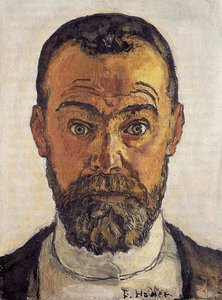
费迪南·霍德勒
1853 - 1918 , 瑞士
快速概览
- 全名: 费迪南·霍德勒
- 出生地点: 伯尔尼,瑞士
- 出生日期: 1853年3月14日
- 去世日期: 1918年5月19日
- 受此艺术家影响的艺术家或运动: ['表现主义']
- 国籍: 瑞士
- 艺术流派或风格: 象征主义, 平行性
- 著名作品: ['夜', '白天', '真理二']