

 实景预览
实景预览
 发送
发送 分享
分享
 详情
详情 指南
指南

 下载图片
下载图片
 相似作品
相似作品 X射线
X射线 幻灯片播放
幻灯片播放 统计数据
统计数据The Soup Kitchen
 Oil On Canvas
- WallArt
- Biedermeier Realism
 1859
1859 94.0 x 122.0 cm
 奧匈藝廊貝爾維德宮
 阅读全文
阅读全文
艺术微喷/版画
博物馆级艺术微喷或帆布版画,制作高效,并提供多种饰面选择。 ( 订购此收藏品的纯手工复刻画作 切换至数字图像销售渠道)




P118B ¥10

P118H ¥10

P118W ¥10

P438Z ¥10

P508JH ¥12

P508YH ¥12

P805H ¥10

P805Z ¥10

P919BZ ¥10

P919G ¥10

P919XJ ¥10

P959ZH ¥10

P968JZ ¥12

W106C ¥8

W218G ¥10

W218JH ¥8

W218Y ¥10

W307PJ ¥10

W316G ¥10

W316PJ ¥8

W316Y ¥10

W398PJ ¥8

W4111J ¥10

W500HY ¥15

W500JH ¥15

W692G ¥12

W849H ¥8

W940BG ¥15

W953PJ ¥8




您可以从与原作比例一致的预设尺寸中进行选择。

请输入您所需的宽度和高度,以适配您的画框或墙面。由于印刷品只能进行裁剪,无法超出原图尺寸,因此若比例不一致,画面的一部分将会被裁切。在正式印刷之前,我们会为您发送一份数字效果图供您确认。本页面显示的图片并非最终裁剪后的效果——只有效果图才能展示真实的裁剪情况。


 玻璃选项仅适用于110厘米以下的尺寸。

The Soup Kitchen
艺术微喷/版画
复刻品尺寸说明
-


总计金额
¥ 537
A Window into Victorian Charity: Ferdinand Georg Waldmüller’s “The Soup Kitchen”
Ferdinand Georg Waldmüller's "The Soup Kitchen," painted in 1859, isn’t merely a depiction of a charitable institution; it’s a poignant snapshot of Victorian society grappling with poverty and the burgeoning role of public assistance. This oil on canvas, now residing within the Österreichische Galerie Belvedere in Vienna, offers a remarkably intimate glimpse into a world often obscured by grand narratives of progress – a world where simple sustenance was a profound act of compassion.
The scene unfolds within a long, echoing hallway, leading the eye towards an arched doorway that hints at a larger, unseen space. The composition is meticulously structured, drawing us immediately to a central group of women and children patiently awaiting their turn for a meal. Waldmüller’s skill lies not just in his realistic portrayal of these figures – their worn clothing, weathered faces, and expressions ranging from quiet hope to weary resignation – but also in the subtle orchestration of light and shadow. The muted palette, dominated by earthy browns, greys, and ochres, creates a somber yet strangely comforting atmosphere, mirroring the hardships faced by those seeking aid.
The Biedermeier Aesthetic: Intimacy and Everyday Life
“The Soup Kitchen” is firmly rooted in the Biedermeier art movement, a reaction against the grandiosity of Neoclassicism. Biedermeier artists prioritized depicting scenes from everyday life – domestic interiors, landscapes, and portraits of ordinary people – with an emphasis on realism and emotional honesty. Waldmüller masterfully embodies this aesthetic, eschewing dramatic poses or heroic narratives in favor of capturing a quiet moment of shared humanity. The painting’s focus isn't on the act of giving, but rather on the receiving—the dignity and resilience displayed by those who rely on charity.
Notice the details: the worn fabric of the women’s dresses, the small hands clutching bowls, the attentive gazes exchanged between neighbors. These seemingly insignificant elements collectively build a powerful narrative of community and mutual support. The artist's careful attention to texture – the rough wool of the clothing, the smooth surface of the tables – further grounds the scene in tangible reality.
Technique and Composition: A Masterclass in Realism
Waldmüller’s technical prowess is evident throughout the painting. He employs a meticulous approach to rendering form and light, utilizing subtle gradations of color to create a sense of depth and volume. The long hallway, with its receding perspective, draws the viewer into the scene, while the arched doorway offers a tantalizing glimpse beyond – perhaps symbolizing hope or the promise of a brighter future.
The composition is carefully balanced, with the central group of figures anchoring the scene and the background elements providing context. The use of horizontal lines—the hallway floor, the tables—creates a sense of stability, while the verticality of the doorway suggests aspiration. Waldmüller’s ability to capture both the physical details and the emotional nuances of his subjects is truly remarkable.
Symbolism and Historical Context: A Reflection of Victorian Society
“The Soup Kitchen” isn't simply a record of poverty; it’s a commentary on the social conditions of 19th-century Vienna. The rise of industrialization and urbanization had led to widespread unemployment and poverty, creating a significant need for charitable institutions like soup kitchens. These spaces offered not just food but also a sense of community and dignity to those who were marginalized by society.
Interestingly, Waldmüller’s work resonates with the style of Hans Makart, another prominent Austrian painter known for his dramatic landscapes and portraits. However, while Makart often depicted heroic figures and grand scenes, Waldmüller focuses on the quiet dignity of everyday life—a subtle yet powerful shift in artistic perspective. The painting serves as a poignant reminder of the social challenges faced by Victorian society and the importance of compassion and empathy.
High-quality reproductions of “The Soup Kitchen” are available through OriginalUniqueArt.com, allowing art enthusiasts to bring this evocative masterpiece into their homes and connect with its powerful message. The original resides at the Österreichische Galerie Belvedere in Vienna, a testament to Waldmüller’s enduring legacy.
问答详情
在 1859 年创作“The Soup Kitchen”时,费迪南德·格奥尔格·瓦尔德米勒 的年龄是多少?
费迪南德·格奥尔格·瓦尔德米勒 在 66 岁时创作了《The Soup Kitchen》。艺术家出生于 1793,该作品创作于 1859 年。
原件"The Soup Kitchen"的尺寸是多少?
费迪南德·格奥尔格·瓦尔德米勒 的《The Soup Kitchen》 的记录尺寸为 94 x 122 cm。您也可以按比例定制其他尺寸的复制品。
“The Soup Kitchen”背后的艺术家与艺术风格是哪些?
"The Soup Kitchen" 由 费迪南德·格奥尔格·瓦尔德米勒 以 Biedermeier Realism 流派风格创作而成。艺术家与艺术流派共同定义了作品的传承。
艺术家简介
早年生活与艺术启蒙
1793年1月15日,费迪南德·格奥尔格·瓦尔德米勒(Ferdinand Georg Waldmüller)出生于奥地利维也纳,那是一个社会剧变与艺术思潮交织的时代。然而,他的童年却笼罩在艰辛的阴影之下;父亲的英年早逝给家庭带来了沉重的打击,也让年幼的费迪南德过早地感知到了生命的脆弱与无常——这种对生命不确定性的深刻体悟,后来成为了他艺术创作中挥之不去的灵魂主题。尽管身处逆境,瓦尔德米勒在绘画与素描方面展现出了惊人的天赋,并于1807年考入了维也纳美术学院。然而,他在学业上的表现并不稳定,这或许反映了他那颗不安分的灵魂,亦或是对当时僵化的学院派教条所持的抵触情绪。起初,他倾向于创作肖像画,因为对于渴望赞助的艺术新秀而言,这是一条稳健的生计之路;但真正俘获他想象力的,却是风景画与风俗画中那抹关于日常生活的迷人光影。正是对这些题材的痴迷,最终铸就了他伟大的艺术传奇。这些早期的探索为他日后形成的风格奠定了基石:一种以细致入微的观察和与自然世界深层连接为特征的艺术语言。在现实主义与争议中锻造的职业生涯
瓦尔德米勒的艺术生涯是一场艺术创新与体制阻力之间激烈的动态博弈。在成名初期,他通过担任舞台美术设计师并继续创作肖像画来维持生计,期间常随妻子——女歌手卡塔琳娜·魏德纳(Katharina Weidner)四处巡演。这种漂泊的生活让他接触到了多元的自然环境,极大地拓宽了艺术视野。到了19世纪20年代,瓦尔德米勒开始形成鲜明的个人风格——致力于写实地描绘日常生活,尤其是乡村景致。他并不热衷于理想化或浪漫化的粉饰,而是试图捕捉世界最真实的原貌,包含其所有的美丽与瑕疵。这种对现实主义的执着既为他赢得了赞誉,也招致了批评。1819年,他获得了维也诞美术学院的教授职位,但他的任期却充满了冲突。瓦尔德米勒热衷于倡导直接面对自然的观察——即外光派(plein air)绘画,并公开抨击学院派过度强调公式化教学和墨守陈规的做法。这种直言不讳的态度导致他与艺术权威阶层多次发生冲突,最终导致他在1857年被迫退休。自1825年起,他频繁前往意大利,以及对萨尔茨卡默古特(Salzkammergut)田园风光的描绘,深刻影响了他的风景画创作,使他捕捉光影、质感与氛围的能力达到了惊人的精准度。乡村生活的主题与社会评论
瓦尔德米勒的艺术产出极其丰富,涵盖了肖像、风景及风俗画等多种题材,但一个共同的脉络贯穿其中:他对19世纪奥地利社会现实的深刻介入。例如其早期的风俗画作《威尼斯水果商》(1826),展现了他捕捉日常生活中转瞬即逝瞬间的高超技艺;而他1828年的自画像则揭示了他对人类心理及性格细微差别的敏锐洞察。《露易丝·迈耶》(1836)见证了他肖像画创作的巅峰造诣,而《伊施尔风景》(1838)则展示了他不断进化的风景表现力。然而,真正让他脱颖而出的,是如《万圣节》(1839)、《情书》(1849)以及《沐浴的妇女》(约1848–1849)等作品。这些画作并非仅仅是对乡村生活的如画描绘,它们蕴含着深刻的社会批判视角,微妙地揭示了普通民众所面临的苦难——贫困的影响、命运的不幸以及复杂的家庭关系。他并不回避表现生活中不那么光鲜的一面,相比于当时典型的学院派艺术,他为社会提供了一种更加诚实且富有层次感的呈现。遗产与历史地位
费迪诞·格奥尔格·瓦尔德米勒被公认为比德迈风格(Biedermeier)时期最重要的奥地利画家之一。他对自然观察和外光派绘画的坚定追求,预示了数十年后印象派将带来的诸多艺术变革。他挑战了当时对乡村生活的传统刻画方式,为原本充斥着理想化意象的题材注入了现实主义与社会评论的灵魂。尽管其职业生涯充满了批评与挫折——包括被学院迫害退休——但瓦尔德米勒的作品最终赢得了国际性的认可。他的艺术成就曾在1855年巴黎世博会和1856年白金汉宫展览中达到顶峰,并分别获得了拿破仑三世皇帝和维多利亚女王的赞赏。1865年8月23日,他在欣特布吕尔(Hinterbrühl)去世前不久被封为骑士,这是对其艺术贡献迟到的褒奖。瓦尔德米勒的遗产早已超越了他个人的画作本身;他以细腻的现实主义、对日常题材的关注以及挑战现状的勇气,影响了几代艺术家。在奥地利艺术史上,他始终是一位举足轻重的核心人物——一位为风景画与风俗画开辟新路径的真正先驱。
费迪南德·格奥尔格·瓦尔德米勒
1793 - 1865 , 奥地利
快速概览
- Artistic Movement Or Style: 比德迈式, 写实主义
- Artists Or Movements Influenced By This Artist: 印象派
- Date Of Birth: 1793年1月15日
- Date Of Death: 1865年8月23日
- Full Name: 费迪南德·格奥尔格·瓦尔德米勒
- Nationality: 奥地利
- Notable Artworks:
- 威尼斯水果商
- 自画像
- 露易丝·迈耶
- 伊施尔风景
- 万圣节
- 情书
- 沐浴的妇女
- Place Of Birth: 奥地利,维也纳
相关文章

The Enduring Legacy of Oil on Canvas: Technique, History & Aesthetic Impact
Explore the rich history & techniques of oil painting – from Renaissance masters to Impressionism. Discover pigments, layering methods, and why this timeless medium endures. Expert insights for artists & art enthusiasts.

Oil on Canvas: A Historical & Technical Exploration of a Timeless Artistic Medium
Explore the rich history & enduring techniques of oil painting on canvas. Discover the science behind its longevity, conservation practices, and contemporary relevance. Expert insights for art enthusiasts.

The Enduring Power of Painting: A Historical & Contemporary Exploration of Form and Emotion
Explore the rich history & enduring techniques of oil painting with OriginalUniqueArt. Discover masterpieces, learn about art collecting, and find authentic handmade reproductions crafted by skilled artists.
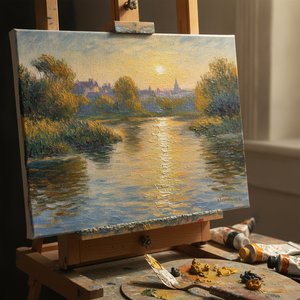
The Soul of Impressionism: Why Oil on Canvas Captures Eternal Light and Timeless Emotion
Discover the enchanting alchemy of Impressionism. Explore how the mastery of oil on canvas, through glazing and impasto, captures eternal light and emotion. Perfect for lovers of Monet and Van Gogh seeking the profound depth of hand-painted fine art.

画布上的流光溢彩:油画技法、历史沿革与当代实践
深入探索油画技法的历史沿革,从文艺复兴到卡拉瓦乔的革命性创新。了解多层涂布技术如何塑造色彩与光影,并洞悉当代油画实践中的传统与突破。OriginalUniqueArt为您提供专业的艺术品咨询和定制服务。