

 效果预览
效果预览
 分享
分享 分享
分享
 详情
详情

 下载
下载
 相似作品
相似作品 X射线
X射线 幻灯片播放
幻灯片播放 统计数据
统计数据Pierrot the Photographer


 展开详情
展开详情
艺术微喷/版画
博物馆级艺术微喷或帆布版画,制作高效,并提供多种饰面选择。 ( 购买手绘画作 切换至数字图像销售渠道)




P118B $10

P118H $10

P118W $10

P438Z $10

P508JH $12

P508YH $12

P805H $10

P805Z $10

P919BZ $10

P919G $10

P919XJ $10

P959ZH $10

P968JZ $12

W106C $8

W218G $10

W218JH $8

W218Y $10

W307PJ $10

W316G $10

W316PJ $8

W316Y $10

W398PJ $8

W4111J $10

W500HY $15

W500JH $15

W692G $12

W849H $8

W940BG $15

W953PJ $8




从与原作比例一致的预设尺寸中进行选择。

您可以输入自定义尺寸,以适配特定的画框或空间。如果您选择的尺寸与原图比例不符,我们将对作品进行裁剪,或通过镜像填充/纯色填充边缘的方式来扩展图像。在开始制作之前,我们会向您发送一份数字效果图供您确认。
请注意,屏幕上的预览并不能反映实际的裁剪或扩展效果。只有效果图才能准确展示最终的构图。
虽然我们提供定制尺寸,但为了保持原图比例,我们建议您从预设列表中选择尺寸。


 玻璃选项仅适用于110厘米以下的尺寸。

Pierrot the Photographer
艺术微喷/版画
复制品尺寸
-


最终总价
$ 80
The Enigmatic Figure: Unveiling “Pierrot the Photographer”
Félix Nadar’s “Pierrot the Photographer,” created in 1854, isn't merely a portrait; it’s a meticulously constructed tableau vivant—a staged scene brimming with quiet observation and subtle commentary on the burgeoning world of photography. The image immediately draws the eye to Pierrot, a figure both familiar and unsettlingly modern, holding a camera poised as if capturing not just a likeness but an essence. He embodies the nascent spirit of the photographer himself – a blend of artist, observer, and documentarian, all wrapped in the playful guise of a traditional clown. The photograph’s power lies not simply in its technical execution, but in the carefully orchestrated narrative it presents, inviting us to contemplate the very nature of representation and identity.
The work's historical context is crucial to understanding its significance. Nadar was a pioneer, pushing against the conventions of portraiture prevalent during the mid-19th century. He rejected the opulent backdrops and theatrical poses favored by his contemporaries, instead opting for natural light and an intimate approach that prioritized capturing the sitter’s personality. “Pierrot the Photographer” exemplifies this shift—a deliberate departure from traditional formality, suggesting a new era of visual storytelling.
A Dance of Light and Shadow: Technical Details & Artistic Choices
Examining the photographic process reveals layers of artistry. “Pierrot the Photographer” was undoubtedly produced using one of the early wet collodion techniques, a demanding method requiring immediate development after exposure. This explains the image’s distinctive grainy texture—a hallmark of photographs from this period—and the subtle variations in tone that contribute to its aged and evocative quality. The careful control of light is particularly noteworthy; diffused illumination creates a soft, almost melancholic atmosphere, highlighting the textures of Pierrot's costume and casting gentle shadows that add depth and dimension.
Nadar’s compositional choices further enhance the photograph’s impact. The tripod, a stark vertical element, anchors the scene while simultaneously creating a sense of formality and precision. Pierrot’s slight tilt of his head—a subtle gesture of engagement—draws us into the frame, inviting us to share in his moment of observation. The two indistinct figures in the background offer a hint of context without disrupting the central focus, suggesting a studio setting and hinting at the collaborative nature of photographic production.
Symbolism & Emotional Resonance: Beyond the Surface
“Pierrot the Photographer” is rich with symbolic meaning. The clown costume itself—a traditional symbol of playfulness and theatricality—contrasts sharply with the seriousness of the act of photography, creating a fascinating tension. The camera becomes an extension of Pierrot’s personality, transforming him into both subject and observer. The image speaks to the evolving role of the photographer in society – moving from mere recorder of reality to active participant in shaping it.
Furthermore, the photograph evokes a sense of nostalgia and timelessness. Its aged appearance—the subtle imperfections and tonal variations—suggests that it has witnessed countless moments, carrying with it the weight of history. “Pierrot the Photographer” is not simply a portrait; it’s a meditation on memory, identity, and the enduring power of visual representation.
A Legacy in Reproduction: Bringing Nadar's Vision to Life
Reproductions of “Pierrot the Photographer” offer a unique opportunity to experience the artistry of Félix Nadar firsthand. The meticulous detail captured in this early photograph—the textures of the costume, the subtle nuances of light and shadow—are faithfully reproduced in high-quality prints, allowing viewers to appreciate the depth and complexity of Nadar’s vision. Whether displayed as a statement piece in a contemporary interior or studied as an historical artifact, this iconic image continues to captivate and inspire.
艺术家简介
Félix Nadar:摄影艺术的先驱
早年生活与艺术启蒙
- 出生背景: 1820年4月5日,加斯帕德-费利克斯·图纳雄(Gaspard-Félix Tournachon)诞生于巴黎(尽管也有资料记载其出生于里昂)。
- 他的父亲维克多·图纳雄是一位印刷商兼书商。
- 他最初致力于医学研究,但在父亲去世后,由于经济拮据,不得不放弃了医学梦想。
- 后来,他以Nadar这一艺名开启了他的艺术生涯,作为一名漫画家和小说家,活跃于各类报刊之中。
从漫画创作到摄影探索
- 大约在1853年,他开始尝试摄影实验。
- 1854年,他在圣拉扎尔路113号开设了第一家摄影工作室,随后于1860年迁至卡普辛大道35号。
- 凭借其极具冲击力且富有心理洞察力的肖像作品,他迅速赢得了广泛赞誉。
- 打破传统: Nadar 摒弃了当时肖像画中常见的华丽背景,转而追求自然光影,致力于捕捉被摄者内在的灵魂与个性。
开创性的航拍艺术
- 1858年,Nadar 成为历史上首位利用热气球进行航拍的人。
- 为了克服在高空环境下显影摄影底片的技术难题,他发明了一种用于气球篮筐的防气棉罩。
- 此外,他还率先在摄影中应用人工照明技术,其中最著名的案例是在巴黎地下墓穴进行的拍摄。
- Le Géant(巨人号): 1863年,他委托建造了一只名为“Le Géant”的巨型气球,这一壮举直接启发了儒勒·凡尔纳的名著《气球上的五星期》。
卓越成就与深远影响
- 肖像艺术: 他的镜头记录了无数时代伟人,包括维克多·雨果、查尔斯·波德莱尔、莎拉·伯恩哈特以及居斯塔夫·库尔贝。
- 在1870至1871年的巴黎围城期间,他利用气球飞行建立了世界上首个航空邮件服务。
- 1874年,他在自己的工作室举办了第一届印象派展览,为当时崭露头角的艺术家们提供了至关重要的展示平台。
- 1886年,他发表了被视为历史上首篇“摄影访谈”的作品,受访者是化学家米歇尔·欧仁·谢弗勒。
晚年生活与艺术遗产
- 从1895年至1909年,他将工作室迁往马赛。
- 1910年3月20日,他在巴黎逝世,并安葬于拉雪兹神父公墓。
- 在他去世后,其子保罗·纳达尔(Paul Nadar)继续经营着这家工作室。
- Quand j’étais photographe(当我还是摄影师时): 他出版了这部回忆录,通过对自身生活与创作的回顾,为研究19世纪摄影史提供了极其珍贵的视角。
- 历史意义: Nadar 的创新技术与艺术远见深刻影响了摄影作为一种艺术形式的发展。他的肖像作品至今仍是巴黎知识分子与艺术界最具标志性的时代缩影。
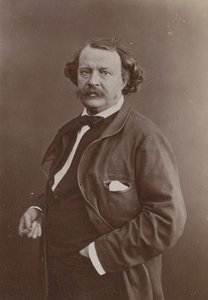
费利克斯·纳达尔
1820 - 1910 , 法国
艺术家简介
- Birth Date: 1820年4月5日
- Death Date: 1910年3月20日
- Influenced: ['儒勒·凡尔纳']
- Movement:
- 摄影
- 漫画
- 印象派(相关)
- Name: 费利克斯·纳达尔
- Nationality: 法国
- Notable Works:
- 波德莱尔、雨果、德拉克罗瓦肖像
- 航拍摄影
- 与舍夫勒的摄影访谈
相关文章

Beyond the Lens: Photography's Enduring Influence on Modern & Contemporary Art
Explore photography's pivotal role in shaping modern & contemporary art. Discover key movements, influential artists like Stieglitz, and expert collecting advice from OriginalUniqueArt.
Beyond Color: The Timeless Power and Artistry of Black and White Photography
Explore the profound artistry of black and white photography. From the chemistry of gelatin silver to the chiaroscuro of the Old Masters, discover how monochrome captures the eternal essence of light, form, and emotion for the discerning art collector.
Timeless Shadows: The Artistry, History, and Emotional Resonance of Black and White Photography
Explore the profound artistry of black and white photography. From historical mastery to the interplay of light and shadow, discover how monochrome captures timeless emotion and form through a sophisticated lens of art history.

Beyond the Portrait: Félix Nadar & the Psychological Depths of 19th-Century Photography
Explore the revolutionary photography of Félix Nadar – pioneer of portraiture, aerial imaging & psychological depth. Discover his iconic portraits of Baudelaire, Hugo & more. A deep dive into 19th-century art history.

Monochrome Visions: Exploring the Aesthetic & Historical Significance of Black & White Photography
Explore the rich history & artistic power of black and white photography. From early techniques to iconic masters like Ansel Adams, discover why monochrome continues to captivate art lovers today. Expert insights for collectors.