

 效果预览
效果预览
 购买印刷品
购买印刷品 分享
分享 分享
分享
 详情
详情

 下载
下载
 相似作品
相似作品 X射线
X射线 幻灯片播放
幻灯片播放Still Life

 展开详情
展开详情




































从与原作比例一致的预设尺寸中进行选择。

您可以输入自定义尺寸,以适配特定的画框或空间。如果所选尺寸与原图比例不符,我们将通过裁剪作品或添加手绘元素来扩展画面。数字样稿将在制作开始前发送给您确认。
请注意,屏幕预览无法准确反映实际的裁剪或扩展效果,只有样稿才能真实呈现最终的构图。
虽然我们提供定制尺寸服务,但为了保留原作比例,建议您从预设列表中选择尺寸。
下单后,OriginalUniqueArt.com 团队将通过电子邮件联系客户获取具体要求,并提供效果预览图。


 玻璃选项仅适用于110厘米以下的尺寸。

Still Life
复制材质
复制品尺寸
-


最终总价
$ 300
艺术家简介
A Quiet Pioneer of Still Life
Fede Galizia (c. 1578 – c. 1630) stands as a remarkable figure in the Italian Renaissance, particularly celebrated for her contributions to the burgeoning genre of still life painting—a field where she bravely ventured into uncharted artistic territory. Born in Milan, likely around 1578, Galizia’s artistic journey began under the tutelage of her father, Nunzio Galizia, a skilled miniaturist who instilled in her a meticulous attention to detail and an appreciation for capturing naturalistic beauty. Even at the tender age of twelve, Galizia demonstrated considerable talent, earning recognition from Gian Paolo Lomazzo, a prominent painter and art theorist whose observations underscored the importance of familial artistic heritage.
Galizia’s early life was marked by immersion in the artistic traditions of her time. Her father's influence extended beyond mere instruction; it fostered within her an instinctive understanding of how to㜿translate observation into evocative visual representations. This dedication culminated in her ability to depict subjects with remarkable realism, notably incorporating intricate details like jewelry and clothing—a characteristic that quickly established her as a highly sought-after portrait painter amongst Milanese patrons. Frequently commissioned to portray both religious and secular themes, Galizia’s artistic versatility showcased her adaptability to diverse stylistic demands.
Mastery of Light and Form
As her career progressed, Galizia moved beyond the confines of portraiture to become a foundational architect of the still life genre. Her work represents a fascinating bridge between the structured precision of Mannerism and the dramatic, emotive light of the emerging Baroque period. In her celebrated compositions, such as her 1607 and 1610 works, she mastered the art of presenting vibrant fruit and delicate flowers against deep, dark backgrounds. This technique created a profound sense of depth and presence, allowing each element—a glistening grape, a textured peach, or a wilting petal—to emerge from the shadows with startling clarity.
Her ability to manipulate light was not merely a technical feat but a narrative tool. By focusing on the tactile qualities of her subjects, she invited viewers into a sensory experience that celebrated the ephemeral beauty of the natural world. This mastery is particularly evident in her ability to blend Mannerist precision with Baroque luminosity, creating works that feel both mathematically balanced and emotionally resonant.
Legacy and Historical Significance
The historical significance of Fede Galizia lies in her role as a trailblazer for female artists and a pioneer of a new way of seeing. While many of her contemporaries focused on grand historical or religious narratives, Galizia found profound meaning in the quiet, often overlooked details of everyday existence. Her 1596 rendition of Judith with the Head of Holofernes—now housed at the Ringling Museum of Art—serves as a testament to her command over dramatic composition and the intense psychological weight achievable through still life elements.
Through her meticulous craftsmanship, Galizia left an indelible mark on the Milanese art scene and the broader trajectory of European painting. Her contributions can be summarized by several key artistic milestones:
- Pioneering Still Life: She was one of the first Italian artists to elevate the depiction of inanimate objects to a high art form.
- Technical Versatility: Her transition from a skilled miniaturist and portraitist to a master of complex fruit and floral compositions.
- Stylistic Synthesis: The seamless integration of late Renaissance Mannerism with the burgeoning Baroque aesthetic.
- Cultural Impact: Establishing a lasting legacy for female painters within the rigorous artistic hierarchies of the 16th and 17th centuries.
Today, Galizia is remembered not just as a talented daughter of a miniaturist, but as a visionary who found the infinite within the infinitesimal, turning simple botanical subjects into enduring masterpieces of Italian art.

Fede Galizia
1578 - 1630 , Italy
艺术家简介
- Artistic Movement Or Style: Renaissance
- Artists Or Movements Influenced By This Artist: ['Angelica']
- Artists Who Influenced This Artist: ['Nunzio Galizia']
- Date Of Birth: Milan, Italy (c. 1578)
- Date Of Death: Milan, Italy (c. 1630)
- Full Name: Fede Galizia
- Nationality: Italian
- Notable Artworks:
- Judith and Holofernes
- Paolo Morigia
- Place Of Birth: Milan
相关文章
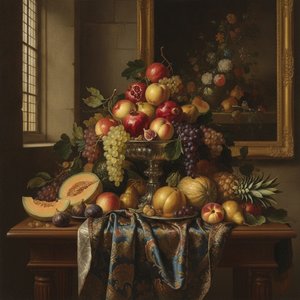
Nature's Bounty: The Art History of Fruit Arrangement Masterpieces and the Baroque Still Life Tradition
Explore the profound beauty of fruit arrangement masterpieces. From Dutch Golden Age opulence to Baroque chiaroscuro, discover the art history, symbolism, and timeless elegance of classical still life paintings for the discerning collector.

Drama and Light: A Definitive Guide to the Italian Baroque Masterpieces and the Revolution of Chiaroscuro
Explore the dramatic world of Italian Baroque art. Discover how masters like Caravaggio used chiaroscuro and tenebrism to revolutionize painting through light, shadow, and profound realism. A definitive guide for history lovers and art collectors.

The Bountiful Still Life: Symbolism & Artistic Representation of Fruit Across Art History
Explore the rich history of still life painting & the symbolism of fruit across art movements. Discover masterpieces from Caravaggio to Cézanne with OriginalUniqueArt – expert guidance & museum-quality reproductions.
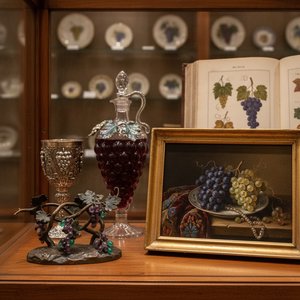
The Art of the Vine: Curating Exquisite Masterpieces Featuring Grapes for the Discerning Collector
Embark on a visual journey through the world's most exquisite grape-themed masterpieces. Discover the technical brilliance of Baroque masters and learn how to curate timeless, hand-painted oil reproductions for your luxury collection with OriginalUniqueArt.com.

巴洛克艺术巅峰:十部巨作定义时代,点亮您的臻品格调
探索巴洛克艺术的辉煌!本文精选十部巨作,带您领略卡拉瓦乔、伦勃朗等大师的光影魔法与戏剧张力。从黄金时代到宗教绘画,感受奢华与精致。OriginalUniqueArt.com为您提供博物馆品质的艺术复制品和家居装饰灵感。尽在OriginalUniqueArt.com!

