 效果预览
效果预览
 购买手绘画作
 分享
分享 分享
分享
 详情
详情

 下载
下载
 相似作品
相似作品 X射线
X射线 幻灯片播放
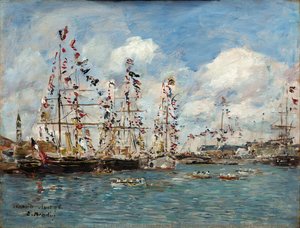
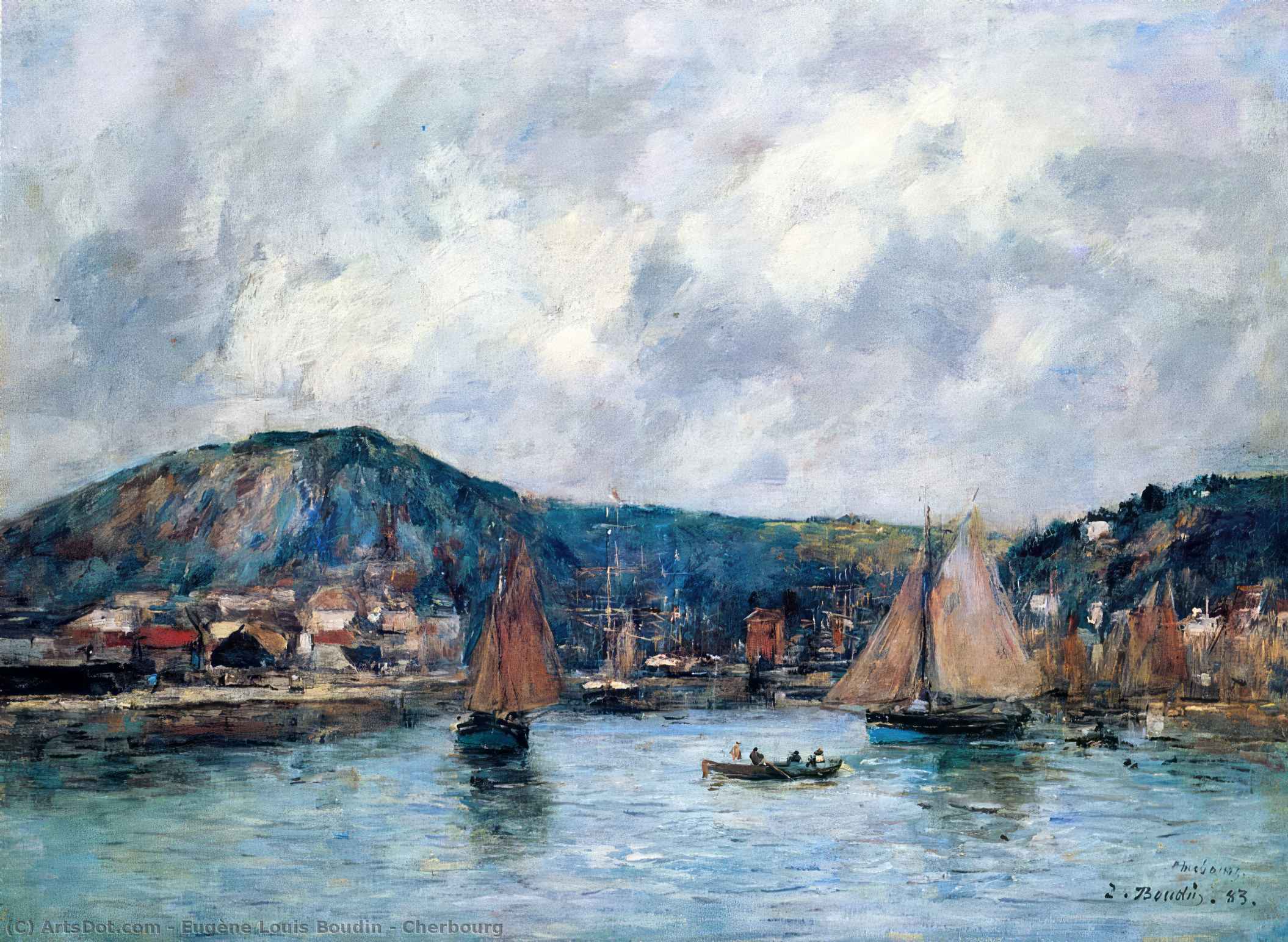
幻灯片播放Cherbourg
 Acrylic On Canvas
- WallArt
- Impressionist Landscape
 1883
1883- 19th Century
 56.0 x 41.0 cm
 展开详情
展开详情




P118B $10

P118H $10

P118W $10

P438Z $10

P508JH $12

P508YH $12

P805H $10

P805Z $10

P919BZ $10

P919G $10

P919XJ $10

P959ZH $10

P968JZ $12

W106C $8

W218G $10

W218JH $8

W218Y $10

W307PJ $10

W316G $10

W316PJ $8

W316Y $10

W398PJ $8

W4111J $10

W500HY $15

W500JH $15

W692G $12

W849H $8

W940BG $15

W953PJ $8




从与原作比例一致的预设尺寸中进行选择。

您可以输入自定义尺寸,以适配特定的画框或空间。如果您选择的尺寸与原图比例不符,我们将对作品进行裁剪,或通过镜像填充/纯色填充边缘的方式来扩展图像。在开始制作之前,我们会向您发送一份数字效果图供您确认。
请注意,屏幕上的预览并不能反映实际的裁剪或扩展效果。只有效果图才能准确展示最终的构图。
虽然我们提供定制尺寸,但为了保持原图比例,我们建议您从预设列表中选择尺寸。


 玻璃选项仅适用于110厘米以下的尺寸。

Cherbourg
艺术微喷/版画
复制品尺寸
-


最终总价
$ 80
藏品详情
A Moment of Maritime Leisure: Eugène Boudin’s *Cherbourg*
Eugène Louis Boudin's 1883 painting, *Cherbourg*, is more than just a depiction of a harbor scene; it’s a poignant capture of the fleeting beauty of light and water, a hallmark of Boudin’s lifelong dedication to portraying the maritime world. This intimate canvas, measuring 56 x 41 cm, transports us to the bustling port of Cherbourg, offering a glimpse into a moment of leisure and connection amidst the rhythmic activity of the sea.
- Subject Matter: The painting’s subject is straightforward – a harbor scene brimming with sailboats. However, Boudin elevates this familiar theme through his meticulous observation and sensitive rendering of light and atmosphere.
- Composition: The arrangement of boats—ranging from small skiffs to larger vessels—creates a dynamic sense of depth and movement. The inclusion of figures near the center adds a human element, suggesting the harbor’s role as a social hub.
The Impressionist Vision
Boudin is widely considered one of the pioneers of Impressionism, predating many of the movement's more famous adherents. His work exemplifies the core tenets of this revolutionary style: an emphasis on capturing immediate sensory impressions rather than striving for photographic realism. Like Monet and Renoir, Boudin was deeply concerned with the effects of light – particularly its transient qualities – upon surfaces. *Cherbourg* is a testament to his ability to translate these fleeting moments onto canvas. The brushstrokes are loose and visible, contributing to the painting’s vibrant energy and sense of spontaneity. This technique, prioritizing optical perception over precise detail, was revolutionary for its time.
Historical Context & Boudin's Journey
Born in 1824 in Honfleur, a historic port town renowned for its artistic community, Boudin’s life was inextricably linked to the sea. His father, a harbor pilot, instilled within him an early appreciation for the maritime world, shaping his artistic trajectory profoundly. Boudin's career began not with formal training but through direct experience – he spent years working as a steamboatman, observing and sketching the ever-changing conditions of the water. This practical knowledge, combined with his innate sensitivity to light and color, formed the foundation of his unique style. The painting’s creation in 1883 reflects Boudin's mature artistic vision, honed through decades of dedicated observation and practice.
Symbolism & Emotional Impact
*Cherbourg* evokes a profound sense of tranquility and connection to nature. The shimmering reflections on the water, the gentle movement of the sailboats, and the presence of human figures all contribute to this feeling of serenity. The painting’s muted palette – dominated by blues, greens, and greys – further enhances its atmospheric quality, creating an illusion of depth and distance. It's a scene that invites contemplation, reminding us of the timeless beauty found in simple moments of leisure by the water. This reproduction offers a chance to own a piece of art history, capturing not just a harbor view but also Boudin’s profound understanding of light, atmosphere, and the human connection to the sea.
艺术家简介
Early Life and Artistic Beginnings
Eugène Louis Boudin, born in July 12th, 1824 in Honfleur, France, possessed a destiny inextricably linked to the sea. His father, a harbor pilot, instilled within him an early appreciation for the ever-changing moods and captivating beauty of the maritime world. This formative influence would become the cornerstone of Boudin’s artistic vision. Rather than pursuing a traditional academic path, young Eugène began his working life aboard a steamboat traversing between Le Havre and Honfleur at the tender age of ten. It was during these voyages that he first felt compelled to capture the fleeting impressions of light and water with sketches in the margins of his books—the nascent stirrings of a lifelong passion. The family’s subsequent move to Le Havre, where his father established a shop for stationery and picture frames, further immersed Boudin in an artistic environment. He worked alongside his father, eventually opening his own small shop, which brought him into contact with local artists like Constant Troyon and Jean-François Millet, who encouraged his burgeoning talent. These early encounters proved pivotal, steering him away from commerce and towards a dedicated life of painting.Developing a Unique Style: Plein Air Painting and Influences
Boudin’s artistic development was profoundly shaped by several key influences. A crucial turning point came with his introduction to Johan Jongkind, a Dutch painter who championed the practice of en plein air—painting outdoors directly from nature. This revolutionary approach allowed Boudin to capture the ephemeral qualities of light and atmosphere with unprecedented immediacy. He embraced this technique wholeheartedly, becoming adept at rendering the subtle nuances of sky and sea. His style also drew inspiration from the 17th-century Dutch masters, whose meticulous attention to detail and atmospheric perspective resonated deeply with his own artistic sensibilities. Boudin’s pastels—characterized by their summary yet evocative brushwork—quickly garnered recognition. Critics like Charles Baudelaire lauded his ability to convey the essence of a scene with remarkable economy, while Camille Corot affectionately dubbed him “the king of the skies,” acknowledging his mastery of atmospheric effects. He meticulously studied the works of Rembrandt and Vermeer, absorbing their masterful use of chiaroscuro and their profound understanding of human emotion.Impressionism and Lasting Legacy
Though often categorized alongside the Impressionists, Boudin’s relationship with the movement was nuanced. He participated in the first Impressionist exhibition in 1874, showcasing his work alongside Claude Monet and other avant-garde artists. However, he never fully identified as an “Impressionist,” maintaining a more traditional approach to composition and technique. Nevertheless, his influence on the development of Impressionism was undeniable. Most notably, Boudin served as a mentor to a young Claude Monet, instilling in him a love for painting outdoors and encouraging him to abandon academic conventions in favor of capturing fleeting impressions of light and color. Monet himself credited Boudin with fundamentally shaping his artistic vision, stating that Boudin had “torn the veil from my eyes” and revealed the true potential of landscape painting. Throughout his career, Boudin received numerous accolades, including a third-place medal at the Paris Salon in 1881 and a gold medal at the 1889 Exposition Universelle. In 1892, he was knighted into the Légion d’honneur—a testament to his enduring contribution to French art.Major Works and Artistic Themes
Boudin's oeuvre is characterized by a deep connection to the sea and coastal landscapes of Normandy. Still Life with Lobster on a White Tablecloth, now housed at the High Museum of Art in Atlanta, exemplifies his somber yet noble approach to still life painting, imbued with a sense of quiet contemplation. His beach scenes—populated with figures enjoying leisurely pursuits—capture the vibrancy and vitality of seaside life. Honfleur, the Saint Catherine Market Place showcases his skill at depicting bustling urban environments bathed in natural light. Boudin consistently explored themes of transience, atmosphere, and the interplay between humanity and nature. He possessed an exceptional ability to convey the subtle shifts in weather and light, creating paintings that evoke a powerful sense of place and mood. His dedication to capturing these fleeting moments solidified his reputation as a master of atmospheric perspective and a pioneer of plein air painting. ##Final Years and Enduring Influence In his later years, Boudin continued to travel extensively, seeking inspiration in Belgium, the Netherlands, and southern France. He also made several visits to Venice, captivated by its unique light and architectural beauty. Despite facing health challenges, he remained remarkably productive, consistently exhibiting his work and mentoring younger artists. Eugène Louis Boudin passed away in August 8th, 1898 at Deauville, overlooking the English Channel that had so profoundly shaped his life and art. His legacy extends far beyond his own paintings; the Eugène Boudin Prize—awarded by the Société Nationale des Beaux-Arts—stands as a lasting tribute to his enduring influence on generations of artists. Today, his works are celebrated in museums worldwide, including the Musée d’Orsay in Paris, which houses several of his most iconic paintings, such as Landscape with Sunset. Boudin's remarkable career serves as a testament to the power of observation, the beauty of nature, and the enduring allure of the sea.
欧几何·布迪恩
1824 - 1898 , 法国
艺术家简介
- Artistic Movement Or Style: 印象派
- Artists Or Movements Influenced By This Artist: ['克劳德·奥斯卡·莫內']
- Artists Who Influenced This Artist:
- 约翰·扬金德
- 荷兰十七世纪大师
- Date Of Birth: 1824年7月12日
- Date Of Death: 1898年8月8日
- Full Name: Eugène Louis Boudin
- Nationality: 法国人
- Notable Artworks:
- 虾夷扇贝静物画
- 圣凯瑟琳广场风景
- Place Of Birth: 法国圣奥纳尔港
相关文章

OriginalUniqueArt.com F.A.Q.: Elevate Your Decor with Premium Textured Giclée Prints
Discover the distinction of OriginalUniqueArt.com premium textured Giclée prints. Expertly crafted with archival 12-color pigments and museum-grade substrates, our prints offer unparalleled vividness for the discerning collector seeking luxury, durability, and timeless elegance.