

 效果预览
效果预览
 分享
分享 分享
分享
 详情
详情

 下载
下载
 相似作品
相似作品 X射线
X射线 幻灯片播放
幻灯片播放 统计数据
统计数据Five cocottes


 展开详情
展开详情
艺术微喷/版画
博物馆级艺术微喷或帆布版画,制作高效,并提供多种饰面选择。 ( 购买手绘画作 切换至数字图像销售渠道)




P118B $10

P118H $10

P118W $10

P438Z $10

P508JH $12

P508YH $12

P805H $10

P805Z $10

P919BZ $10

P919G $10

P919XJ $10

P959ZH $10

P968JZ $12

W106C $8

W218G $10

W218JH $8

W218Y $10

W307PJ $10

W316G $10

W316PJ $8

W316Y $10

W398PJ $8

W4111J $10

W500HY $15

W500JH $15

W692G $12

W849H $8

W940BG $15

W953PJ $8




从与原作比例一致的预设尺寸中进行选择。

您可以输入自定义尺寸,以适配特定的画框或空间。如果您选择的尺寸与原图比例不符,我们将对作品进行裁剪,或通过镜像填充/纯色填充边缘的方式来扩展图像。在开始制作之前,我们会向您发送一份数字效果图供您确认。
请注意,屏幕上的预览并不能反映实际的裁剪或扩展效果。只有效果图才能准确展示最终的构图。
虽然我们提供定制尺寸,但为了保持原图比例,我们建议您从预设列表中选择尺寸。


 玻璃选项仅适用于110厘米以下的尺寸。

Five cocottes
艺术微喷/版画
复制品尺寸
-


最终总价
$ 80
Five Cocottes: A Descent into Expressionist Anxiety
Ernst Ludwig Kirchner’s “Five Cocottes” is not merely a depiction of five figures; it's a visceral plunge into the turbulent heart of German Expressionism. Executed around 1908, this woodcut print, born from Kirchner’s profound engagement with the anxieties of his era, immediately confronts the viewer with an unsettling dynamism. The composition, deliberately chaotic and crowded, eschews traditional notions of perspective and spatial harmony, opting instead for a flattened, almost claustrophobic space where the figures – likely women – are locked in a silent, palpable struggle. Kirchner’s masterful manipulation of line is central to this effect; thick, jagged lines dominate, not to delineate form with precision, but to convey raw emotion and an underlying sense of unease. The stark contrast between black and white amplifies the drama, creating areas of intense shadow that seem to press in on the figures, mirroring perhaps a psychological state of confinement or distress.
- Style & Movement: Rooted firmly within the Expressionist movement, “Five Cocottes” exemplifies the group’s core tenets – prioritizing subjective emotional experience over objective representation. Kirchner, along with his contemporaries, sought to capture not just what he saw, but how he *felt* about it, and this piece is a potent distillation of that impulse.
- Technique: The artwork's power resides in its meticulous execution as a woodcut print. Kirchner’s process involved carving the image into a meticulously prepared block of wood – a laborious undertaking that demanded both technical skill and artistic vision. This technique, with its inherent graininess and textural qualities, adds another layer to the work’s unsettling atmosphere.
The Language of Distortion: Line and Form
Kirchner's use of line is far more than a stylistic choice; it’s the very language through which he communicates his subject’s emotional state. The angular, almost violent lines that define the figures’ bodies suggest a fractured sense of self, reflecting the anxieties of a society undergoing rapid industrialization and social upheaval. The geometric shapes – triangles, rectangles, sharp angles – are not decorative elements but rather structural components contributing to the overall feeling of agitation. They reinforce the impression of instability and disrupt any attempt at harmonious composition. The deliberate lack of smooth curves or flowing lines further intensifies this sense of unease, mirroring a world perceived as fragmented and chaotic.
- Impact of Woodcut: The woodcut technique itself is crucial to understanding the artwork’s impact. It lends a raw, almost primitive quality to the image, reminiscent of early printmaking traditions while simultaneously reflecting the artist's desire to break free from academic constraints.
- Symbolic Weight: The distorted forms can be interpreted as symbolic representations of alienation and isolation – common themes within Expressionist art.
Historical Context & Kirchner’s Vision
Created during a period of significant social and political change in Germany, “Five Cocottes” reflects the anxieties of a nation grappling with modernity. Kirchner, like many artists of his time, was deeply concerned about the dehumanizing effects of industrialization and the erosion of traditional values. His work is often seen as a response to these concerns, offering a bleak yet profoundly honest portrayal of the psychological toll of modern life. Born in Aschaffenburg in 1880, Kirchner’s early life was marked by instability and displacement, experiences that undoubtedly shaped his artistic vision. He initially studied architecture but quickly gravitated towards painting, finding in it a means to express his innermost thoughts and feelings. His association with other Expressionist artists like Fritz Bleyl further solidified his commitment to this radical approach to artmaking.
Collecting “Five Cocottes”: A Window into the Soul
“Five Cocottes” is more than just an artwork; it’s a powerful statement about the human condition. Its raw emotional intensity and innovative technique make it a compelling addition to any collection, offering a unique glimpse into the mind of one of Germany's most important Expressionist artists. A hand-painted reproduction allows you to bring this evocative piece into your own space, transforming your interior with its haunting beauty and profound psychological depth. Consider this artwork not just as decoration, but as an investment in artistic legacy – a tangible connection to a pivotal moment in the history of modern art.
艺术家简介
挣扎与表达:恩斯特·路德维希·基尔希纳的一生
恩斯特·路德维希·基尔希纳,一个与德国表现主义的原始情感力量紧密相连的名字,诞生于一个正处于剧变边缘的世界。1880年他在阿斯恰芬堡的到来,标志着他生命与艺术创新和个人动荡深刻交织的开端。童年的不断迁徙——由他父亲的职业决定——在他心中埋下了疏离感,这种感觉后来渗透到了他的作品中。从法兰克福到佩伦,最终定居在凯默尼茨,年轻的基尔希纳吸收了迅速现代化的德国日益增长的焦虑。尽管最初被引导走向建筑之路,在德累斯顿的皇家技术学院学习,但绘画的吸引力——源于对阿尔布雷特·丢勒大师的钦佩以及对学术惯例的不满——最终定义了他的道路。他与同伴叛逆者弗里茨·布莱尔、卡尔·施密特-罗特卢夫和埃里希·黑克尔建立了联系,这些纽带将不可避免地改变20世纪艺术的进程。他们共同构想了一种新的艺术形式,一种能够捕捉到现代社会中潜藏的不安与异化的艺术。桥社的诞生:表现主义革命
1905年,基尔希纳成为“桥” (Die Brücke) 艺术家团体的创始成员。“桥”致力于弥合传统美学与更具生命力、情感色彩更浓烈的表达形式之间的差距。这不仅仅是一种风格选择,更是一种哲学立场。这个团体从既定艺术界常常忽视的来源中寻求灵感——非洲和大洋洲的原始艺术、文森特·梵高的大胆色彩以及埃德瓦德·蒙克的令人不安的心理深度。他们拒绝了学术绘画所偏爱的理想化美的表现,转而拥抱扭曲、刺眼的配色方案和富有表现力的笔触,以传达现代生活的焦虑和异化。基尔希纳早期的作品,诞生于这种合作精神中,充满了躁动不安的能量,反映了该群体摆脱艺术束缚的共同愿望。工作室成为了一个实验的熔炉,一个挑战社会规范与艺术惯例的空间。对人体的探索——尤其是女性裸体——在城市和自然环境中反复出现,使基尔希纳能够探究运动、情感以及现代存在的复杂性。都市焦虑与大胆视野:风格的形成
基尔希纳的艺术风格具有独特的辨识度。他运用色彩并非为了忠实地再现现实,而是作为一种唤起情感反应的工具——充满活力、常常是非自然主义的色调,增强了他作品中的不安或紧张感。他的笔触富有能量且可见,为整体营造出一种紧迫感和原始情感。人物和物体经常被扭曲或拉长,反映了一种主观而非客观的现实。也许最重要的是,基尔希纳捕捉到了20世纪初德国都市生活的心理影响。《街道》(1908)等画作不仅仅是城市景观的描绘;它们是疏离感的肖像,捕捉了快速变化的世界中令人疯狂的能量和情感隔离感。他毫不避讳地描绘现代性的阴暗面——孤独、匿名性以及被巨大存在压倒的感觉。这种毫不妥协的目光使他成为一位记录时代的编年史家,一位敢于直面潜藏在社会进步表象之下的焦虑的艺术家。悲剧与遗产:持久的影响
基尔希纳的生活因个人挣扎而蒙上了一层悲剧色彩。一战的恐怖引发了严重的精神崩溃,迫使他前往瑞士寻求慰藉。然而,即使在流亡中,他也继续创作,他的作品反映了他所经历的挥之不去的创伤和孤立感。 纳粹主义的兴起带来了进一步的苦难;超过600件他的作品被没收并贴上“堕落艺术”的标签——这是一个对现代艺术表达政治气候敌视的毁灭性打击。面对迫害和 declining 健康,基尔希纳于1938年在瑞士达沃斯悲惨地结束了自己的生命。尽管如此,恩斯特·路德维希·基尔希纳的遗产仍然具有深远的影响力。他作为德国表现主义的核心人物而存在,以其大胆的风格、富有情感共鸣的现代生活描绘以及对艺术真理的不懈承诺激励着几代艺术家。他的作品继续在世界各地的主要博物馆展出,提醒人们艺术持久的力量,能够直面、挑战并最终照亮人类状况。- 受影响:阿尔布雷特·丢勒, 文森特·梵高, 埃德瓦德·蒙克, 大洋洲和非洲的原始艺术
- 影响:基尔希纳的作品深刻地影响了后世表现主义和现代艺术家。他对心理主题的探索以及他创新性的色彩和形式运用继续激励着当代艺术实践。

恩斯特·路德维希·基尔希纳
1880 - 1938 , 德国
艺术家简介
- Artistic Movement Or Style: 表现主义
- Artists Or Movements Influenced By This Artist:
- 表现主义
- 现代艺术家
- Artists Who Influenced This Artist:
- 阿尔布雷希特·丢勒
- 文森特·梵高
- 爱德华·蒙克
- Date Of Birth: 1880年5月6日
- Date Of Death: 1938年6月15日
- Full Name: 恩斯特·路德维希·基尔希纳
- Nationality: 德国人
- Notable Artworks:
- 街道 (1908)
- 跳舞的舞者 (1912)
- 自画像 (1910)
- 五个女人 (1913)
- Place Of Birth: 阿斯夏芬堡,德国
相关文章

Unmasking Emotion: A Journey Through the Raw Power and Visceral Beauty of German Expressionism
Explore the raw emotional power of German Expressionism. From Kirchner to Die Brücke, discover how artists used distortion and vibrant color to unmask the human psyche. A deep dive into art history for the discerning collector and enthusiast.

German Expressionism's 10 Defining Masterpieces | Art for Your Home
Explore 10 defining German Expressionism masterpieces – from Munch's 'The Scream' to Kandinsky’s abstracts. Discover the artists, stories & bold colors behind this powerful art movement. Find museum-quality reproductions at OriginalUniqueArt.com.

Dark Masterpieces: 10 Iconic Paintings Dominated by Black Tones |
Explore 10 iconic paintings dominated by black tones, from Rembrandt’s chiaroscuro to Goya's dark expressions. Discover the stories behind these masterpieces & find museum-quality art reproductions for your home at .
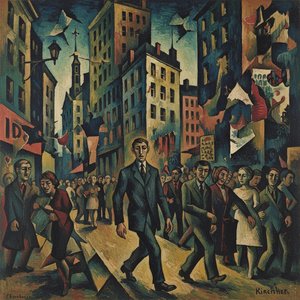
Ernst Ludwig Kirchner: Expressionism's Urban Anxiety & the Fragmentation of Modern Identity
Explore the powerful world of Ernst Ludwig Kirchner and German Expressionism. Discover his iconic paintings, Die Brücke group, and the movement's exploration of urban anxiety & modern identity. Expert analysis for collectors & enthusiasts.
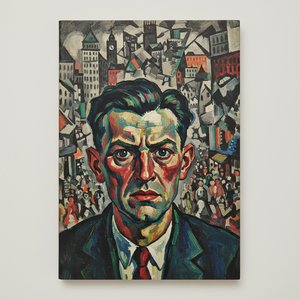
The Vibrant World of Ernst Ludwig Kirchner: A Definitive Guide to German Expressionism
Explore the raw emotion of German Expressionism through a definitive guide to Ernst Ludwig Kirchner. Discover how his bold colors and distorted forms redefined modern art history, from Berlin street scenes to iconic masterpieces.


