

 效果预览
效果预览
 购买手绘画作
 分享
分享 分享
分享
 详情
详情

 下载
下载
 相似作品
相似作品 X射线
X射线 幻灯片播放
幻灯片播放Dance Shool
 Lithograph
- WallArt
- German Expressionism
 1933
1933- 19th Century
 22.0 x 27.0 cm
 展开详情
展开详情




P118B $10

P118H $10

P118W $10

P438Z $10

P508JH $12

P508YH $12

P805H $10

P805Z $10

P919BZ $10

P919G $10

P919XJ $10

P959ZH $10

P968JZ $12

W106C $8

W218G $10

W218JH $8

W218Y $10

W307PJ $10

W316G $10

W316PJ $8

W316Y $10

W398PJ $8

W4111J $10

W500HY $15

W500JH $15

W692G $12

W849H $8

W940BG $15

W953PJ $8




从与原作比例一致的预设尺寸中进行选择。

您可以输入自定义尺寸,以适配特定的画框或空间。如果您选择的尺寸与原图比例不符,我们将对作品进行裁剪,或通过镜像填充/纯色填充边缘的方式来扩展图像。在开始制作之前,我们会向您发送一份数字效果图供您确认。
请注意,屏幕上的预览并不能反映实际的裁剪或扩展效果。只有效果图才能准确展示最终的构图。
虽然我们提供定制尺寸,但为了保持原图比例,我们建议您从预设列表中选择尺寸。


 玻璃选项仅适用于110厘米以下的尺寸。

Dance Shool
艺术微喷/版画
复制品尺寸
-


最终总价
$ 80
藏品详情
Dance Shool by Ernst Ludwig Kirchner: A Study in Expressionist Tension
Ernst Ludwig Kirchner’s “Dance Shool,” created in 1933, is more than just a depiction of a dance class; it's a visceral embodiment of the anxieties and restless energy that defined German Expressionism. Executed as a lithograph or etching – likely utilizing ink on paper – this work immediately commands attention with its stark monochrome palette and aggressively dynamic composition. Measuring 22 x 27 cm, the scale invites an intimate engagement with Kirchner’s intensely personal vision, offering a glimpse into the turbulent emotional landscape of a pivotal moment in art history.
- A Moment Frozen in Motion: The scene captures dancers mid-movement, frozen in a state of apparent exertion and perhaps even struggle. The lack of a clear focal point forces the viewer to navigate the overlapping forms and gestural lines, mirroring the chaotic energy of the studio itself.
- The Language of Line: Kirchner’s masterful use of line is central to the work's impact. Thick, bold strokes define the figures with an almost brutal directness, conveying a sense of immediacy and spontaneity. Variations in line density create subtle shifts in tone, suggesting volume and depth despite the absence of traditional shading techniques.
- Echoes of Expressionism: Rooted firmly within the German Expressionist movement, “Dance Shool” reflects the group’s core tenets – a rejection of academic realism in favor of subjective emotional expression. The distorted forms, elongated limbs, and exaggerated poses are hallmarks of this style, reflecting a desire to capture not just appearances but also the inner turmoil of the human experience.
Technique and Materials: A Manual Process of Emotional Resonance
The creation of “Dance Shool” speaks volumes about Kirchner’s artistic process. As a printmaking technique, likely lithograph or etching, it involved meticulously applying ink to a stone or plate, creating lines that would then be transferred onto the paper. The visible imperfections inherent in this manual process – slight variations in line weight and texture – contribute significantly to the artwork's character, imbuing it with a sense of raw energy and authenticity. The choice of ink on paper further emphasizes the directness of Kirchner’s approach, stripping away any unnecessary embellishment.
- Line as Sculpture: Kirchner treated lines not merely as outlines but as sculptural elements, shaping volume and defining form with a deliberate roughness.
- Contrast and Shadow: The stark black and white palette is expertly manipulated to create dramatic highlights and shadows, intensifying the sense of movement and tension within the composition.
Historical Context and Symbolic Weight
Created in 1933, “Dance Shool” exists within a period of profound social and political upheaval in Germany. The rise of Nazism was casting a long shadow over European culture, and Kirchner’s art reflects the anxieties and uncertainties of the time. While seemingly focused on a simple subject – a dance class – the work carries a deeper symbolic weight, representing perhaps the disruption of traditional values and the disorientation experienced by individuals navigating a rapidly changing world. The figures' strained postures and intense gazes suggest a sense of unease and vulnerability.
Collecting “Dance Shool”: A Statement of Artistic Vision
A hand-painted reproduction of “Dance Shool” offers a unique opportunity to own a piece of art history, imbued with the emotional intensity and stylistic innovation of Ernst Ludwig Kirchner. This artwork is not simply a decorative object; it’s a window into the soul of an artist grappling with profound questions about humanity and modernity. Its dynamic composition and powerful use of line make it a compelling addition to any collection, while its historical significance adds another layer of depth and meaning.
艺术家简介
挣扎与表达:恩斯特·路德维希·基尔希纳的一生
恩斯特·路德维希·基尔希纳,一个与德国表现主义的原始情感力量紧密相连的名字,诞生于一个正处于剧变边缘的世界。1880年他在阿斯恰芬堡的到来,标志着他生命与艺术创新和个人动荡深刻交织的开端。童年的不断迁徙——由他父亲的职业决定——在他心中埋下了疏离感,这种感觉后来渗透到了他的作品中。从法兰克福到佩伦,最终定居在凯默尼茨,年轻的基尔希纳吸收了迅速现代化的德国日益增长的焦虑。尽管最初被引导走向建筑之路,在德累斯顿的皇家技术学院学习,但绘画的吸引力——源于对阿尔布雷特·丢勒大师的钦佩以及对学术惯例的不满——最终定义了他的道路。他与同伴叛逆者弗里茨·布莱尔、卡尔·施密特-罗特卢夫和埃里希·黑克尔建立了联系,这些纽带将不可避免地改变20世纪艺术的进程。他们共同构想了一种新的艺术形式,一种能够捕捉到现代社会中潜藏的不安与异化的艺术。桥社的诞生:表现主义革命
1905年,基尔希纳成为“桥” (Die Brücke) 艺术家团体的创始成员。“桥”致力于弥合传统美学与更具生命力、情感色彩更浓烈的表达形式之间的差距。这不仅仅是一种风格选择,更是一种哲学立场。这个团体从既定艺术界常常忽视的来源中寻求灵感——非洲和大洋洲的原始艺术、文森特·梵高的大胆色彩以及埃德瓦德·蒙克的令人不安的心理深度。他们拒绝了学术绘画所偏爱的理想化美的表现,转而拥抱扭曲、刺眼的配色方案和富有表现力的笔触,以传达现代生活的焦虑和异化。基尔希纳早期的作品,诞生于这种合作精神中,充满了躁动不安的能量,反映了该群体摆脱艺术束缚的共同愿望。工作室成为了一个实验的熔炉,一个挑战社会规范与艺术惯例的空间。对人体的探索——尤其是女性裸体——在城市和自然环境中反复出现,使基尔希纳能够探究运动、情感以及现代存在的复杂性。都市焦虑与大胆视野:风格的形成
基尔希纳的艺术风格具有独特的辨识度。他运用色彩并非为了忠实地再现现实,而是作为一种唤起情感反应的工具——充满活力、常常是非自然主义的色调,增强了他作品中的不安或紧张感。他的笔触富有能量且可见,为整体营造出一种紧迫感和原始情感。人物和物体经常被扭曲或拉长,反映了一种主观而非客观的现实。也许最重要的是,基尔希纳捕捉到了20世纪初德国都市生活的心理影响。《街道》(1908)等画作不仅仅是城市景观的描绘;它们是疏离感的肖像,捕捉了快速变化的世界中令人疯狂的能量和情感隔离感。他毫不避讳地描绘现代性的阴暗面——孤独、匿名性以及被巨大存在压倒的感觉。这种毫不妥协的目光使他成为一位记录时代的编年史家,一位敢于直面潜藏在社会进步表象之下的焦虑的艺术家。悲剧与遗产:持久的影响
基尔希纳的生活因个人挣扎而蒙上了一层悲剧色彩。一战的恐怖引发了严重的精神崩溃,迫使他前往瑞士寻求慰藉。然而,即使在流亡中,他也继续创作,他的作品反映了他所经历的挥之不去的创伤和孤立感。 纳粹主义的兴起带来了进一步的苦难;超过600件他的作品被没收并贴上“堕落艺术”的标签——这是一个对现代艺术表达政治气候敌视的毁灭性打击。面对迫害和 declining 健康,基尔希纳于1938年在瑞士达沃斯悲惨地结束了自己的生命。尽管如此,恩斯特·路德维希·基尔希纳的遗产仍然具有深远的影响力。他作为德国表现主义的核心人物而存在,以其大胆的风格、富有情感共鸣的现代生活描绘以及对艺术真理的不懈承诺激励着几代艺术家。他的作品继续在世界各地的主要博物馆展出,提醒人们艺术持久的力量,能够直面、挑战并最终照亮人类状况。- 受影响:阿尔布雷特·丢勒, 文森特·梵高, 埃德瓦德·蒙克, 大洋洲和非洲的原始艺术
- 影响:基尔希纳的作品深刻地影响了后世表现主义和现代艺术家。他对心理主题的探索以及他创新性的色彩和形式运用继续激励着当代艺术实践。

恩斯特·路德维希·基尔希纳
1880 - 1938 , 德国
艺术家简介
- Artistic Movement Or Style: 表现主义
- Artists Or Movements Influenced By This Artist:
- 表现主义
- 现代艺术家
- Artists Who Influenced This Artist:
- 阿尔布雷希特·丢勒
- 文森特·梵高
- 爱德华·蒙克
- Date Of Birth: 1880年5月6日
- Date Of Death: 1938年6月15日
- Full Name: 恩斯特·路德维希·基尔希纳
- Nationality: 德国人
- Notable Artworks:
- 街道 (1908)
- 跳舞的舞者 (1912)
- 自画像 (1910)
- 五个女人 (1913)
- Place Of Birth: 阿斯夏芬堡,德国
相关文章

高檔藝術品複製技術:Giclée微噴的檔案品質與鑑賞細節
深入了解Giclée微噴技術:檔案品質、色彩還原的專業解析。探索高檔藝術品複製的細節與保存技巧,為您的收藏提供博物館級別的選擇。專家指導,確保完美呈現原作神韻。

Dark Masterpieces: 10 Iconic Paintings Dominated by Black Tones |
Explore 10 iconic paintings dominated by black tones, from Rembrandt’s chiaroscuro to Goya's dark expressions. Discover the stories behind these masterpieces & find museum-quality art reproductions for your home at .

Mastering the Woodcut: A Definitive Guide to the Art of Relief Printing and its Historical Legacy
Explore the profound history and technical mastery of woodcut relief printing. From ancient origins to German Expressionism, discover how artists use the subtractive process to create iconic works. A definitive guide for art students, collectors, and historians.

The Enduring Legacy of Fine Art Prints: Technique, History & Aesthetic Impact
Explore the rich history & techniques of fine art prints. Discover investment potential, assess authenticity, and learn how to preserve your collection with expert guidance. Trusted insights for discerning collectors.
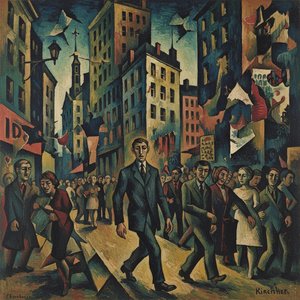
Ernst Ludwig Kirchner: Expressionism's Urban Anxiety & the Fragmentation of Modern Identity
Explore the powerful world of Ernst Ludwig Kirchner and German Expressionism. Discover his iconic paintings, Die Brücke group, and the movement's exploration of urban anxiety & modern identity. Expert analysis for collectors & enthusiasts.



