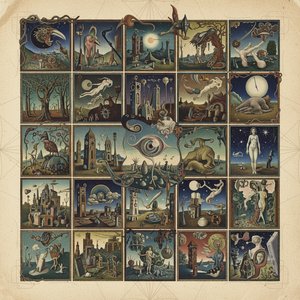
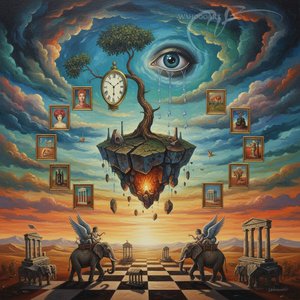
untitled (3545)
从与原作比例一致的预设尺寸中进行选择。
您可以输入自定义尺寸,以适配特定的画框或空间。如果您选择的尺寸与原图比例不符,我们将对作品进行裁剪,或通过镜像填充/纯色填充边缘的方式来扩展图像。在开始制作之前,我们会向您发送一份数字效果图供您确认。
请注意,屏幕上的预览并不能反映实际的裁剪或扩展效果。只有效果图才能准确展示最终的构图。
虽然我们提供定制尺寸,但为了保持原图比例,我们建议您从预设列表中选择尺寸。
untitled (3545)
艺术微喷/版画
复制品尺寸
-
最终总价
-
艺术家简介
Ernst Fuchs: Pioneer of Fantastic Realism and Architectural Vision
Ernst Fuchs (1930 – 2015) stands as a towering figure in Austrian art history, recognized primarily for his groundbreaking contribution to the Vienna School of Fantastic Realism—a movement that irrevocably altered the landscape of surrealist painting. Born in Vienna amidst the burgeoning artistic fervor of the postwar era, Fuchs’s journey from youthful sculptor to celebrated painter and architect embodies an unwavering dedication to exploring the intersection between dreamlike imagery and profound spiritual contemplation.Early Influences & Artistic Formation
Fuchs's formative years were marked by exposure to influential mentors like Emmy Steinbock, who instilled in him a foundational understanding of sculpture’s expressive potential, and Professor Robin C. Anderson at the Academy of Fine Arts Vienna, where he honed his artistic skills under guidance that emphasized both technical precision and conceptual depth. Crucially, he found kinship with fellow students—Arik Brauer, Rudolf Hausner, Fritz Janschka, Wolfgang Hutter, and Anton Lemden—who would become collaborators in establishing the Vienna School of Fantastic Realism. This collective ethos prioritized confronting existential anxieties through symbolic representation, rejecting simplistic narratives for layered interpretations rooted in Jungian psychology and alchemy. The influence of masters like Gustav Klimt and Egon Schiele – artists who wrestled with similar themes of desire, repression, and metamorphosis – undeniably shaped Fuchs’s artistic sensibility.The Vienna School & Mischtechnik: A Revolutionary Approach
Founded in 1946 alongside Friedensreich Hundertwasser and Arnulf Rainer, the Vienna School represented a defiant reaction against prevailing artistic trends. Rejecting academic conventions, its members pursued an uncompromising vision of “fantastic realism”—a technique characterized by meticulous detail combined with hallucinatory distortions designed to evoke emotional resonance. Fuchs’s signature method—the mischtechnik—became synonymous with this movement. This innovative approach involved building up volume through egg tempera, followed by glazing surfaces with oil paints mixed with resin, resulting in a luminous, jewel-like effect that captured the spirit of Old Masters like Albrecht Altdorfer and Matthias Grünewald. The School’s rejection of dogma and its embrace of subjective experience solidified Fuchs's position as a champion of artistic freedom.Notable Works & Recurring Themes
Fuchs’s oeuvre spans painting, sculpture, printmaking, and architectural design—each reflecting his multifaceted intellectual curiosity and unwavering commitment to exploring spiritual symbolism. His paintings frequently depict biblical narratives infused with surrealist elements, confronting viewers with unsettling visions of suffering and redemption. Pieces like “Untitled (5591)” and “Untitled (8257)” exemplify his masterful manipulation of color and form, conveying profound emotional depth through meticulously crafted compositions. The monumental villa he restored in Hütteldorf—the Ernst Fuchs Museum—stands as a testament to his architectural vision—a building designed to inspire contemplation and dialogue with the natural world.Legacy & Historical Significance
Ernst Fuchs’s contribution to art history extends beyond stylistic innovation; it resides in his courageous assertion of artistic autonomy and his unwavering belief in the transformative power of imagination. He remains an enduring symbol of Austrian cultural identity, celebrated for his pioneering role in shaping the Vienna School of Fantastic Realism and establishing a distinctive aesthetic tradition that continues to inspire artists today. His exploration of Jungian psychology and alchemy—coupled with his fascination for Old Masters—underscores the breadth of his intellectual engagement and cements his place as one of the most influential figures of 20th-century art.Ernst Fuchs
1930 - 2015 , Italy
艺术家简介
- Artistic Movement Or Style: Fantastic Realism
- Artists Or Movements Influenced By This Artist:
- Max Pechstein
- Heinrich Campendonck
- Edvard Munch
- Henry Moore
- Artists Who Influenced This Artist:
- Gustav Klimt
- Egon Schiele
- Date Of Birth: 1930
- Date Of Death: 2015
- Full Name: Ernst Fuchs
- Nationality: Austrian
- Notable Artworks:
- Untitled (5591)
- Untitled (8257)
- The Sorrowful Rosary
- Place Of Birth: Vienna, Italy


玻璃选项仅适用于110厘米以下的尺寸。