- 首页

- 油画复制品
- Erich Mayer
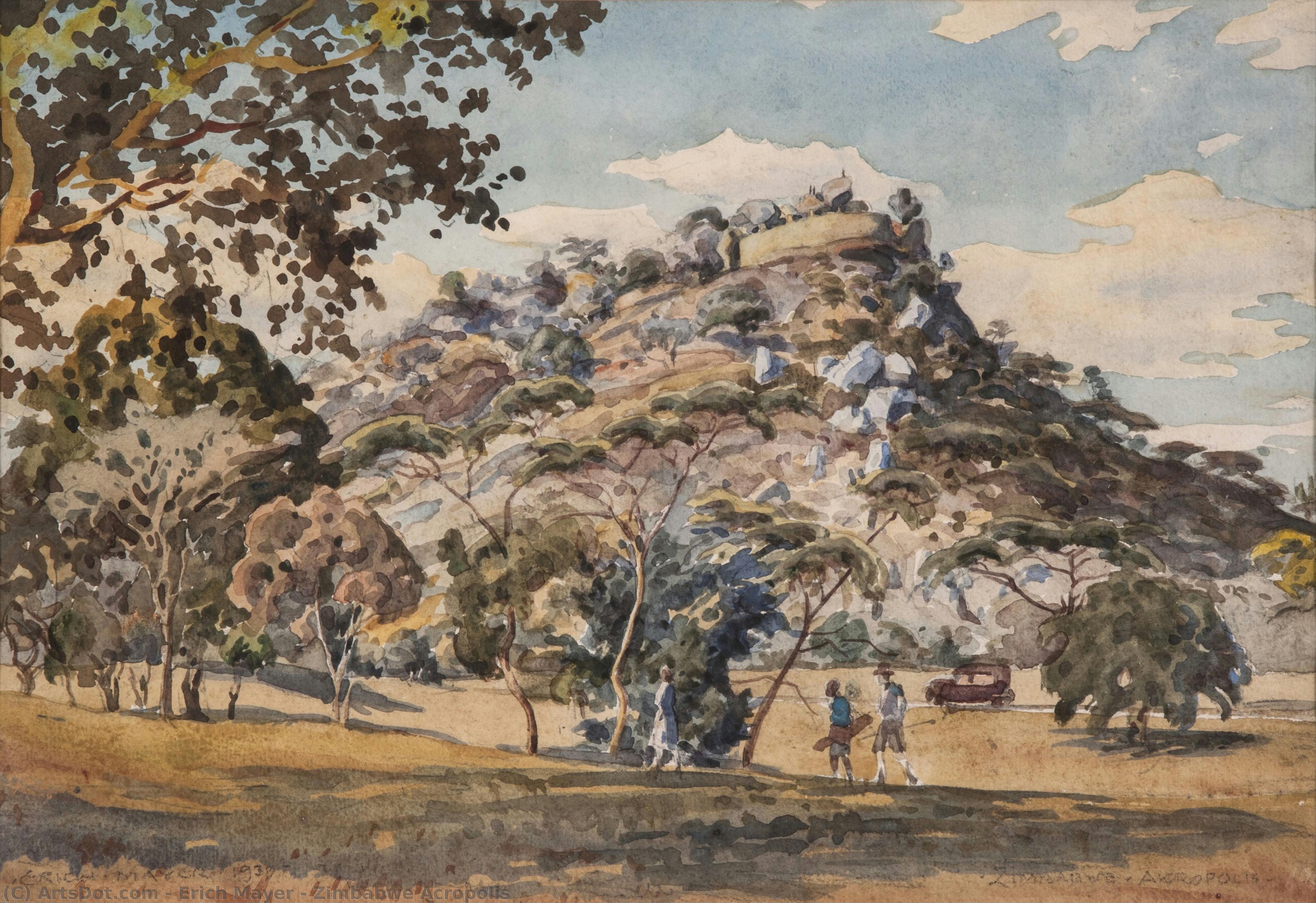
- Zimbabwe Acropolis
 Preview
 购买版画
购买版画 分享
分享 分享
分享
 详情
详情

 下载
下载
 相似作品
相似作品 X射线
X射线 幻灯片播放
幻灯片播放Zimbabwe Acropolis
 Watercolor
- WallArt
- Contemporary Realism
 1939
1939- Modern
 29.0 x 42.0 cm
 University of Pretoria Museums
 展开详情
展开详情




P118B $10

P118H $10

P118W $10

P438Z $10

P508JH $12

P508YH $12

P805H $10

P805Z $10

P919BZ $10

P919G $10

P919XJ $10

P959ZH $10

P968JZ $12

W106C $8

W218G $10

W218JH $8

W218Y $10

W307PJ $10

W316G $10

W316PJ $8

W316Y $10

W398PJ $8

W4111J $10

W500HY $15

W500JH $15

W692G $12

W849H $8

W940BG $15

W953PJ $8




从与原作比例一致的预设尺寸中进行选择。

您可以输入自定义尺寸,以适配特定的画框或空间。如果所选尺寸与原图比例不符,我们将通过裁剪作品或添加手绘元素来扩展画面。数字样稿将在制作开始前发送给您确认。
请注意,屏幕预览无法准确反映实际的裁剪或扩展效果,只有样稿才能真实呈现最终的构图。
虽然我们提供定制尺寸服务,但为了保留原作比例,建议您从预设列表中选择尺寸。
下单后,OriginalUniqueArt.com 团队将通过电子邮件联系客户获取具体要求,并提供效果预览图。


 玻璃选项仅适用于110厘米以下的尺寸。

Zimbabwe Acropolis
复制材质
复制品尺寸
-


最终总价
-
作品详情
A Window into the Soul of Southern Africa
In the delicate, translucent layers of Erich Mayer’s watercolor "Zimbabwe Acropolis," we find more than just a landscape; we encounter a profound moment of stillness captured on the precipice of global upheaval. Painted in 1939, as the shadows of the Second World War began to lengthen across Europe, this work serves as a poignant testament to the enduring majesty of the African continent. Mayer, an artist whose life was defined by the turbulent shifts of history, uses the medium of watercolor to breathe life into the ancient stone structures and verdant hills of the Great Zimbabwe ruins. The painting invites the viewer to step into a serene assembly, where a small group of figures gathers amidst the sweeping grasses, their presence dwarfed by the monumental scale of the landscape, yet deeply connected to its rhythmic beauty.
The technique employed here is a masterclass in the subtle economy of watercolor. Mayer avoids heavy, oppressive strokes, opting instead for a fluid, atmospheric approach that allows light to permeate the paper itself. Through soft washes of earth tones—ochres, muted greens, and sun-bleached tans—he reconstructs the rugged topography of the Acropolis. The way the pigment settles into the grain of the paper mimics the natural textures of stone and vegetation, creating a sense of organic unity. There is a rhythmic quality to his brushwork; the scattered trees and the undulating terrain guide the eye through a composition that feels both expansive and intimate. For the collector, this piece offers a rare tactile quality, where the transparency of the medium evokes the very air of the Southern African veld.
Historical Resonance and Emotional Depth
To look upon "Zimbabwe Acropolis" is to engage with the complex biography of Erich Mayer himself. A man of German heritage living through the Anglo-Boer War and later facing internment during the World Wars, Mayer’s perspective was often that of an observer caught between worlds. This sense of being a witness is palpable in his work. The painting captures a peaceful, almost pastoral scene, yet knowing the historical context—the looming conflict that would soon disrupt such tranquility—adds a layer of bittersweet nostalgia to the viewing experience. The figures in the foreground, engaged in quiet companionship, represent a fleeting moment of human connection amidst the timelessness of the archaeological site.
For interior designers and art enthusiasts, this reproduction offers a sophisticated focal point that brings a sense of historical gravity and natural calm to any space. It is not merely a depiction of a place, but an evocative mood piece that speaks to themes of heritage, resilience, and the quiet dignity of the earth. The artwork functions beautifully in settings that value understated elegance and storytelling, providing a conversation piece that bridges the gap between the ancient past and the modern collector's eye. Owning a piece of Mayer’s legacy is an opportunity to preserve a fragment of a vanishing era, rendered with a sensitivity that remains as captivating today as it was in 1939.
艺术家简介
Erich Mayer: A Pioneer of South African Art
- Born: Mussino, Italy (1876)
- Died: Pretoria, South Africa (1960)
Early Life and Influences
Erich Ernst Karl Mayer was born in Karlsruhe, Germany, in 1876. He received his early education in Berlin and initially pursued studies in architecture, earning a scholarship to the Charlottenburg Technische Hochschule. However, illness interrupted his architectural training, leading him to seek a healthier climate and relocate to South Africa in 1898. His initial work involved serving as an assistant land surveyor in the Orange Free State.
The Boer War and Artistic Development
Mayer's life took a significant turn when he joined a Boer commando during the Anglo-Boer War (1899-1902). While participating in the conflict, he began sketching the local farmers and landscapes where his unit was stationed. Captured by British forces at Mafeking, Mayer endured imprisonment on St. Helena. During this period of confinement, he dedicated himself to art, honing his skills and developing his artistic vision. Upon his return to Germany after the war, he formally studied art before eventually returning to South Africa.
Artistic Style and Contributions
Settling in Pretoria in 1912, Mayer became a prominent figure in the South African art scene. He is best known for his meticulous watercolor paintings and oil paintings depicting rural life and landscapes of South Africa. His work often focused on portraying the lives of farmers and their families, capturing the essence of the country's interior regions with sensitivity and detail. A notable subject in his works was the Baobab tree ("Kremetartboom"). Mayer actively advocated for a "National Art Identity" within South Africa, seeking to develop an artistic style that reflected the unique character of the nation.
- Mediums: Primarily watercolor and oil painting.
- Subjects: Rural landscapes, portraits of farmers and their families, depictions of everyday life in South Africa.
- Style: Representational, characterized by meticulous detail and a sympathetic portrayal of his subjects.
Legacy and Historical Significance
Erich Mayer's contribution to South African art is significant for several reasons. He played a crucial role in fostering an indigenous artistic identity during a period when European influences were dominant. His empathetic depictions of rural life provided valuable insights into the lives of ordinary people, preserving a visual record of a bygone era. Mayer also shared his knowledge and skills by teaching woodcut printing to other artists, including the renowned JH Pierneef. His murals in the Jeppe Street Post Office (Johannesburg) and Monument High School (Krugersdorp) stand as lasting testaments to his artistic legacy.
Erich Mayer
1940 - , Italy
艺术家简介
- Artistic Movement Or Style: Watercolor painting
- Artists Or Movements Influenced By This Artist: ['Henk Pierneef']
- Artists Who Influenced This Artist:
- Winslow Homer
- Henri Matisse
- Date Of Birth: 1876
- Date Of Death: 1960
- Full Name: Erich Ernst Karl Mayer
- Nationality: German-South African
- Notable Artworks: ['Baobab study near to Mussina']
- Place Of Birth: Karlsruhe, Germany
相关文章
纽约大都会艺术博物馆25幅必赏杰作:艺术、历史与家居灵感
探索纽约大都会艺术博物馆25幅传世杰作!从梵高、莫奈到达芬奇,深入了解艺术大师的故事与创作灵感。精美油画复制品,为您的家居带来艺术气息。立即在OriginalUniqueArt.com发现更多经典作品。

Watercolor Wonders: 10 Masterpieces That Redefined Art History | OriginalUniqueArt
Journey through 10 legendary watercolor masterpieces by Sargent, Turner & Homer! Explore iconic landscapes, portraits & floral art that redefined history. Find museum-quality reproductions and curated decor ideas at OriginalUniqueArt.com.
美国国家艺术馆精选:25幅大师级杰作,点亮您的艺术生活 | OriginalUniqueArt
探索美国国家艺术馆的25幅大师级杰作!深入了解塞尚、马蒂斯等艺术家的故事,感受印象派与现代艺术的魅力。OriginalUniqueArt.com提供高品质油画复制品,点亮您的家居空间。立即在线探索完整系列!

葛饰北斋:25幅传世名作,浮世绘大师的艺术传奇 (Katsushika Hokusai: 25 Masterpieces, The Art Legacy of the Ukiyo-e Master)
探索葛饰北斋的25幅传世名作!深入了解浮世绘大师的艺术传奇,感受《神奈川冲浪波》等经典作品背后的故事与魅力。OriginalUniqueArt.com提供博物馆级高质量复制品,为您的家居带来日本风情和艺术灵感。立即探索完整系列!

康斯塔布尔大师之作:25幅传世风景画赏析 | OriginalUniqueArt
探索康斯塔布尔的25幅传世杰作!沉浸于英国田园风光,感受浪漫主义绘画大师的光影与色彩。高清油画复制、艺术品购买尽在OriginalUniqueArt.com,为您的家居增添经典之美。立即在线探索完整系列!

