

 发送
发送 分享
分享
 详情
详情 指南
指南

 下载图片
下载图片
 相似作品
相似作品 幻灯片播放
幻灯片播放 统计数据
统计数据Arnold Schönberg
 Giclée Print
- Digital
- Abstract Expressionism
 1940
1940- Modern
 8.0 x 12.0 cm
 Arnold Schönberg Center
 阅读全文
阅读全文
艺术微喷/版画
博物馆级艺术微喷或帆布版画,制作高效,并提供多种饰面选择。 ( 订购此收藏品的纯手工复刻画作 切换至数字图像销售渠道)




































您可以从与原作比例一致的预设尺寸中进行选择。

请输入您所需的宽度和高度,以适配您的画框或墙面。由于印刷品只能进行裁剪,无法超出原图尺寸,因此若比例不一致,画面的一部分将会被裁切。在正式印刷之前,我们会为您发送一份数字效果图供您确认。本页面显示的图片并非最终裁剪后的效果——只有效果图才能展示真实的裁剪情况。


 玻璃选项仅适用于110厘米以下的尺寸。

Arnold Schönberg
艺术微喷/版画
复刻品尺寸说明
-


总计金额
¥ 538
Arnold Schönberg – A Moment of Reflection
This intimate black and white photograph, meticulously crafted by Eric Schaal in 1940, offers an unparalleled glimpse into the world of Arnold Schönberg, one of the most influential composers of the 20th century. Captured during a performance of his seminal work, *Pierrot lunaire*, op. 21, at New York’s Town Hall, the image transcends a simple snapshot; it's a poignant dialogue between artist and observer, frozen in time. Schaal’s skillful composition – featuring Schönberg centrally framed, with two indistinct figures subtly positioned in the background – immediately evokes a sense of quiet contemplation and artistic intensity.
The photograph’s stark monochrome palette amplifies its emotional resonance. The absence of color directs our focus entirely onto Schönberg's face, etched with a serious expression that speaks volumes about the profound intellectual and emotional weight of his music. Schaal’s technical mastery is evident in the sharp detail of Schönberg’s attire – a suit and tie suggesting the formality of the occasion – and the subtle play of light and shadow across his features. The inclusion of the two background figures adds an element of realism, hinting at the social context within which this artistic moment unfolded.
The Context: Schönberg and *Pierrot lunaire*
Arnold Schönberg (1874-1951) was a revolutionary figure in music. A pioneer of atonality and serialism, he fundamentally altered Western musical thought. *Pierrot lunaire*, composed between 1912 and 1917, is arguably his most famous work. This song cycle, exploring themes of love, loss, and despair through evocative imagery and unsettling harmonies, represents a pivotal moment in the development of modern music. The photograph’s setting – Town Hall, a venue often hosting significant musical performances – underscores Schönberg's central role within the artistic landscape of early 20th-century New York.
Schönberg’s personal correspondence with Schaal reveals a thoughtful exchange about the photograph itself. His request to retain the image in a transparent envelope, coupled with his instruction not to distribute it for publication, speaks volumes about his desire for control over his own representation and his appreciation for Schaal's dedication. This deliberate act of preservation elevates the photograph beyond a mere documentation of an event; it becomes a cherished artifact reflecting a unique artistic relationship.
Symbolism and Emotional Impact
The image’s power lies not just in its technical execution but also in the inherent symbolism it conveys. Schönberg's serious gaze invites us to contemplate the complexities of his musical vision – a world of dissonance, fragmentation, and profound emotional depth. The photograph captures a moment of intense concentration, suggesting the rigorous intellectual process that underpinned Schönberg’s groundbreaking compositions. The subdued background figures serve as a visual counterpoint, emphasizing Schönberg's central importance and highlighting the solitary nature of artistic creation.
Schaal’s choice to capture this scene in black and white further enhances its timeless quality. The absence of color allows viewers to focus on the essential elements – form, expression, and light – creating a powerful and enduring image that resonates with the viewer long after initial observation. This reproduction offers an exceptional opportunity to own a piece of art history, connecting directly with one of music’s most influential figures.
Specifications
- Title: Arnold Schönberg
- Artist: Eric Schaal
- Date: 1940
- Size: 8 x 12 cm
- Medium: Black and White Photograph
A meticulously hand-painted reproduction of this iconic image is available, offering a faithful representation of Schaal’s original capture. This artwork would be an exceptional addition to any art collection or a striking focal point within interior design settings.
问答详情
"Arnold Schönberg" 是在哪一年创作的?
埃里克·沙尔 的《Arnold Schönberg》创作于1940年。
哪种空间能与 埃里克·沙尔 的《Arnold Schönberg》 的色彩相得益彰?
埃里克·沙尔 的《Arnold Schönberg》 的 Dark 色调与其推荐的布置空间——Living Room 完美契合。
埃里克·沙尔 的《Arnold Schönberg》 是油画、素描还是版画?
在目录中,埃里克·沙尔 的《Arnold Schönberg》 被归类为 Digital。该类别有助于查找相似作品。
相关文章

Dark Masterpieces: 10 Iconic Paintings Dominated by Black Tones |
Explore 10 iconic paintings dominated by black tones, from Rembrandt’s chiaroscuro to Goya's dark expressions. Discover the stories behind these masterpieces & find museum-quality art reproductions for your home at .

高檔藝術品複製技術:Giclée微噴的檔案品質與鑑賞細節
深入了解Giclée微噴技術:檔案品質、色彩還原的專業解析。探索高檔藝術品複製的細節與保存技巧,為您的收藏提供博物館級別的選擇。專家指導,確保完美呈現原作神韻。

The Enduring Legacy of Fine Art Prints: Technique, History & Aesthetic Impact
Explore the rich history & techniques of fine art prints. Discover investment potential, assess authenticity, and learn how to preserve your collection with expert guidance. Trusted insights for discerning collectors.
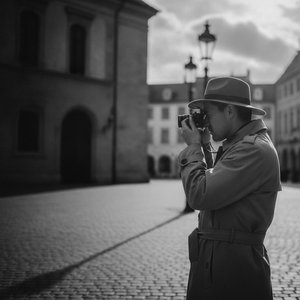
Beyond Color: The Timeless Power and Artistry of Black and White Photography
Explore the profound artistry of black and white photography. From the chemistry of gelatin silver to the chiaroscuro of the Old Masters, discover how monochrome captures the eternal essence of light, form, and emotion for the discerning art collector.

Echoes of Time: Exploring the Enduring Appeal & Historical Context of Vintage Art Prints
Explore the captivating world of vintage art prints! Discover their history, collecting tips & enduring appeal. Expert insights on chromolithography and building a legacy collection with OriginalUniqueArt.