
 效果预览
效果预览
 切换至印刷版
 分享
分享 分享
分享
 详情
详情

 下载
下载
 相似作品
相似作品 X射线
X射线 幻灯片播放
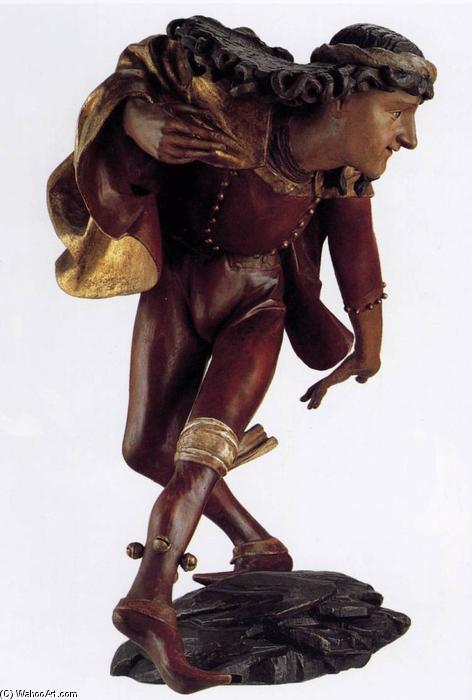
幻灯片播放Morris Dancer (Bridegroom)


 展开详情
展开详情
购买高分辨率增强版数字图像,其品质远超在线预览。
每一份文件都由我们的内部专家使用先进工具与专业的后期润色技术精心打造。我们确保每一张图像都具备卓越的清晰度、精准的色彩还原度以及细腻的细节表现。
最终文件将在 72 小时内通过电子邮件交付,并针对专业、编辑及印刷用途进行了优化。其品质与顶级设计工作室、出版社和画廊所信赖的标准完全一致。
每份数字图像订单均包含
专业数字图像交付,品质保障
选择 OriginalUniqueArt.com,您获得的不仅仅是一张图像——您收到的是经过专业级增强、精雕细琢的数字艺术作品,并享有满意保证。以下是您的订单中自动包含的所有内容:

邮件快速送达
您的高分辨率数字图像文件将在下单后 72 小时内通过电子邮件发送给您 —— 即可立即使用。

AI 增强型数字文件
您的艺术品经过专业优化,结合先进的 AI 技术与人工修饰,确保呈现极致的细节、清晰度与色彩准确度。

终身免费重发服务
不小心删除了文件或找不到了?没关系——我们将随时为您免费重发。

无需进口费用,始终如一
即刻拥有您的艺术作品,无需支付任何关税、税费或运费——数字下载始终免税。

色彩精准保证
我们通过专业工具与色彩管理技术,确保您的数字图像尽可能真实地还原原作色彩。

60天满意保证
如果您对所购买的数字图像不满意,我们将在60天内为您进行修改或退还100%的款项——无需任何解释。

100% 退款保证
如果不满意?在收到数字文件后的60天内,我们为您提供全额退款——无需任何理由。

批量订单优惠
购买 3 张图片可享 10% 折扣 - 购买 5 张可享 15% 折扣 - 购买 10+ 张可享 20% 折扣。非常适合创意项目、画廊和机构使用。
艺术家简介
Erasmus Grasser (1450 – 1515): Sculptor of Munich’s Soul
Erasmus Grasser, born around 1450 in Schmiedenhofen, Bavaria, stands as a pivotal figure in the burgeoning artistic landscape of early Renaissance Germany. His legacy resides primarily within Munich, where he crafted monumental sculptures that continue to inspire awe and illuminate our understanding of humanist ideals and artistic innovation. While biographical details remain somewhat sparse – largely due to the limitations of archival records from his era – Grasser’s impact on Bavarian art history is undeniable. He emerged during a period marked by significant cultural exchange between Italy and Northern Europe, absorbing influences from masters like Nicolaus Gerhaert and skillfully blending them with indigenous traditions.- Early Life & Training: Precise information regarding Grasser's formative years is elusive. However, he was undoubtedly trained in the workshop of Nikolaus Gerhaert, a renowned sculptor who championed realism and expressive dynamism—characteristics that would profoundly shape Grasser’s artistic style. Gerhaert’s emphasis on capturing human emotion and anatomical accuracy served as an invaluable foundation for Grasser's subsequent endeavors.
- Munich & Patronage: Grasser established his studio in Munich, securing commissions from influential patrons – notably Duke Albrecht IV—who recognized the transformative potential of art to convey civic pride and reinforce dynastic authority. This patronage fostered a fertile environment for artistic experimentation and propelled Grasser’s career to considerable heights.
Monumental Sculpture: Defining Munich's Artistic Identity
Grasser’s most celebrated achievements lie in his monumental sculptures, particularly the “Morris Dancers” adorning the Great Hall of Munich’s Old Town Hall (completed circa 1480). These figures—sixteen intricately carved oak dancers—represent a daring departure from conventional sculptural conventions. They embody Gerhaert's influence and demonstrate Grasser’s mastery of anatomical detail and expressive movement. The sculptures are not merely decorative; they serve as potent symbols of Bavarian identity, reflecting the Duke’s ambition to elevate Munich’s prestige on the European stage. Their fate remains somewhat mysterious—only six figures survived WWII destruction—yet their enduring presence testifies to Grasser's artistic genius.- The Morris Dancers: The sculptures are remarkable for their dynamic poses and detailed musculature, capturing the energy of traditional Bavarian folk dances. They exemplify Gerhaert’s style and underscore Grasser’s commitment to portraying human form with unprecedented realism.
- Other Notable Works: Beyond the Morris Dancers, Grasser produced several other significant sculptures, including the High Altar for Reichersdorf Church (1502–1506) and the choir stalls at Munich Frauenkirche (completed 1502). These pieces showcase his versatility as a sculptor and solidify his reputation as one of Bavaria’s foremost artistic innovators.
Technique & Artistic Style
Grasser's sculptural technique was characterized by meticulous attention to detail and an unwavering dedication to anatomical accuracy—traits inherited from Gerhaert. He skillfully employed wood carving, utilizing tools honed over generations to achieve remarkable precision and expressive nuance. His sculptures are imbued with a palpable sense of vitality, reflecting Gerhaert’s stylistic vision. Grasser's approach distinguishes him from many of his contemporaries who favored stylized representations rather than striving for naturalistic depictions. The resulting artworks possess an emotional depth that resonates powerfully across time.Legacy & Historical Significance
Erasmus Grasser’s contribution to Munich’s artistic heritage transcends mere craftsmanship; he embodies the spirit of the Renaissance—a period defined by humanist ideals, intellectual curiosity, and a fervent desire to capture the beauty and complexity of human experience. His sculptures continue to captivate audiences today, serving as tangible reminders of Bavaria's cultural flourishing during Albrecht IV’s reign. Grasser’s influence extends beyond Munich, inspiring subsequent generations of sculptors and cementing his place among the giants of German Renaissance art. He remains a testament to the transformative power of artistic innovation and the enduring legacy of humanist patronage.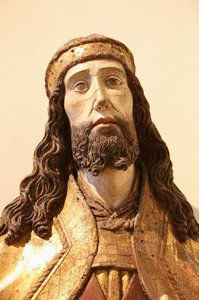
erasmus grasser
1450 - 1515 , Germany
基本信息
- Artistic Movement Or Style: Renaissance Sculptor
- Artists Or Movements Influenced By This Artist: ['Italian Renaissance']
- Artists Who Influenced This Artist: ['Nikolaus Gerhaert']
- Date Of Birth: c. 1450
- Date Of Death: c. 1515
- Full Name: Erasmus Grasser
- Nationality: German
- Notable Artworks:
- Morris Dancers
- Monument of Doctor Ulrich Aresinger
- Place Of Birth: Schmiedenhofen, Germany

