
 效果预览
效果预览
 切换至手工绘画版
 分享
分享 分享
分享
 详情
详情

 下载
下载
 相似作品
相似作品 X射线
X射线 幻灯片播放
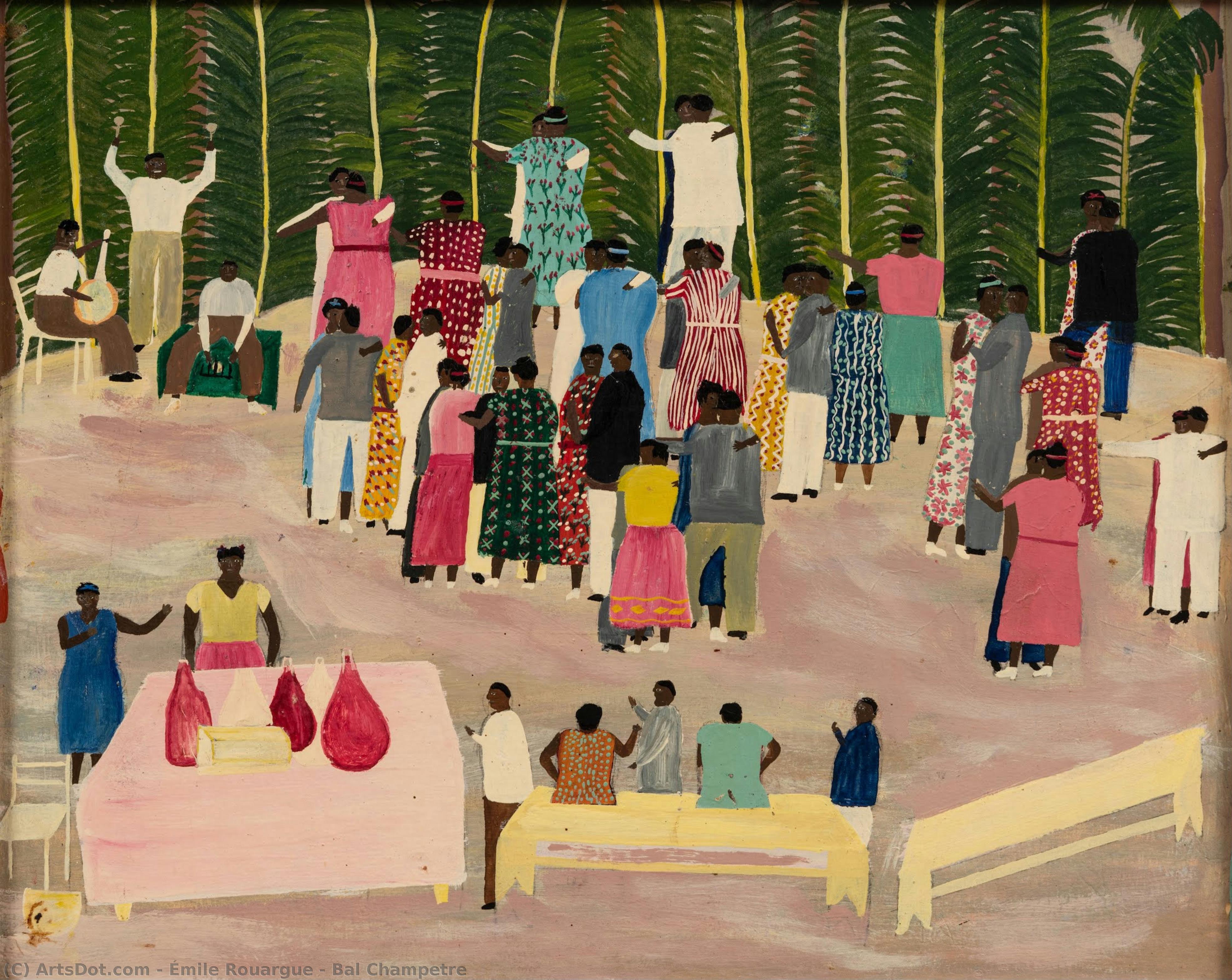
幻灯片播放Bal Champetre


 展开详情
展开详情




P118B $10

P118H $10

P118W $10

P438Z $10

P508JH $12

P508YH $12

P805H $10

P805Z $10

P919BZ $10

P919G $10

P919XJ $10

P959ZH $10

P968JZ $12

W106C $8

W218G $10

W218JH $8

W218Y $10

W307PJ $10

W316G $10

W316PJ $8

W316Y $10

W398PJ $8

W4111J $10

W500HY $15

W500JH $15

W692G $12

W849H $8

W940BG $15

W953PJ $8




从与原作比例一致的预设尺寸中进行选择。

您可以输入自定义尺寸,以适配特定的画框或空间。如果您选择的尺寸与原图比例不符,我们将对作品进行裁剪,或通过镜像填充/纯色填充边缘的方式来扩展图像。在开始制作之前,我们会向您发送一份数字效果图供您确认。
请注意,屏幕上的预览并不能反映实际的裁剪或扩展效果。只有效果图才能准确展示最终的构图。
虽然我们提供定制尺寸,但为了保持原图比例,我们建议您从预设列表中选择尺寸。


 玻璃选项仅适用于110厘米以下的尺寸。

Bal Champetre
艺术微喷/版画
复制品尺寸
-


最终总价
$ 80
艺术家简介
The Architectural Visions of Émile Rouargue
Émile Jean Horace Vernet, known as émile rouargue (Paris, 1796 – Epône, 1865), occupies a fascinating niche in the history of 19th-century French printmaking. Though not a household name like some of his contemporaries, Rouargue and his brother Adolphe carved out a significant space for themselves with their captivating engravings of architectural fantasies and meticulously detailed cityscapes. Their work wasn’t born from direct observation alone; it was an imaginative synthesis of real places, historical styles, and a burgeoning romantic sensibility that resonated deeply with the public.
Rouargue's career unfolded during a period of rapid social and artistic change. The Napoleonic era had recently concluded, leaving France eager to rebuild—both physically and culturally. The rise of the middle class created a new market for affordable art, and printmaking flourished as a means of disseminating images widely. While many artists focused on historical or allegorical subjects, Rouargue found success in depicting the built environment, albeit often an idealized or imagined one. He wasn’t simply documenting existing structures; he was constructing visions of grandeur, order, and beauty.
A Collaborative Practice: Rouargue Frères
The story of Émile Rouargue is inextricably linked to that of his brother, Adolphe. Together they formed a highly effective artistic partnership, dividing labor and complementing each other’s skills. While the precise nature of their collaboration remains somewhat unclear—it's often difficult to attribute specific works definitively to one brother or the other—they operated as “Rouargue Frères,” presenting a unified front to the art market. Their engravings were frequently published in periodicals, reaching a broad audience hungry for visual stimulation and escapism. This accessibility was key to their popularity; they weren’t catering to an elite clientele but rather to a growing segment of society that valued both artistry and affordability.
The British Museum holds several examples of their work, attesting to the international reach of their engravings. These prints often showcase elaborate architectural designs—palaces, churches, public squares—populated with figures engaged in everyday life. The level of detail is remarkable, capturing not only the broad forms of buildings but also the textures of stone, the play of light and shadow, and the nuances of human interaction. It’s this attention to detail that lends their work a sense of realism, even when depicting fantastical scenes.
Themes and Techniques
Rouargue's engravings are characterized by several recurring themes. A fascination with classical architecture is evident in many of his works, reflecting the enduring influence of ancient Greece and Rome on French artistic taste. He frequently depicted European cities—Paris, Venice, Rome—but often infused them with an idealized quality, removing blemishes and emphasizing their most picturesque aspects. The architectural fantasies are particularly striking, showcasing elaborate designs that blend different styles and create a sense of otherworldly beauty.
Technically, Rouargue was a skilled engraver, employing precise lines and subtle shading to create depth and texture. His work demonstrates a mastery of the engraving process, allowing him to translate complex compositions onto paper with remarkable clarity. The use of light and shadow is particularly effective, creating a sense of drama and atmosphere. He often utilized cross-hatching and stippling techniques to build up tonal values and add visual interest.
Legacy and Historical Significance
While Émile Rouargue may not be as widely recognized today as some of his more famous contemporaries, his work offers a valuable glimpse into the artistic sensibilities of 19th-century France. His engravings reflect the era’s fascination with architecture, its romantic yearning for beauty and order, and its growing demand for affordable art. The collaborative nature of his practice—working alongside his brother Adolphe—also speaks to the dynamics of the art market during this period.
Rouargue's legacy lies in his ability to create captivating visions of the built environment that resonated with a broad audience. His work wasn’t simply about documenting reality; it was about constructing idealized worlds, offering escapism and inspiration to those who sought it. Today, his engravings remain a testament to the enduring power of printmaking and the artistic imagination.

émile rouargue
1796 - 1865 , France
艺术家简介
- Artistic Movement Or Style: Engraving, Illustration
- Date Of Birth: 1796
- Date Of Death: 1865
- Full Name: Émile Rouargue
- Nationality: French
- Place Of Birth: Paris, France
相关文章

The Rhythmic Canvas: Exploring Representations of Dance Across Art History
Explore the captivating history of dance in art! From Degas' ballet scenes to abstract expressions, discover how artists have captured movement and cultural significance across time. Expert insights for collectors & enthusiasts.
Idyllic Visions: Exploring the Pastoral Tradition in Western Art – Themes, Techniques & Enduring Appeal
Explore the rich history of pastoral art from classical Arcadia to contemporary interpretations. Discover key artists, themes & collecting tips at OriginalUniqueArt.

Idyllic Visions: Exploring the Pastoral Scene in Art History – From Arcadia to Modern Interpretations
Explore the captivating history of pastoral art from classical Arcadia to modern masterpieces. Discover key artists like Millet & Cole at OriginalUniqueArt. Find serene landscape paintings for your home.

葛饰北斋:25幅传世名作,浮世绘大师的艺术传奇 (Katsushika Hokusai: 25 Masterpieces, The Art Legacy of the Ukiyo-e Master)
探索葛饰北斋的25幅传世名作!深入了解浮世绘大师的艺术传奇,感受《神奈川冲浪波》等经典作品背后的故事与魅力。OriginalUniqueArt.com提供博物馆级高质量复制品,为您的家居带来日本风情和艺术灵感。立即探索完整系列!
雷诺阿大师25幅经典之作:光影中的艺术与生活 | OriginalUniqueArt
探索雷诺阿25幅经典之作,感受印象派大师的光影魅力与色彩诗意。从《舞会》到《煎饼磨坊》,OriginalUniqueArt为您呈现艺术背后的故事与技巧。高品质艺术复制品,点亮您的家居空间!立即在OriginalUniqueArt.com探索完整系列。

