

 实景预览
实景预览
 发送
发送 分享
分享
 详情
详情 指南
指南

 下载图片
下载图片
 相似作品
相似作品 X射线
X射线 幻灯片播放
幻灯片播放 统计数据
统计数据[Lady
 Acrylic On Canvas
- WallArt
- Expressionist Nature
 1922
1922 47.0 x 35.0 cm
 MAM Rio
 阅读全文
阅读全文
手工油画复制品
由我们的艺术家按需定制,为您提供您所选尺寸及画框的布面手工油画。 ( 切换至版画销售渠道 切换至数字图像销售渠道)




P118B ¥10

P118H ¥10

P118W ¥10

P438Z ¥10

P508JH ¥12

P508YH ¥12

P805H ¥10

P805Z ¥10

P919BZ ¥10

P919G ¥10

P919XJ ¥10

P959ZH ¥10

P968JZ ¥12

W106C ¥8

W218G ¥10

W218JH ¥8

W218Y ¥10

W307PJ ¥10

W316G ¥10

W316PJ ¥8

W316Y ¥10

W398PJ ¥8

W4111J ¥10

W500HY ¥15

W500JH ¥15

W692G ¥12

W849H ¥8

W940BG ¥15

W953PJ ¥8




您可以从与原作比例一致的预设尺寸中进行选择。

请输入您需要的宽度和高度,以适配您的画框或墙面。由于作品为手工绘制,若您选择不同的尺寸比例,艺术家可能会在画面边缘多画一些或稍作裁剪 —— 由您决定。在开始绘画之前,我们会为您发送一份数字效果图供您确认。本页面上展示的图片并非最终实物 —— 只有效果图才能反映真实结果。
下单后,OriginalUniqueArt.com 团队将通过电子邮件联系客户获取具体要求,并提供效果预览图


 玻璃选项仅适用于110厘米以下的尺寸。

[Lady
复制品材质
复刻品尺寸说明
-


总计金额
¥ 2017
A Portrait of Quiet Intensity: Emil Nolde’s “Lady”
Emil Nolde's "Lady," painted in 1922, isn’t merely a portrait; it’s a distilled essence of introspection and subtle power. Executed in watercolor on paper, the work immediately possesses a captivating vintage quality – a delicate softness that belies the profound emotional depth contained within its simple composition. The painting depicts a woman, her features rendered with an almost hesitant delicacy, yet imbued with a remarkable stillness. Her gaze, directed slightly off-center, invites the viewer into a private world, fostering a sense of intimate observation rather than straightforward representation.
Nolde’s style at this period – roughly midway through his career – is characterized by an expressive use of color and a willingness to depart from photographic realism. He wasn't interested in capturing a likeness; instead, he sought to convey mood and feeling. The palette here is restrained yet luminous: muted blues and greens dominate, punctuated by the warm blush of her dress and the delicate pink of a flower nestled within her hair. This careful orchestration of color contributes significantly to the painting’s overall atmosphere – one of quiet contemplation and understated elegance.
The Echoes of Expressionism and Folk Art
To understand “Lady,” it's crucial to situate it within the broader context of Nolde’s artistic development. He was a key figure in Die Brücke (The Bridge), an early German Expressionist group that rejected academic traditions in favor of subjective experience and emotional intensity. However, unlike some of his fellow Brücke members, Nolde retained a strong connection to folk art – particularly the expressive power of primitive masks and carvings from his native Schleswig-Holstein. This influence is evident in the painting’s simplified forms and its avoidance of overly detailed rendering.
Furthermore, Nolde's early life profoundly shaped his artistic vision. Born Hans Emil Hansen into a family deeply rooted in rural traditions and religious beliefs, he carried with him a sense of connection to the natural world and a reverence for the spiritual. This is subtly reflected in the painting’s serene atmosphere and its suggestion of timelessness – as if the subject exists outside of conventional time and place.
Symbolism and the Enigma of the Subject
The flower in the woman's hair, a delicate pink bloom, carries significant symbolic weight. It represents beauty, fragility, and perhaps even remembrance. Its placement is deliberate, drawing attention to her face and subtly enhancing the sense of intimacy. The slight tilt of her head, combined with her averted gaze, creates an air of mystery – we are left wondering about her thoughts and feelings. Is she lost in contemplation? Does she hold a secret? Nolde deliberately avoids providing definitive answers, allowing the viewer to project their own interpretations onto the image.
The woman’s posture is remarkably relaxed, yet there's an underlying tension—a quiet strength that suggests resilience. She isn’t passively receiving; she is actively observing, holding herself with a dignified composure. This subtle interplay of vulnerability and fortitude makes “Lady” a compelling study in human character.
A Timeless Masterpiece: Reproduction Possibilities
OriginalUniqueArt offers meticulously crafted hand-painted reproductions of Emil Nolde’s "Lady," ensuring that the painting's delicate beauty and emotional resonance are faithfully preserved. Each reproduction is created by skilled artists using archival-quality materials, guaranteeing its longevity and authenticity. Whether you seek a stunning addition to your art collection or a unique piece for your interior design scheme, our reproductions provide an exceptional opportunity to experience the power and allure of this iconic work. The original’s intimate scale – 47 x 35 cm – is perfectly replicated, allowing you to bring Nolde's evocative portrait into your space with remarkable fidelity.
问答详情
埃米尔·诺尔德 (Āi Mǐ'Ěr·Nuò'Ěrdé) 的《[Lady》 的视觉明亮度如何?
埃米尔·诺尔德 (Āi Mǐ'Ěr·Nuò'Ěrdé) 的《[Lady》 的视觉亮度为 balanced。它可以与目标空间的灯光完美匹配。
在“[Lady”中,媒介与笔触是如何结合的?
埃米尔·诺尔德 (Āi Mǐ'Ěr·Nuò'Ěrdé) 的《[Lady》 将 Acrylic On Canvas 技法与 Expressionist Nature 流派风格完美融合。技法与流派分别描述了作品的创作手法及其艺术风格。
"[Lady" 的艺术风格与其创作时代有何关联?
在埃米尔·诺尔德 (Āi Mǐ'Ěr·Nuò'Ěrdé) 的《[Lady》中,Expressionist Nature运动与19世纪时代交相辉映。
艺术家简介
埃米尔·诺尔德:生命与遗产
埃米尔·诺尔德,一位享誉盛名的德国-丹麦画家,1867年8月7日出生于德国石勒苏益格斯登州的诺尔德。他出身于一个与乡村生活和宗教信仰紧密相连的家庭,这些因素深刻地影响了他的艺术视野。尽管他的父母最初反对他从事绘画,更倾向于他选择一份传统职业,但诺尔德坚持不懈地追求他对艺术的热情。在二十多岁时,他先是一名木雕工匠和家具装饰师,后来全身心投入到绘画中。
艺术发展与影响
诺尔德的艺术之旅充满了自学和探索。他广泛旅行,吸收了来自不同文化和艺术形式的影响。早期的影响包括文森特·梵高、保罗·高更以及传统民间艺术——特别是原始面具和雕刻的表现力。这些经历激发了他对大胆色彩、简化形式和情感充沛主题的兴趣。他最初尝试现实主义和印象派,但很快转向一种更加主观和表现性的风格。
“桥社”与表现主义突破
1905年,诺尔德与一群德国表现主义艺术家共同创立了“桥社”(Die Brücke)。这个团体旨在摆脱学院派传统,通过激进的艺术实验表达内心情感。诺尔德对“桥社”的贡献至关重要;他对色彩的强烈运用和扭曲的形式突破了表现的界限。然而,他在该群体中保持着某种程度的独立性,在主题和风格上常常与众不同。
主要主题与艺术风格
诺尔德的作品以几个反复出现的主题为特征:宗教场景、风景画、海景画和肖像画。他对面具的力量特别着迷——既作为物理对象,也作为原始情感的象征。他的艺术风格可以概括如下:
- 大胆、鲜艳的色彩用于传达强烈的情感
- 扭曲的形式强调表达而非现实主义表现
- 厚涂技法 - 厚重的颜料应用创造纹理
- 专注于捕捉内在心理状态
重要作品与成就
在职业生涯中,诺尔德创作了大量的作品。他最著名的画作包括:
- 面具(1906-1907)——展示了他对原始艺术的迷恋
- 嘲弄基督(1909)——一幅充满力量和情感冲击力的宗教场景
- 秋海(1908) - 展示了他富有表现力的风景画。
- 花园 (女孩与洗衣) (1907)
- 围绕金牛犊跳舞(1909)
尽管在纳粹政权下受到批评和审查——他的作品被认为是“堕落的”,诺尔德仍然秘密地继续绘画。在此期间,他创作了大量的水彩画,证明了他对艺术表达的不懈承诺。
历史意义与遗产
埃米尔·诺尔德对色彩的创新运用和表现主义笔触深刻影响了几代艺术家。他的作品弥合了传统表现性艺术与随后的抽象运动之间的差距。他仍然是德国表现主义历史上的一位重要人物,以其情感强度、大胆实验和持久的艺术视野而闻名。他的遗产继续激励着世界各地的艺术家和艺术爱好者。
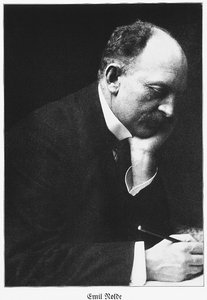
埃米尔·诺尔德 (Āi Mǐ'Ěr·Nuò'Ěrdé)
1867 - 1956 , 德国
快速概览
- 代表作品:
- 面具
- 嘲弄基督
- 花园(少女与洗衣物)
- 秋海
- 围绕金牛犊的舞蹈
- 出生地: 德国石勒苏益根州诺尔德
- 出生日期: 1867年8月7日
- 受影响艺术家或运动: 德国表现主义
- 国籍: 德裔丹麦人
- 姓名: 埃米尔·诺尔德
- 影响艺术家:
- 文森特·梵高
- 保罗·高更
- 艺术运动或风格: 表现主义,桥社
- 逝世日期: 1956年
相关文章

Watercolor Wonders: 10 Masterpieces That Redefined Art History | OriginalUniqueArt
Journey through 10 legendary watercolor masterpieces by Sargent, Turner & Homer! Explore iconic landscapes, portraits & floral art that redefined history. Find museum-quality reproductions and curated decor ideas at OriginalUniqueArt.com.

水彩艺术全攻略:从文艺复兴到现代的历史演变与创作秘诀,专为经典艺术爱好者打造
本指南深入探讨水彩艺术的历史演变与当代创作秘诀,结合文艺复兴、印象派及现代实验技术,为经典艺术爱好者提供专业绘画技巧、材料选择与收藏建议。凭借多年的学术研究和行业经验,我们为您呈现可信赖、价值导向的内容,让每位读者都能在水彩世界中获得灵感与实战能力。

Ephemeral Visions: Exploring the Artistic Legacy & Nuances of Watercolor Painting
Explore the captivating world of watercolor painting! Discover its rich history, essential techniques, influential artists & collecting tips from art experts. A comprehensive guide for enthusiasts.

Ephemeral Visions: Exploring the Artistic Legacy & Contemporary Practice of Watercolor Painting
Explore the captivating world of watercolor painting! Discover its rich history, essential techniques, influential artists & collecting tips. A comprehensive guide for art enthusiasts from OriginalUniqueArt.

水彩艺术的流光溢彩:历史渊源、情感共鸣与现代实践
探索水彩艺术的流光溢彩!深入了解其历史渊源、大师技法与现代实践。提供专业的艺术咨询、定制油画服务,助您收藏和鉴赏优秀作品。OriginalUniqueArt.com – 您的艺术之选。

