

 发送
发送 分享
分享
 详情
详情 指南
指南

 下载图片
下载图片
 相似作品
相似作品 幻灯片播放
幻灯片播放 统计数据
统计数据Vase


 阅读全文
阅读全文
艺术微喷/版画
博物馆级艺术微喷或帆布版画,制作高效,并提供多种饰面选择。 ( 订购此收藏品的纯手工复刻画作 切换至数字图像销售渠道)




































您可以从与原作比例一致的预设尺寸中进行选择。

您可以输入自定义尺寸,以适配特定的画框或空间。如果您选择的尺寸与原图比例不符,我们将对作品进行裁剪,或通过镜像填充/纯色填充边缘的方式来扩展图像。在开始制作之前,我们会向您发送一份数字效果图供您确认。
请注意,屏幕上的预览并不能反映实际的裁剪或扩展效果。只有效果图才能准确展示最终的构图。
虽然我们提供定制尺寸,但为了保持原图比例,我们建议您从预设列表中选择尺寸。


 玻璃选项仅适用于110厘米以下的尺寸。

Vase
艺术微喷/版画
复刻品尺寸说明
-


总计金额
$ 80
Vase by Émile Gallé
Émile Gallé’s vase stands as a testament to the zenith of French Art Nouveau glassmaking—a captivating fusion of organic form and meticulous craftsmanship that embodies the movement's core aesthetic principles. Born in Nancy, France, in 1846, Gallé inherited his father’s legacy of artisanal excellence, fostering an early fascination with botany and design that would profoundly shape his artistic vision. He wasn’t merely replicating nature; he sought to capture its essence—its dynamism, its beauty—within the confines of glass, transforming it into a vessel imbued with symbolic resonance.- Subject Matter: The vase showcases an intricate floral design dominated by stylized blossoms and foliage rendered in shades of purple, brown, and yellow-green. These motifs are deliberately chosen to evoke the serenity and fecundity of the natural world—a recurring theme throughout Gallé’s oeuvre.
- Style: Strongly influenced by Art Nouveau, the vase exemplifies the movement's characteristic curvilinear lines and flowing forms. These undulating contours mimic the graceful curves of plant stems and petals, creating a harmonious visual experience that prioritizes elegance and fluidity.
- Technique: Gallé’s mastery lay in his innovative glassblowing techniques—particularly cameo glass and pate de verre etching. Cameo glass involves carving delicate reliefs onto the surface of molten glass using acid etching, resulting in stunningly detailed floral patterns that appear to emerge from within the translucent material. Pate de verre, or “paste for glass,” utilizes a thin layer of colored glass fused onto a transparent base, producing vibrant hues and captivating textural contrasts.
- Historical Context: The vase was created during the Belle Époque (1871-1914), a period marked by unprecedented artistic experimentation and cultural optimism in France. Art Nouveau emerged as a reaction against academic conventions, championing natural forms and rejecting industrial ornamentation—a deliberate rejection of Victorian aesthetics. Gallé’s work reflects this spirit of innovation and celebrates the transformative power of art to elevate everyday objects into works of beauty.
- Emotional Impact: Gazing upon this vase evokes feelings of tranquility, wonder, and appreciation for the sublime artistry of Émile Gallé. Its delicate floral design speaks to a deeper yearning for harmony with nature—a sentiment that resonated powerfully during the Art Nouveau era and continues to inspire collectors and interior designers today.
Detailed Examination: Cameo Glass Technique
The vase’s captivating floral patterns are achieved through the painstaking process of cameo glass etching. Skilled artisans carefully apply acid onto the surface of molten glass, creating recessed reliefs that capture the intricate details of botanical specimens—often lilies or orchids—with remarkable precision. This technique demands exceptional patience and artistry, resulting in surfaces that shimmer with subtle luminescence and reveal astonishing depth. The etched floral motifs are then painstakingly filled with colored enamel pigment, further enhancing their visual impact and solidifying Gallé’s reputation as a pioneer of glass decoration.Gallé's Legacy: École de Nancy
Émile Gallé founded the École de Nancy (Nancy School), an influential artistic collective dedicated to elevating glassmaking to new heights of sophistication. This school fostered collaboration between artists, designers, and craftsmen—a radical departure from traditional studio practices—and championed a holistic approach to art that embraced both craftsmanship and aesthetic innovation. The École’s influence extended far beyond the borders of Nancy, inspiring generations of artisans and shaping the trajectory of Art Nouveau glassmaking worldwide. Gallé's legacy continues to inspire artists today, demonstrating the enduring power of artistic vision and collaborative creativity.Contemporary Appreciation
Today, Émile Gallé’s vase remains a prized possession among collectors and interior designers—a symbol of timeless elegance and artistic brilliance. Its exquisite craftsmanship, combined with its evocative floral design and profound connection to Art Nouveau ideals, ensures that it will continue to captivate audiences for decades to come. Reproductions of this masterpiece allow enthusiasts to experience the beauty and artistry of Gallé’s vision in their own homes—a testament to his enduring influence on the decorative arts.艺术家简介
沉浸于自然与创新的生命
埃米尔·加莱(Émile Gallé),这个名字早已成为法国新艺术运动玻璃艺术盛放的代名词。1846年5月8日,他出生于法国南锡一个深植于手工艺传统的家庭。他的父亲查尔斯·加莱经营着一家享有盛誉的家具与瓷器工厂,这让年轻的埃米尔在孩提时代便得以接触设计与匠心的世界。然而,加莱的求知欲远不止于作坊里的实用技艺。他潜心研习哲学、植物学与绘画——这些学科随后与他的艺术愿景紧密交织,不可分割。这种哲学思辨与科学观察的独特结合,使他在内心深处培养了对美学的深刻鉴赏力,以及对艺术与自然界内在联系的敏锐感知。早期的植物学探索激发了他对有机形态终生的痴迷,并最终定义了他作品中那如诗般的抒情之美。他并非仅仅在模仿自然,而是在试图理解自然的底层逻辑,并将其转化为精妙绝伦的艺术器物。玻璃的炼金术:开创性的技艺探索
普法战争结束后,加莱继承了父亲的工厂,并开启了一段在玻璃制造领域永无止境的实验之旅。他不满足于仅用简单的珐琅装饰传统的透明玻璃,而是渴望彻底变革这种媒介本身。他并不满足于表面的点缀,而是希望将色彩与深度注入玻璃内部,创造出仿佛能从内向外散发光芒的作品。正是这种雄心壮志,促使他完善了浮雕玻璃(cameo glass)技法——这是一项极其艰巨的过程,涉及在不同颜色的玻璃层上进行精细的蚀刻,以显露底层的对比色调。其成果令人屏息:设计错综复杂,具有惊人的立体感与宝石般的质感。然而,加莱的创新并未止步于此。他开发出厚重的、不透明的玻璃,通过雕刻或蚀刻植物纹样,并频繁运用多层色彩叠加,以达到令人叹为观止的写实程度。他无畏地将金属箔、气泡及其他非传统元素融入作品,挑战着人们对玻璃艺术可能性的认知边界。这些并非单纯的装饰性点缀,而是他艺术表达的核心组成部分,为他的作品增添了纹理、深度以及一种超凡脱脱脱俗的空灵之美。声名鹊起与南锡学派
加莱突破性的成就最初在1878年的巴黎博览会上引起关注,但真正奠定其作为新艺术运动领军人物地位的,则是1889年的世界博览会。他的创新设计令观众与评论家为之倾倒,确立了他作为一名敢于挑战传统规范的远见艺术家的地位。这种成功并非仅仅归功于个人天赋;加莱深知协作的力量,并积极在法国洛林地区培养艺术家与匠人社区。他是“南锡学派”(École de Nancy)的创始人之一——这是一场倡导将艺术融入日常生活的区域性设计运动。南锡学派力求创造一种“整体艺术”的概念,涵盖从建筑、家具到玻璃器皿及珠宝的一切领域,并由统一的美学感官所贯穿。加莱的影响力超越了他的个人工作室;他指导了无数艺术家与匠人,激励他们拥抱创新与工艺精神。诸如“海藻与贝壳之手”花瓶、充满奇思妙想的“大象瓶”,以及装饰着精致蜉蝣纹样的玻璃器皿,皆是他精湛技艺与深厚自然情怀的永恒见证。持久的遗产:艺术、文化与社会意识
埃米尔·加莱留下的遗产超越了他个人艺术作品的美学价值。他深刻影响了新艺术运动的发展,塑造了其标志性的特征——流动的线条、有机纹样以及对自然的颂扬。他对工艺与创新的强调,至今仍在激励着当代的艺术家与设计师。然而,加莱不仅是一位艺术家,更是一位致力于社会进步的人文主义者。他积极投身于洛林文化遗产的保护工作,支持当地博物馆与历史学会。此外,他还通过为工人组织夜校、倡导人权组织等举措,展现了强烈的社会责任感。这种对艺术卓越性与社会正义的双重追求,彰显了他人格的深度以及其愿景的持久生命力。如今,加莱的大量作品收藏于巴黎奥赛博物馆和南锡美术馆等顶尖机构中,确保了他的艺术遗产能够持续吸引并启发后世。他的作品不仅仅是器物,更是通往一个艺术、自然与人文主义和谐共生的世界的窗口。它们时刻提醒着我们:创造力拥有改变周围环境并丰富人类生活的巨大力量。
埃米尔·加莱
1846 - 1904 , 法国
快速概览
- Artistic Movement Or Style: 新艺术运动
- Artists Or Movements Influenced By This Artist: ['新艺术运动']
- Date Of Birth: 1846年5月8日
- Date Of Death: 1904年9月23日
- Full Name: 埃米尔·加莱 (Émile Gallé)
- Nationality: 法国
- Notable Artworks:
- 海藻与贝壳之手
- 大象花瓶
- 李花
- 花瓶
- 埃及收割者雪茄盒
- Place Of Birth: 法国南锡
相关文章
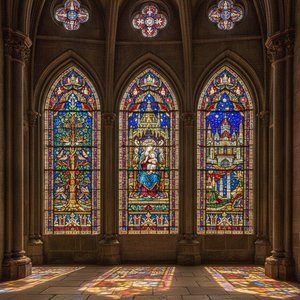
Luminous Masterpieces: The Captivating Beauty and Timeless Elegance of Stained Glass Artworks
Embark on a visual journey through the luminous world of stained glass art. Discover the exquisite craftsmanship, historical significance, and captivating beauty of masterworks from Art Nouveau to the Gothic era, curated for the discerning fine art enthusiast.
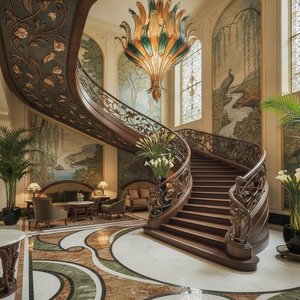
Art Nouveau Guide: Integrating Elegant Curves and Organic Design into Luxury Hotel Interiors
Master Art Nouveau integration for luxury hotel interiors. Discover expert strategies for utilizing organic curves, whiplash lines, and botanical motifs to create sophisticated, high-end hospitality spaces with scalable, professional art procurement solutions.
艺术新潮的十个杰作:定义时代的华丽与创新
探索艺术新潮的十个杰作!高更、慕夏、克里姆特等大师作品,揭秘其背后的故事与精湛技艺。从优雅曲线到绚丽色彩,感受现代艺术的魅力。OriginalUniqueArt.com为您提供博物馆品质的艺术品复制和家居装饰灵感。在线探索完整系列!
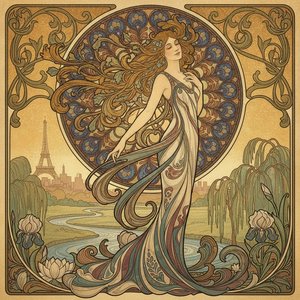
The Elegance of Art Nouveau: Embracing Nature's Fluid Beauty and the Belle Époque Spirit
Discover the enchanting world of Art Nouveau. Explore the organic beauty, flowing lines, and Belle Époque elegance that defined an era of unparalleled craftsmanship and natural inspiration.
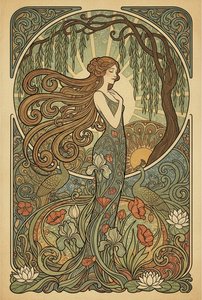
新艺术运动:自然灵感、工艺复兴与现代美学的融合之旅
探索新艺术运动的迷人世界:从工艺美术运动的起源到自然主义设计和现代美学的融合。OriginalUniqueArt为您提供专业的艺术咨询、定制油画服务,助您收藏与鉴赏珍品。