Rococo
Tea-time (Emile Eisman Semenovsky)
Emile Eisman Semenovsky (1859–1911) 创作了《Tea-time》。 它属于 Rococo 运动。

 实景预览

 手工油画复制品
 分享
 分享
 详情页


 下载作品
 相似作品
 X射线
 幻灯片播放
 问答

 统计数据
Tea-time简介
- 标题
- Tea-time
- 艺术家
- Emile Eisman Semenovsky (1859–1911)
- 流派
- Rococo
- 主题
- portrait, rococo, tea time, elegance, woman, luxury
Tea-time 的高分辨率图像
Emile Eisman Semenovsky, Tea-time. 公有领域
关于 Tea-time 的常见问题解答
Emile Eisman Semenovsky 的《Tea-time》 描绘了什么内容?
Emile Eisman Semenovsky 的《Tea-time》 中呈现的主题包括 portrait, rococo, tea time, elegance, woman, luxury, soft colors, russian art,这些主题共同构成了该艺术作品的主旨。
"Tea-time" 是否属于公有领域作品?
关于版权,"Tea-time" 属于 属于公有领域 —— 其版权已过期。
“Tea-time”的作者是谁?
《Tea-time》被归为Emile Eisman Semenovsky的作品。
"Tea-time" 属于哪种艺术风格?
Emile Eisman Semenovsky 的《Tea-time》 所属的艺术流派为 Rococo。这一分类将该作品置于相关艺术家及艺术作品的语境之中。
"Tea-time" 属于 Emile Eisman Semenovsky 艺术生涯中的哪个时期?
"Tea-time" 展现了 Emile Eisman Semenovsky 在 Mature Period 时期的艺术风格。
为什么“Tea-time”目前的版权状态是这样的?
Emile Eisman Semenovsky 的《Tea-time》 已进入 属于公有领域 —— 其版权已过期。版权保护期自艺术家逝世之日起计算,该艺术家于 1911 年逝世。
“Tea-time”是如何体现 Emile Eisman Semenovsky 的创作主题与艺术风格的?
"Tea-time" 与 Emile Eisman Semenovsky 的其他作品一样,都体现了 Rococo 风格以及其一贯的主题:genre scenes of russian life, rococo elegance, romantic beauty, classical grace, aristocratic leisure, russian social scene。
在Emile Eisman Semenovsky反复探讨的主题中,"Tea-time"处于怎样的地位?
"Tea-time" 描绘了 portrait, rococo, tea time, elegance, woman, luxury, soft colors, russian art,而 Emile Eisman Semenovsky 的创作主题则以 genre scenes of russian life, rococo elegance, romantic beauty, classical grace, aristocratic leisure, russian social scene 见长。通过两者的对比,可以发现此作与艺术家惯用题材之间的内在联系。
关于艺术家 Emile Eisman Semenovsky
1859–1911
Emile Eisman Semenovsky
The Ethereal Vision of Emile Eisman-Semenowsky Émile Eisman-Semenowsky remains a captivating figure in the late nineteenth-century Parisian art scene, an artist whose work serves as a bridge between the rigorous discipline of academic realism and the fleeting, luminous qualities of Impressionism. Born in Poland around 1857, his early life is shrouded in much of the mystery that often surrounds artists of great talent but sparse documentation. Likely of Jewish descent, he moved through the cultural landscapes of Eastern Europe before finding his creative home in France. This movement between worlds—from the traditions of his Polish roots to the avant-garde energy of Paris—imbued his work with a unique perspective, allowing him to capture a sense of "otherness" that would become his artistic hallmark.
Emile Eisman Semenovsky 的其他作品
 The Maiden of Spring1882
 Marguerite1882
 Gypsy Girl1886
 Leisure Moments1890
关于 Tea-time 的论文集
 洛可可美学:18世纪艺术中的奢华、反叛与愉悦追求深入探索18世纪洛可可艺术的奢华与反叛。了解其风格特征、代表画家及其作品,以及对后世艺术的影响。OriginalUniqueArt提供精美手绘油画复制品和专业艺术咨询服务。
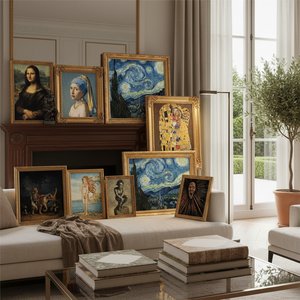 Timeless Masterpieces: 10 Classic Artworks for Elegant Homes |Explore 10 timeless masterpieces – from Van Gogh to Rembrandt – that define classic art & evoke enduring moods. Discover art history, techn…
 Fyodor Rokotov: Intimacy & Enlightenment in Russian PortraitureExplore the captivating portraits of Fyodor Rokotov, a master of 18th-century Russian art. Discover his unique psychological realism, Rococ…