

 效果预览
效果预览
 购买印刷品
购买印刷品 分享
分享 分享
分享
 详情
详情

 下载
下载
 相似作品
相似作品 X射线
X射线 幻灯片播放
幻灯片播放A Sermon in the Oude Kerk, Delft
 Oil On Canvas
- WallArt
- Baroque
 1651
1651 73.0 x 60.0 cm
 加拿大国家美术馆
 展开详情
展开详情




P118B $10

P118H $10

P118W $10

P438Z $10

P508JH $12

P508YH $12

P805H $10

P805Z $10

P919BZ $10

P919G $10

P919XJ $10

P959ZH $10

P968JZ $12

W106C $8

W218G $10

W218JH $8

W218Y $10

W307PJ $10

W316G $10

W316PJ $8

W316Y $10

W398PJ $8

W4111J $10

W500HY $15

W500JH $15

W692G $12

W849H $8

W940BG $15

W953PJ $8




从与原作比例一致的预设尺寸中进行选择。

您可以输入自定义尺寸,以适配特定的画框或空间。如果所选尺寸与原图比例不符,我们将通过裁剪作品或添加手绘元素来扩展画面。数字样稿将在制作开始前发送给您确认。
请注意,屏幕预览无法准确反映实际的裁剪或扩展效果,只有样稿才能真实呈现最终的构图。
虽然我们提供定制尺寸服务,但为了保留原作比例,建议您从预设列表中选择尺寸。
下单后,OriginalUniqueArt.com 团队将通过电子邮件联系客户获取具体要求,并提供效果预览图。


 玻璃选项仅适用于110厘米以下的尺寸。

A Sermon in the Oude Kerk, Delft
复制材质
复制品尺寸
-


最终总价
$ 300
作品详情
The Soul of a Sacred Space: Emanuel de Witte’s ‘Interior of the Oude Kerk’
Emanuel de Witte's “A Sermon in the Oude Kerk, Delft” isn’t merely a painting; it’s an invitation. An invitation to step through its painted doorway and experience the quiet reverence, the diffused light, and the palpable sense of history within one of Holland’s most iconic churches. Completed around 1650, this remarkable work transcends simple architectural documentation, instead capturing the very *feeling* of being present in a sacred space – a feat rarely achieved by his contemporary, Pieter Saenredam, whose meticulous renderings focused primarily on precise lines and structures. De Witte sought to evoke atmosphere, to translate the spiritual essence of the Oude Kerk into a visual experience that resonates deeply with the viewer.
The painting immediately draws the eye through its masterful use of light. It’s not a bright, overtly dramatic illumination; rather, it's a soft, almost ethereal glow filtering through the stained glass windows and illuminating dust motes dancing in the air. This subtle lighting creates an illusion of depth, pulling the viewer into the heart of the church. Notice how De Witte doesn’t simply depict the architecture – he renders the *impression* of light upon it, imbuing the scene with a sense of tranquility and contemplation. The perspective is subtly skewed, lending a dreamlike quality to the space, as if we are momentarily transported into another realm.
A Window into Delft’s Golden Age
Delft itself holds immense historical significance. The Oude Kerk, dating back to the 14th century, has been a focal point of Dutch life for centuries, witnessing pivotal moments in the nation's history – from the arrival of William of Orange to the rise of the Dutch East India Company. De Witte’s painting serves as a poignant reminder of this rich heritage. The inclusion of details like the genealogical panels and the organ—symbols of both civic pride and religious devotion—ground the scene firmly within Delft’s identity. The presence of a dog, calmly observing the sermon, adds an unexpected layer of humanism, suggesting that even in a place of solemnity, everyday life continues to unfold.
Furthermore, the painting reflects the burgeoning artistic and intellectual climate of 17th-century Delft. The city was a hub for trade, craftsmanship, and innovation – particularly in the production of Delft Blue pottery, a style that would become synonymous with Dutch artistry. De Witte’s meticulous attention to detail and his ability to capture the nuances of light and shadow were hallmarks of this era's artistic flourishing. The painting is not just a religious scene; it’s a microcosm of Delft itself – vibrant, complex, and deeply rooted in tradition.
Symbolism and Emotional Resonance
Beyond its historical context, “A Sermon in the Oude Kerk” is rich in symbolism. The grave in the foreground serves as a potent reminder of mortality—a grounding element within the otherwise ethereal space. The figures present are not idealized representations; they are ordinary people engaged in a common ritual. This accessibility invites viewers to connect with the scene on a personal level, fostering a sense of shared humanity and spiritual connection. The painting’s overall mood is one of quiet contemplation and reverence—a feeling that lingers long after you've turned away from the canvas.
De Witte masterfully uses color to enhance this emotional impact. The muted tones of brown, gray, and gold create a sense of warmth and intimacy, while the splashes of blue in the stained glass windows add a touch of vibrancy and spiritual energy. The painting’s composition—with its diagonal lines and carefully arranged elements—guides the viewer's eye through the space, creating a dynamic yet harmonious visual experience.
A Legacy of Atmospheric Mastery
Emanuel de Witte’s “Interior of the Oude Kerk” stands as a testament to his unique artistic vision. Unlike Pieter Saenredam, who meticulously documented architectural details, De Witte prioritized capturing the *feeling* of space—the light, the atmosphere, and the spiritual essence of sacred interiors. This painting is not simply a representation of a church; it’s an immersive experience that transports the viewer to another time and place. Reproductions of this work continue to captivate audiences today, offering a glimpse into the soul of Delft and the enduring power of art to evoke emotion and inspire contemplation.
艺术家简介
透视中的生命:埃马努埃尔·德维特的世界
埃马努埃尔·德维特,这个名字或许不如一些荷兰黄金时代同时代的艺术家那样耳熟能详,但他在十七世纪大师的殿堂中占据着一个重要而迷人的位置。他于1617年出生于阿尔克马尔,德维特的艺术生涯充满了非凡的天赋和巨大的个人动荡——这种二元性似乎微妙地渗透到了他画作的每一个氛围之中。他并非像彼得·萨恩雷达姆那样沉迷于一丝不苟的建筑记录;相反,他渴望捕捉的是空间的感觉、光线的质感,以及在神圣室内上演的微妙戏剧。他的画布不仅仅是教堂的描绘;它们是身临其境的体验,邀请观者进入一个宁静沉思和精神共鸣的世界。从代尔夫特学养到阿姆斯特丹的怀抱
德维特的早年生活为他的艺术追求奠定了坚实的基础。他的父亲是一名学校教师,在他心中播下了对学习和求知欲的欣赏——这些品质后来体现在他对透视和光线的细致观察之中。他于1636年在阿尔克马尔加入了圣卢克行会,正式步入艺术界,但真正塑造他的是他在代尔夫特跟随埃弗特·范阿尔斯特(Evert van Aelst)的学徒经历。范阿尔斯特是一位著名的静物画家,将敏锐的细节观察力和对光影的大师级掌控力传授给了德维特——这些技能后来成为了他成熟风格的标志。起初,德维特涉猎了各种题材——肖像画、神话场景、宗教叙事——但直到1651年搬到阿姆斯特丹,他才真正找到了自己的使命。这座城市众多宏伟的教堂提供了取之不尽的灵感源泉,使他开始专注于描绘这些令人敬畏的内部空间。氛围与想象空间的大师
阿姆斯特丹对德维特的艺术发展起到了决定性的作用。他并非简单地复制已有的教堂空间;相反,他巧妙地综合了不同建筑的元素,创造出既熟悉又略带超凡脱俗的理想化室内场景。阿姆斯特丹的老教堂成了他的常客题材,从不同的视角反复出现在他的画作上。但这些绝非简单的描摹。德维特操纵透视,玩味光影,并用精心布置的人物填充空间,以唤起特定的情绪或氛围。正如沃尔特·利德克(Walter Liedtke)所观察到的,他的主要兴趣点不在于建筑本身,而在于“空间本身——它的光线、色彩、广阔程度和情绪”。这种对氛围效果的强调使他区别于那个时代那些更注重描绘地貌细节的画家。他不关心精确的准确性;他热衷于营造一种宏伟、敬畏和精神深邃的“感觉”。一段被阴影笼罩的生命
尽管在艺术上取得了成功,德维特的个人生活却饱受艰辛的折磨。第一任妻子的去世带来了巨大的悲痛,随后涉及第二任妻子和女儿的法律纠纷在他晚年投下了长长的阴影。经济上的困境使他陷入了为艺术商人约里斯·德维斯(Joris de Wijs)做契约奴役的屈辱境地,最终他违背了这份协议,导致了更进一步的麻烦。同时代的记载描绘了一个情绪不稳定的形象——一个容易对客户大喊大叫并卷入争执的人。这种内心的挣扎或许促成了他后期作品的不稳定,但也为我们理解这位艺术家及其创作增添了另一层复杂性。悲剧的是,德维特的一生最终在1692年画上了休止符,据传他在运河的桥上企图自缢;绳索断裂,他溺水身亡。这对一个毕生致力于捕捉神圣空间之美与宁静的人来说,是一个凄凉的结局。遗产与不朽的影响
埃马努埃尔·德维特是荷兰建筑画最后阶段一位重要的代表人物,他在一丝不苟的记录和氛围化的诠释之间架起了一座桥梁。他对光线和透视的创新运用影响了后世一代又一代的艺术家,他的画作至今仍为我们提供了了解十七世纪荷兰宗教生活和社会习俗的宝贵见解。如今,德维特的作品被收藏在全球著名的博物馆中——包括大都会艺术博物馆、国家美术馆和国立博物馆等——证明了他作为透视大师、氛围营造者和情感共鸣者的不朽遗产。他提醒着我们,艺术不仅仅关乎我们所“看见”的,更关乎当我们凝视时所“感受”到的。
埃马努埃尔·德维特
1617 - 1692 , 荷兰
艺术家简介
- Artistic Movement Or Style: 巴洛克艺术
- Artists Or Movements Influenced By This Artist: ['后来的艺术家']
- Artists Who Influenced This Artist: ['埃弗特·范·阿尔斯特']
- Date Of Birth: 1617年
- Date Of Death: 1692年
- Full Name: 埃马纽尔·德维特
- Nationality: 荷兰
- Notable Artworks:
- 阿姆斯特丹旧教堂...
- 旧教堂内部
- 新教哥特式教堂
- Place Of Birth: 阿尔克马尔,荷兰
相关文章

戈雅大师25幅杰作:西班牙灵魂的艺术之旅| OriginalUniqueArt
探索戈雅大师的25幅杰作!深入了解西班牙绘画巨匠Francisco Goya的艺术世界,从洛可可到浪漫主义风格,感受黑加仑时代的情感力量。OriginalUniqueArt.com提供高品质油画复制品和家居装饰灵感。立即在线发现所有名画!

About Us
Discover our story! We bring world-class art into your life through expert curation, personalized creations, and free previews. Trusted by individuals and businesses since 2000.
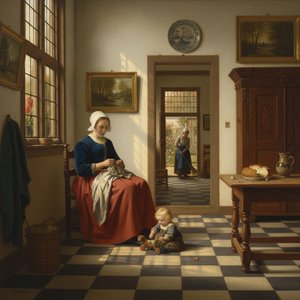
Pieter de Hooch: Illuminating Dutch Domestic Life & Golden Age Charm
Explore the captivating world of Pieter de Hooch, a master of Dutch Golden Age painting. Discover his innovative use of light, intimate domestic scenes, and lasting influence on art history. Learn more at OriginalUniqueArt.
Harmonizing Contrasts: Integrating Abstract Art into Classic Interiors for Timeless Modernity
Elevate your classic home with abstract art! Discover expert tips for seamlessly blending modern pieces into timeless interiors. Find the perfect artwork & design advice at OriginalUniqueArt.
Harmonizing History & Hue: A Guide to Matching Art Styles with Interior Architecture for Balanced Décor
Elevate your interior design with our expert guide to harmonizing art styles & architecture. Discover timeless pieces, color palettes, & custom artwork solutions for balanced, luxury spaces. Expert advice included!

