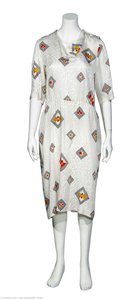
实景预览
实景预览
 分享
分享 分享
分享
 详情
详情 指南
指南

 下载作品
下载作品
 相似作品
相似作品 X射线
X射线 幻灯片播放
幻灯片播放 Q&A
Q&A 统计数据
统计数据The Circus Collection


 展开全文
展开全文
艺术微喷/版画
博物馆级艺术微喷或帆布版画,制作高效,并提供多种饰面选择。 ( 订购纯手工绘制画作 切换至数字图像销售渠道)




P118B ¥10

P118H ¥10

P118W ¥10

P438Z ¥10

P508JH ¥12

P508YH ¥12

P805H ¥10

P805Z ¥10

P919BZ ¥10

P919G ¥10

P919XJ ¥10

P959ZH ¥10

P968JZ ¥12

W106C ¥8

W218G ¥10

W218JH ¥8

W218Y ¥10

W307PJ ¥10

W316G ¥10

W316PJ ¥8

W316Y ¥10

W398PJ ¥8

W4111J ¥10

W500HY ¥15

W500JH ¥15

W692G ¥12

W849H ¥8

W940BG ¥15

W953PJ ¥8




您可以从与原作比例一致的预设尺寸中进行选择。

请输入您所需的宽度和高度,以适配您的画框或墙面。由于印刷品只能进行裁剪,无法超出原图尺寸,因此若比例不一致,画面的一部分将会被裁切。在正式印刷之前,我们会为您发送一份数字效果图供您确认。本页面显示的图片并非最终裁剪后的效果——只有效果图才能展示真实的裁剪情况。


 玻璃选项仅适用于110厘米以下的尺寸。

The Circus Collection
艺术微喷/版画
复刻品尺寸
-


最终结算价
¥ 538
The Surrealist Echoes of “The Circus Collection”
Elsa Schiaparelli’s “The Circus Collection,” debuting in Paris during the summer of 1938, stands as an emblem of her singular artistic vision—a defiant rejection of convention fused with a fascination for theatrical spectacle and unsettling beauty. More than just a fashion show; it was a meticulously crafted performance designed to shock and delight audiences accustomed to the polished elegance of established couture houses. Presented against the backdrop of escalating anxieties surrounding the impending Second World War, Schiaparelli’s collection served as an audacious assertion of artistic freedom—a bold declaration that creativity could transcend political pressures. The influence of Surrealism permeated every aspect of its conception, from the whimsical motifs adorning the garments to the deliberate manipulation of textures and forms. This collaboration between Schiaparelli and Salvador Dalí cemented her reputation as a pioneer of visual experimentation, propelling her into the forefront of European avant-garde culture.- Subject Matter: The collection’s central theme revolved around the circus—a realm of illusion, transformation, and primal instinct. Schiaparelli skillfully employed imagery associated with acrobats, elephants, tents, clowns, and performers to evoke a sense of dynamism and theatrical grandeur.
- Style: Surrealist aesthetics dominated the aesthetic sensibilities of “The Circus Collection.” The designs eschewed traditional silhouettes, favoring asymmetrical shapes and exaggerated proportions that challenged conventional notions of femininity. Schiaparelli’s penchant for trompe l'œil—optical illusions designed to deceive the eye—was particularly evident in the fabric prints and embellishments.
- Technique: The fabrics utilized in “The Circus Collection” were chosen with deliberate care, reflecting Schiaparelli’s commitment to textural contrast and innovative craftsmanship. Silk twill was employed as the primary material for the dresses and jackets, providing a sturdy foundation for intricate embroidery and appliqué techniques. Metallic thread—particularly gold—was extensively incorporated into the embellishments, lending an opulent sheen that amplified the collection's theatrical impact.
Symbolism: Horses, Transformation, and Illusion
The recurring motif of rearing horses—rendered in shades of blue embellished with metallic thread—served as a potent symbol within “The Circus Collection.” Horses traditionally represent strength, nobility, and untamed spirit—qualities Schiaparelli sought to embody through her designs. Furthermore, the horse’s upward gaze conveyed a sense of aspiration and transcendence—a visual allusion to Dalí's fascination with metamorphosis and transformation. The trompe l'œil fabric prints—featuring stylized depictions of acrobats and performers—reinforced this thematic preoccupation with illusion and deception. Schiaparelli deliberately manipulated perspective and scale to create optical illusions that blurred the boundaries between reality and fantasy, mirroring the Surrealist impulse to destabilize viewers’ perceptions.- Horses: Representing strength and nobility, the horses were embroidered in shades of blue embellished with metallic thread—a deliberate choice to convey aspiration and transcendence.
- Trompe l'œil Prints: Schiaparelli employed optical illusions to create a sense of disorientation and wonder—reflecting Surrealist principles of destabilizing viewers’ perceptions.
- Fabric Texture: The silk twill fabric was chosen for its textural contrast, enhancing the collection’s visual richness and amplifying its theatrical impact.
Emotional Impact: Shocking Beauty and Artistic Rebellion
“The Circus Collection” aimed to provoke an emotional response in viewers—challenging their expectations of haute couture and affirming Schiaparelli's unwavering conviction that art could transcend societal norms. The collection’s audacious color palette—dominated by vibrant hues like magenta and turquoise—contributed to its arresting visual appeal. More importantly, Schiaparelli’s designs communicated a palpable sense of rebellion against convention—a defiant assertion of artistic freedom in the face of prevailing cultural pressures. By embracing Surrealist aesthetics and employing innovative techniques, Schiaparelli created garments that captivated audiences with their unsettling beauty and intellectual provocation. The collection remains an enduring testament to Schiaparelli's pioneering spirit—a celebration of imagination and a rebuke to complacency.Concluding Remarks: A Legacy of Surrealist Innovation
Ultimately, “The Circus Collection” solidified Elsa Schiaparelli’s position as one of the foremost figures in 20th-century fashion—a visionary designer who irrevocably altered the landscape of haute couture. Her collaboration with Dalí—characterized by a shared commitment to visual experimentation and intellectual provocation—established her reputation as a champion of Surrealist ideals. As a result, Schiaparelli’s work continues to inspire artists and designers today—serving as an enduring reminder that true creativity resides in challenging established conventions and embracing the transformative power of imagination.常见问题与解答
在哪里可以找到关于“The Circus Collection”的指南?
"The Circus Collection" 的指南请参阅作品的 指南 页面 —— 这是一份可打印的信息单,包含了该作品的说明、署名以及详细信息表(艺术家、日期、媒介、原尺寸、馆藏)。
艾尔莎·夏帕瑞丽 的《The Circus Collection》 使用了怎样的色调?
艾尔莎·夏帕瑞丽 的《The Circus Collection》 的色调被描述为 Neutrals,这简练地概括了作品的色彩特征。
“The Circus Collection”的主题是什么?
"The Circus Collection" 的描绘主题为 fashion, surrealism, haute couture, elsa schiaparelli, dalí collaboration, jewelry, circus theme。
艺术家简介
高级定制中的叛逆灵魂:艾尔莎·夏帕瑞丽的世界
艾尔莎·路易莎·玛丽亚·夏帕瑞丽(Elsa Luisa Maria Schiaparelli),这个名字本身就是大胆风格与超现实主义创新的代名词,她彻底改变了20世纪时尚的版图。1890年,她出生于罗马的一个贵族家庭,其人生轨迹绝非循规蹈矩。不同于许多恪守社会规范的同辈,夏帕瑞丽拥有一种极其独立的精神,这种精神由无尽的求知欲和挑战传统的渴望所驱动。她的父亲切莱斯蒂诺·夏帕瑞丽是一位著名的伊斯兰研究与梵文学者,为她营造了浓厚的学术氛围;而她的叔叔——以观测火星“运河”闻名的天文学家乔瓦尼·夏帕瑞丽,则在她心中种下了对宇宙与非凡事物的终身痴迷。这种独特的成长环境赋予了她对艺术、神话和神秘思想的热爱,并深刻地塑造了她的审美愿景。早期的叛逆倾向不仅体现在对社会期待的蔑视,也体现在她动荡的个人生活中,包括与神秘主义者威廉·德·克洛尔(Wilhelm de Kerlor)的婚姻,这位自诩为通灵者的影响力进一步将她推向了通灵术与神秘学领域——这些主题也微妙地渗透在她后期的设计之中。从针织品到超现实宣言:时装屋的崛起
夏帕巡丽进入时尚界的旅程最初是务实的,源于对当时既有风格的不满。20世纪20年代末,她开始尝试针织服装,敏锐地察觉到市场对于舒适且精致服饰的需求空白。1927年,她在巴黎创立了自己的时装屋,并迅速从针织品扩展到全系列的高级定制设计。然而,真正的巅峰出现在20世纪30年代,夏帕瑞丽通过与超现实主义运动的领军艺术家进行开创性的合作,确立了其艺术地位。这一时期标志着对当时巴黎时尚主流风格——那种追求流线型轮廓与含蓄华丽感的审美——的一次激进背离。夏帕瑞丽的设计带有刻意的挑衅性、趣味性,甚至时而令人感到不安,她拥抱荒诞,挑战传统的审美定义。她与萨尔瓦多·达利(Salvador Dalí)的合作成果斐然,诞生了如1937年的“龙虾裙”(Lobster Dress)——在丝绸上绘有鲜艳的龙虾,以及1938年的“鞋帽”(Shoe Hat)——一款形状如同高跟鞋的奇趣头饰。让·科克托(Jean Cocteau)也为她的作品做出了重要贡献,设计的惊艳刺绣与配饰进一步升华了这种超现实主义美学。震撼粉与错视画法:定义独特的审美语言
夏帕瑞丽的设计因其大胆的色彩运用而具有极高的辨识度,其中最著名的莫过于她的标志性“震撼粉”(shocking pink)——这是一种充满活力、近乎侵略性的色调,公然对抗着同时代人所青睐的柔和色调。这种大胆的选择成为了她叛逆精神与挑战既定规范之决心的象征。除了色彩,夏帕瑞丽还精妙地运用了“错视画法”(trompe-l'œil)效果,创造出模糊艺术与时尚边界的幻象。她在设计中融入了意想不到的材质——皮革、金属,甚至是报纸印刷品——不断推向纺织创新的极限。她的系列作品常从神话、自然和日常器物中汲取灵感,将其转化为可穿戴的艺术品。1938年的“马戏团系列”(Circus Collection)便是这种趣味化尝试的见证,其戏剧化的服装点缀着奇幻图案与夸张轮廓。而1936年的一款晚礼服大衣则展示了她在高级时装中对皮革的大胆运用,证明了她实验非常规材质的勇气。夏帕瑞丽不仅仅是在设计衣服,她是在创造一种沉浸式的体验,捕捉想象力并挑战人们的认知。传承与复兴:永恒的影响力
尽管在二战后面临过财务困境和人气下滑,但艾尔莎·夏帕瑞丽对时尚界的影响力依然不可撼动。她为后世设计师通过艺术合作来突破创意边界铺平了道路。她对材质的创新运用、对设计的趣味探索以及无畏的实验精神,至今仍在激励着当代艺术家与时装屋。她的作品被收藏于世界各地的著名博物馆,包括京都服装学院博物馆和维多利亚与艾伯特博物馆,巩固了她在时尚史上的地位。夏帕瑞丽时装屋(The Maison Schiaparelli)在沉寂数十年后于2014年重新焕发生机,证明了其远见卓识的设计具有持久的魅力。这场复兴将她的先锋精神带给了新一代人,证明了她的遗产早已超越了20世纪中叶的范畴。艾尔莎·夏帕瑞丽真正的创新不仅在于创造美丽的衣裳,更在于将时尚重新定义为一种艺术形式——这一大胆的宣言至今仍在回响。核心作品与系列
- 马戏团系列 (1938): 一场充满创新设计的华丽展示,以戏剧化服装和奇幻图案为特色。
- 晚礼服大衣 (1936): 展示了她在高级时装中对皮革等非常规材质的运用。
- 龙虾裙 (1937): 与萨尔瓦多·达利的合作杰作,在丝绸上呈现出鲜艳的龙虾图像。
- 鞋帽 (1938): 夏帕瑞丽与达利创作的另一件标志性作品,帽子形状酷似一只鞋子。

艾尔莎·夏帕瑞丽
1890 - 1973 , 意大利
艺术家简介
- Artistic Movement Or Style: 超现实主义时尚
- Artists Or Movements Influenced By This Artist: ['当代设计师']
- Date Of Birth: 1890年
- Date Of Death: 1973年
- Full Name: 艾尔莎·路易莎·玛丽亚·斯基亚帕雷利
- Nationality: 意大利
- Notable Artworks:
- 龙虾裙
- 鞋帽
- 晚礼服外套
- 马戏团系列
- Place Of Birth: 意大利,罗马
相关文章

萨尔瓦多·达利:25幅大师级作品,重塑超现实主义艺术与家居美学
探索萨尔瓦多·达利25幅大师级作品,领略超现实主义的奇幻魅力!深入了解达利的艺术风格、梦境般的色彩与象征意义。OriginalUniqueArt.com提供博物馆品质的达利画作复制品,为您的家居带来艺术灵感。立即探索完整系列!

Decoding Dalí: The Secrets of the Paranoiac-Critical Method and Surrealist Symbols
Unlock the mysteries of Salvador Dalí. Explore the profound secrets behind his Paranoiac-Critical Method and decode the surrealist symbols that define his legendary dreamscapes in this expert art history guide.
浮世奇想:十幅定义超现实主义的艺术杰作
探索超现实主义的十幅艺术瑰宝!从达利到马格里特,重温这些定义了梦境与想象力的杰作。深入了解艺术家故事、创作技法,感受色彩与情感的力量。OriginalUniqueArt.com为您提供博物馆品质画作复制及精选家居装饰方案。尽在OriginalUniqueArt.com!

Decoding Dalí: The Paranoiac-Critical Method and Surrealist Symbols Explained
Master the complexities of Salvador Dalí's work. Explore the Paranoiac-Critical Method, decode iconic Surrealist symbols, and understand the psychological depth behind his technical brilliance in this expert art history guide designed for students and collectors.
Salvador Dalí: Surrealism, Subconscious Exploration & Artistic Innovation
Explore the captivating world of Salvador Dalí! Discover his surrealist masterpieces, profound connection to Freud's theories, and lasting impact on art & culture. A deep dive into a visionary artist.