
 效果预览
效果预览
 切换至印刷版
 分享
分享 分享
分享
 详情
详情

 下载
下载
 相似作品
相似作品 X射线
X射线 幻灯片播放
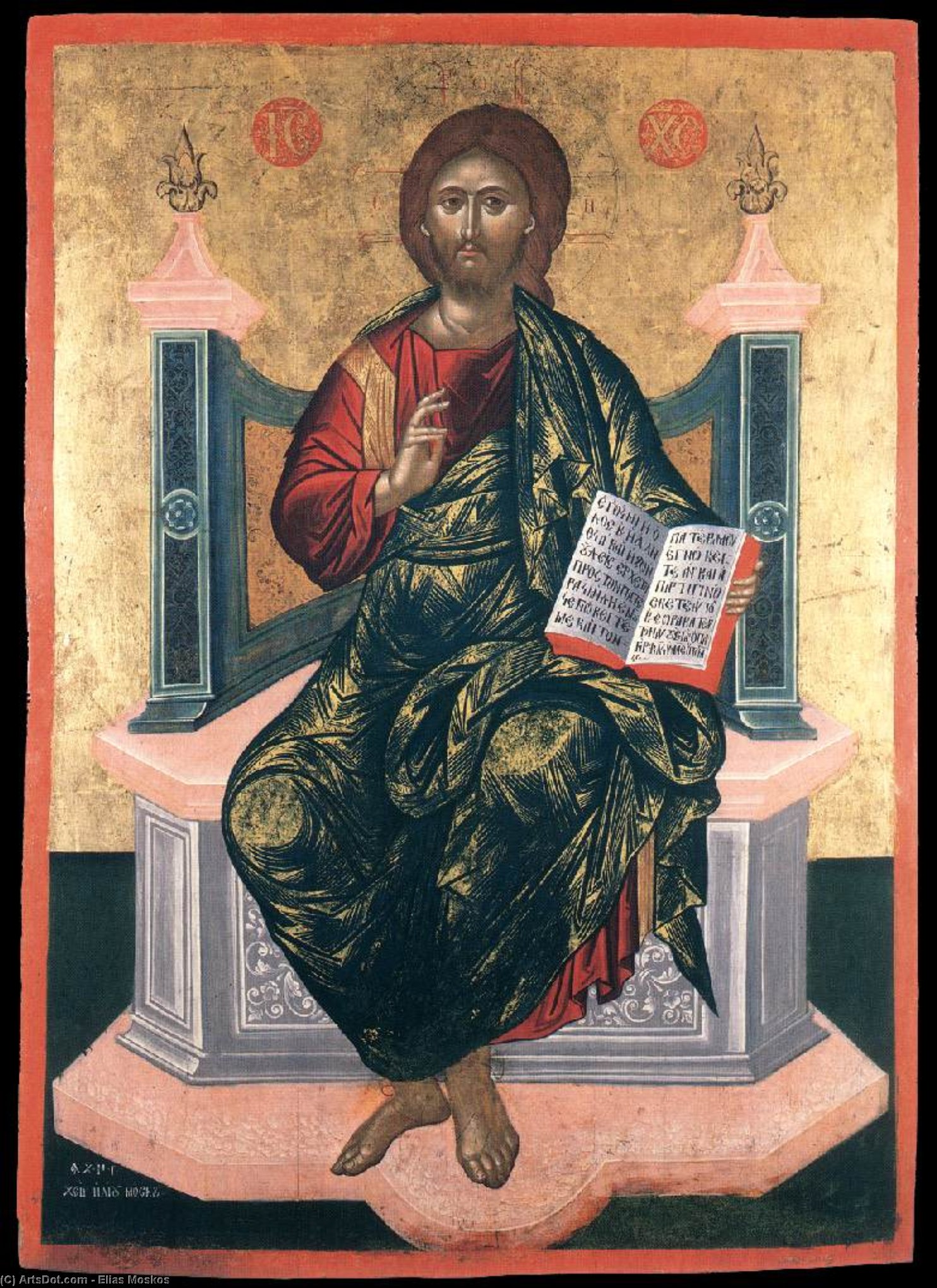
幻灯片播放Christ Pantocrator
 Oil
Oil- WallArt
- Baroque
 1653
1653- Early Modern
 119.0 x 85.0 cm
 Ikonen-Museum
 展开详情
展开详情
购买高分辨率增强版数字图像,其品质远超在线预览。
每一份文件都由我们的内部专家使用先进工具与专业的后期润色技术精心打造。我们确保每一张图像都具备卓越的清晰度、精准的色彩还原度以及细腻的细节表现。
最终文件将在 72 小时内通过电子邮件交付,并针对专业、编辑及印刷用途进行了优化。其品质与顶级设计工作室、出版社和画廊所信赖的标准完全一致。
每份数字图像订单均包含
专业数字图像交付,品质保障
选择 OriginalUniqueArt.com,您获得的不仅仅是一张图像——您收到的是经过专业级增强、精雕细琢的数字艺术作品,并享有满意保证。以下是您的订单中自动包含的所有内容:

邮件快速送达
您的高分辨率数字图像文件将在下单后 72 小时内通过电子邮件发送给您 —— 即可立即使用。

AI 增强型数字文件
您的艺术品经过专业优化,结合先进的 AI 技术与人工修饰,确保呈现极致的细节、清晰度与色彩准确度。

终身免费重发服务
不小心删除了文件或找不到了?没关系——我们将随时为您免费重发。

无需进口费用,始终如一
即刻拥有您的艺术作品,无需支付任何关税、税费或运费——数字下载始终免税。

色彩精准保证
我们通过专业工具与色彩管理技术,确保您的数字图像尽可能真实地还原原作色彩。

60天满意保证
如果您对所购买的数字图像不满意,我们将在60天内为您进行修改或退还100%的款项——无需任何解释。

100% 退款保证
如果不满意?在收到数字文件后的60天内,我们为您提供全额退款——无需任何理由。

批量订单优惠
购买 3 张图片可享 10% 折扣 - 购买 5 张可享 15% 折扣 - 购买 10+ 张可享 20% 折扣。非常适合创意项目、画廊和机构使用。
艺术家简介
Lavinia Fontana: A Pioneer of Female Artistic Voice
Lavinia Fontana (1552 – 1614) stands as a monumental figure in the history of art, recognized today as perhaps the first professional female artist to establish herself independently in Western Europe. Born into a family deeply rooted in the artistic traditions of Bologna, Italy, her journey was one of remarkable resilience and creative triumph against prevailing societal constraints. Her story isn’t simply that of an artist; it's a testament to the persistent pursuit of recognition within a world largely dominated by men. Her father, Prospero Fontana, was a respected painter known for his work in stucco decoration and frescoes, providing Lavinia with an invaluable early education in artistic techniques and practices. This familial connection offered her a unique advantage – access to a workshop environment and the opportunity to learn alongside her father, something rarely afforded to women of the era. Lavinia’s training began within the walls of her father's studio, where she honed her skills in tempera painting, a medium particularly favored for devotional works. Early commissions focused primarily on small-scale paintings intended as gifts – religious icons and portraits destined for wealthy patrons or diplomatic missions. These pieces, often executed on copper panels, were highly sought after due to the metal’s inherent value and luster. Her early work demonstrates a clear influence from the Bolognese School of painting, characterized by its rich colors, meticulous detail, and a focus on realistic representation – particularly evident in her 1576 masterpiece, *Christ with the Symbols of the Passion*, now housed at the El Paso Museum of Art. This piece showcases her burgeoning talent for capturing human emotion and rendering complex subjects with remarkable precision. However, it’s important to note that Lavinia's career unfolded within a context where female artists were largely excluded from formal training and professional opportunities. She navigated this challenging landscape by leveraging her family connections and establishing herself as a respected commercial artist, relying on commissions rather than patronage for her livelihood.A Unique Path: Portraiture and Mythological Scenes
While Lavinia’s early work was largely devotional, she gradually expanded her repertoire to encompass portraiture and mythological scenes – genres typically reserved for male artists. This shift is particularly significant as it suggests a deliberate effort on her part to challenge conventional artistic boundaries. Her portraits are notable for their psychological depth and subtle expressions, capturing the personalities of her subjects with remarkable sensitivity. However, perhaps more controversially, Lavinia is considered by some art historians to be the first female artist to depict nude female figures in Western painting. While the evidence remains debated, her 1575 work, *Child of the Monkey*, a lost masterpiece, and later works like *The Virgin and Child with Saints* (circa 1580) hint at this pioneering approach. These depictions, though often interpreted as allegorical or symbolic, represent a bold step towards asserting female agency within the visual arts – a daring act in a society that largely relegated women to domestic roles.The Influence of Mannerism and Beyond
Lavinia Fontana’s artistic style is firmly rooted in the Mannerist movement, characterized by its elongated figures, complex compositions, and dramatic use of color. She absorbed influences from prominent Mannerist artists like Parmigianino and Bronzino, adapting their techniques to her own unique vision. However, she also demonstrated a keen awareness of contemporary trends and incorporated elements of realism and naturalism into her work. Notably, she studied under Denis Calvaert, a Netherlandish artist who had once been a pupil of Prospero Fontana, gaining valuable insights into Northern European painting styles. This exposure broadened her artistic horizons and allowed her to synthesize diverse influences into a distinctive style that was both elegant and emotionally resonant.Legacy and Historical Significance
Lavinia Fontana’s legacy extends far beyond her individual artworks. She represents a pivotal moment in the history of art, demonstrating that women were capable of achieving professional success as artists – not just as assistants or imitators, but as independent creators with their own unique voices. Her story challenges traditional narratives about artistic production and highlights the systemic barriers faced by female artists throughout history. While her life was marked by hardship and societal prejudice, Lavinia Fontana’s unwavering determination to pursue her passion ultimately paved the way for future generations of women in the arts. She remains an inspiring figure, a testament to the power of talent, perseverance, and the enduring pursuit of artistic freedom. Her work continues to be studied and admired today, solidifying her place as one of the most important artists of the Italian Renaissance.
elias moskos
1552 - 1615

