切换至版画销售渠道
 展开全文
展开全文







































 对于任何边长超过 105 厘米(约 41 英寸)的艺术品或复制品,画框将以拆解后的组件形式发货。此方法可确保安全送达并防止运输过程中的损坏。


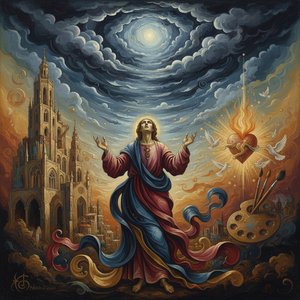
A Vision of Suffering: El Greco’s ‘Untitled (2300)’
El Greco's “Untitled (2300)” is not merely a depiction of Christ; it’s an embodiment of profound spiritual anguish, rendered with the raw intensity that defined the artist’s unique vision. The painting immediately confronts the viewer with the iconic image of Jesus carrying the cross – a motif central to Christian iconography since the earliest centuries. Yet, within this familiar subject matter, El Greco elevates the scene through his masterful manipulation of form and emotion, creating an experience far removed from traditional religious art. The figure’s elongated proportions, characteristic of El Greco's style, contribute to a sense of heightened drama and vulnerability. His youthful appearance, juxtaposed with the weight of the cross, intensifies the feeling of suffering, suggesting not just physical pain but also the immense burden of sacrifice.
The Crucible of Toledo: Style and Technique
Born Doménikos Theotokópoulos in Crete, El Greco’s artistic journey was a relentless pursuit of innovation. His early training within the Byzantine tradition – evident in his meticulous detail and understanding of religious symbolism – provided a solid foundation. However, it was in Toledo, Spain, that he truly forged his distinctive style. This city, a melting pot of cultures and faiths, profoundly influenced his work. El Greco’s technique is immediately recognizable: broad, sweeping brushstrokes applied with a deliberate lack of blending create a sense of movement and energy. The use of intense color – predominantly deep blues, reds, and ochres – amplifies the emotional impact of the scene. Notice how he uses light to sculpt the figure, emphasizing his muscular form and highlighting the textures of the crown of thorns and the rough wood of the cross. This technique anticipates later movements like Expressionism, demonstrating El Greco’s prescience in exploring heightened emotional states through artistic representation.
Symbolic Weight: Faith, Suffering, and Redemption
The symbolism within “Untitled (2300)” is layered and deeply rooted in Christian theology. The cross itself represents sacrifice, redemption, and the ultimate act of love. The crown of thorns symbolizes Christ’s suffering during his crucifixion, a tangible representation of humanity's sin. The two figures flanking Jesus – their identities deliberately ambiguous – may represent onlookers, witnesses to this pivotal event, or perhaps even representations of human doubt and despair. El Greco frequently employed ambiguity in his work, inviting viewers to contemplate the complexities of faith and the nature of suffering. The inclusion of a cloudy sky adds to the atmosphere of drama and foreboding, suggesting both the earthly limitations of Christ’s ordeal and the transcendent spiritual realm he represents.
A Legacy of Emotion: El Greco's Enduring Impact
El Greco’s work continues to resonate with viewers today because it taps into universal human emotions – pain, compassion, faith, and hope. His dramatic style, combined with his profound understanding of religious symbolism, created a body of art that is both intensely personal and universally relevant. Reproductions of “Untitled (2300)” offer an opportunity to experience this powerful artwork firsthand, bringing its emotional intensity into any setting. OriginalUniqueArt’s hand-painted reproductions meticulously recreate El Greco's original techniques, ensuring the highest quality and authenticity for discerning collectors and interior designers seeking a piece that speaks volumes about human experience.
常见问题与解答
埃尔·格列柯 的《untitled (2300)》 的色彩是鲜艳还是柔和?
埃尔·格列柯 的《untitled (2300)》 的色彩饱和度为 Muted,色彩强度为 Monochromatic。
"untitled (2300)" 营造了怎样的氛围?
埃尔·格列柯 的《untitled (2300)》 的艺术氛围被描述为 Dramatic。这种分类有助于将作品与特定的空间环境相匹配。
"untitled (2300)" 有艺术版画出售吗?
若想订购 埃尔·格列柯 的《untitled (2300)》 的版画,只需前往其 艺术版画 页面进行订购即可:采用棉质帆布或档案级画布纸制作的艺术版画。
 实景预览
实景预览
 分享
分享 分享
分享
 详情
详情 指南
指南

 下载作品
下载作品
 相似作品
相似作品 X射线
X射线 幻灯片播放
幻灯片播放 Q&A
Q&A 统计数据
统计数据