切换至版画销售渠道
 展开全文
展开全文







































 对于任何边长超过 105 厘米(约 41 英寸)的艺术品或复制品,画框将以拆解后的组件形式发货。此方法可确保安全送达并防止运输过程中的损坏。


A Vision of Mythological Drama – El Greco’s ‘Epimetheus and Pandora’
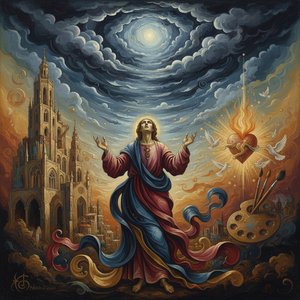
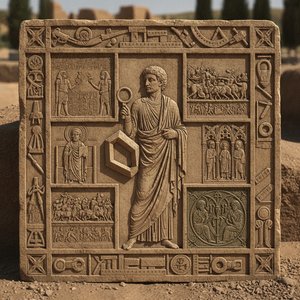
El Greco's 'Epimetheus and Pandora', completed around 1600-1610, stands as a singular achievement within the artistic landscape of Renaissance Spain. More than just a depiction of Greek mythology—the tale of Epimetheus, Prometheus’s brother, tragically opening Pandora’s Box unleashing chaos upon humanity—it embodies El Greco's distinctive style and profound engagement with spiritual themes. This monumental wood relief sculpture transcends mere representation; it pulsates with an emotional intensity that foreshadowed movements like Expressionism decades later.
The Sculptor’s Bold Interpretation of Classical Tradition
El Greco, born Doménikos Theotokópoulos in Crete, possessed a remarkable ability to synthesize influences from Byzantium and Venice into something utterly his own. Trained initially in the Byzantine tradition—characterized by meticulous detail and reverence for religious iconography—he swiftly embraced experimentation, propelling him toward groundbreaking artistic innovations. His signature “Krḗs” – Cretan – served as a defiant assertion of identity amidst the cosmopolitan currents of Rome and Madrid.
A Symphony of Color and Texture: Technique and Style
The sculpture’s execution is masterful. El Greco employed polychrome wood relief, utilizing pigments meticulously applied to create luminous surfaces that capture the drama of the mythological scene. The artist's brushstrokes are expansive and expressive, conveying movement and emotion with remarkable subtlety. Unlike the polished surfaces favored by many contemporaries, El Greco prioritized textural richness—the subtle variations in color and sheen—to heighten the visual impact.
Mythological Symbolism: Pandora’s Box and Human Fate
The sculpture powerfully communicates the narrative of Pandora's Box. The female figure, poised with a gesture suggesting communication or contemplation, directs her gaze toward the male statue holding a ball—a symbol representing Epimetheus’s folly. This juxtaposition underscores the central theme: humanity’s susceptibility to evil and the inescapable consequences of curiosity. El Greco skillfully captures the psychological tension inherent in this mythic confrontation.
Timeless Beauty and Emotional Resonance
'Epimetheus and Pandora' continues to fascinate viewers today, not merely for its adherence to classical sculptural conventions but for its ability to evoke profound contemplation about human nature. El Greco’s artistic vision—characterized by spiritual depth and emotional fervor—remains remarkably relevant, inviting us to revisit the enduring power of myth and art to illuminate our understanding of existence.
常见问题与解答
埃尔·格列柯 的《Epimetheus and Pandora》 使用了怎样的色调?
"Epimetheus and Pandora" 的色彩构成了一个 Earthy 色调。此分类描述了作品中的主导色系。
"Epimetheus and Pandora"创作于何时,属于哪种艺术流派?
"Epimetheus and Pandora"创作于1600年,属于Renaissance Expressionism运动时期的作品。其创作年代与艺术流派确立了该作品在艺术史上的地位。
"Epimetheus and Pandora" 属于哪种艺术风格?
“Epimetheus and Pandora”是一件Renaissance Expressionism时期的作品。该艺术流派体现了作品所属的艺术传统。
 实景预览
实景预览
 分享
分享 分享
分享
 详情
详情 指南
指南

 下载作品
下载作品
 相似作品
相似作品 X射线
X射线 幻灯片播放
幻灯片播放 Q&A
Q&A 统计数据
统计数据