切换至版画销售渠道
 展开全文
展开全文







































 对于任何边长超过 105 厘米(约 41 英寸)的艺术品或复制品,画框将以拆解后的组件形式发货。此方法可确保安全送达并防止运输过程中的损坏。


A Portrait of Vulnerability: Egon Schiele’s “Sitting Woman”
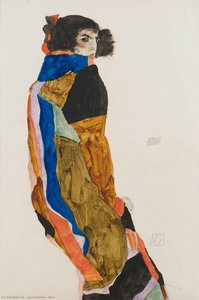
Egon Schiele's "Sitting Woman," created in 1918, isn’t merely a depiction of a seated figure; it’s a raw and intensely personal exploration of the human condition. Rendered in delicate pencil on paper, this intimate drawing captures a moment suspended between quiet contemplation and unspoken sorrow – a hallmark of Schiele's signature Expressionist style. The year 1918 was a pivotal one for the artist, a time of immense personal loss and creative upheaval, mirroring the painting’s palpable sense of melancholy. Schiele’s life, tragically cut short at just nineteen, was marked by illness, familial tragedy, and a profound awareness of mortality; these themes consistently permeate his work, offering viewers an unsettling yet compelling glimpse into the artist's psyche.
The Anatomy of Emotion: Style and Technique
Schiele’s technique in “Sitting Woman” is deceptively simple, yet profoundly effective. He eschews bold colors for the muted tones of graphite, allowing the texture of the paper to contribute significantly to the image's mood. The elongated figure, characteristic of Schiele’s style, possesses a haunting fragility. Notice how he renders the limbs – subtly distorted and almost skeletal – conveying a sense of vulnerability and perhaps even impending collapse. The use of cross-hatching creates an incredible depth and shadow play, drawing the viewer into the woman's space, inviting us to share in her quiet solitude. The artist’s signature, placed discreetly at the bottom, feels like a final, intimate gesture – a testament to his presence within this intensely personal work.
Symbolism of the Heart: A Layered Narrative
The most arresting element of “Sitting Woman” is undoubtedly the heart-shaped tattoo adorning her chest. This isn’t simply a decorative detail; it's a potent symbol, laden with layers of meaning. In Schiele’s oeuvre, hearts frequently represent both love and loss – a poignant reminder of his own father’s death from syphilis. The placement on the body suggests an intimate connection to the self, perhaps hinting at suppressed emotions or a yearning for connection. It could also be interpreted as a symbol of vulnerability, exposing the heart—both literally and figuratively—to the world. The woman's posture itself – legs crossed, head slightly bowed – further reinforces this sense of introspection and quiet suffering.
Echoes of Vienna: Context and Influence
“Sitting Woman” is firmly rooted in the artistic landscape of early 20th-century Vienna. Schiele was deeply influenced by artists like Gustav Klimt, but he forged his own distinct path, rejecting decorative excess in favor of raw emotion and psychological depth. The painting reflects the anxieties and uncertainties of a period marked by social upheaval and burgeoning modernist thought. It’s important to consider this historical context when viewing the work; Schiele was grappling with questions of identity, mortality, and the changing role of the individual within society. His exploration of these themes resonates powerfully even today. For those interested in exploring more works by Schiele, The National Gallery Prague holds a significant collection, offering a comprehensive overview of his artistic journey.
OriginalUniqueArt offers meticulously crafted hand-painted reproductions of “Sitting Woman,” allowing you to bring this extraordinary piece into your home or office. Each reproduction is created with the same care and attention to detail as the original, capturing the painting’s haunting beauty and emotional intensity. Explore our collection today and experience the power of Schiele's vision firsthand.
常见问题与解答
建议将 埃贡·席勒 的《Sitting Woman》 悬挂在哪个空间?
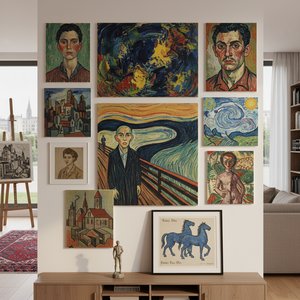
"Sitting Woman" 的复制品非常适合陈设于 Living Room 中。
在哪里可以找到关于“Sitting Woman”的指南?
针对 埃贡·席勒 的《Sitting Woman》,我们提供了一个 指南 页面:这是一份可打印的艺术品资料页,专为学生及课堂教学使用而设计。
《Sitting Woman》的创作者 埃贡·席勒 是否还有其他艺名?
埃贡·席勒 也以 埃贡·莱奥·阿道夫·路德维希·席勒 等其他名称为人所知。
 实景预览
实景预览
 分享
分享 分享
分享
 详情
详情 指南
指南

 下载作品
下载作品
 相似作品
相似作品 X射线
X射线 幻灯片播放
幻灯片播放 Q&A
Q&A 统计数据
统计数据