

 实景预览
实景预览
 发送
发送 分享
分享
 详情
详情 指南
指南

 下载图片
下载图片
 相似作品
相似作品 X射线
X射线 幻灯片播放
幻灯片播放 统计数据
统计数据Cattaro, Yugoslavia
 Watercolor
- WallArt
- Romanticism
 1866
1866 38.0 x 56.0 cm
 利物浦国家博物馆
 阅读全文
阅读全文
艺术微喷/版画
博物馆级艺术微喷或帆布版画,制作高效,并提供多种饰面选择。 ( 订购此收藏品的纯手工复刻画作 切换至数字图像销售渠道)




P118B ¥10

P118H ¥10

P118W ¥10

P438Z ¥10

P508JH ¥12

P508YH ¥12

P805H ¥10

P805Z ¥10

P919BZ ¥10

P919G ¥10

P919XJ ¥10

P959ZH ¥10

P968JZ ¥12

W106C ¥8

W218G ¥10

W218JH ¥8

W218Y ¥10

W307PJ ¥10

W316G ¥10

W316PJ ¥8

W316Y ¥10

W398PJ ¥8

W4111J ¥10

W500HY ¥15

W500JH ¥15

W692G ¥12

W849H ¥8

W940BG ¥15

W953PJ ¥8




您可以从与原作比例一致的预设尺寸中进行选择。

请输入您所需的宽度和高度,以适配您的画框或墙面。由于印刷品只能进行裁剪,无法超出原图尺寸,因此若比例不一致,画面的一部分将会被裁切。在正式印刷之前,我们会为您发送一份数字效果图供您确认。本页面显示的图片并非最终裁剪后的效果——只有效果图才能展示真实的裁剪情况。


 玻璃选项仅适用于110厘米以下的尺寸。

Cattaro, Yugoslavia
艺术微喷/版画
复刻品尺寸说明
-


总计金额
¥ 537
Edward Lear’s Cattaro, Yugoslavia – A Romantic Echo in Montenegro
Cattaro, now Kotor, stands as a testament to Edward Lear's artistic vision and his fascination with capturing the sublime beauty of the natural world. Painted in 1866 during his travels through Montenegro—a region then part of Yugoslavia—this watercolor landscape transcends mere depiction; it embodies the spirit of Romanticism itself. Lear’s meticulous observation combined with a masterful command of technique resulted in an image that continues to resonate with viewers today, offering glimpses into Victorian sensibilities and a profound appreciation for untamed landscapes.Composition & Technique: Embracing Atmospheric Perspective
Lear skillfully employs horizontal composition to emphasize the vastness of Montenegro's mountainous coastline. Dominating the upper portion of the frame are towering peaks rendered in cool grey tones, receding into atmospheric perspective—a technique championed by Romantic artists like Turner and Constable—to convey depth and grandeur. The central area is occupied by a tranquil lake reflecting the sky’s hues and mirroring the mountain silhouettes above. Delicate washes of watercolor create texture and luminosity, capturing the subtle nuances of light and shadow. Furthermore, Lear incorporates dry brush strokes to accentuate rock formations along the shore, adding visual interest and reinforcing the impressionistic style prevalent during his era.Historical Context: Romanticism's Pursuit of Emotion
Lear’s Cattaro reflects the broader artistic currents of Romanticism—a movement that prioritized emotional experience over rational representation. Artists like Lear sought inspiration in nature, believing it possessed the power to evoke profound feelings and stimulate intellectual contemplation. The Victorian period was marked by a fascination with exotic locales and a yearning for escape from urban life, mirroring Lear’s own journey to Montenegro and his desire to immerse himself in unspoiled wilderness. This painting exemplifies Romantic ideals of awe and wonder—a response to the sublime grandeur of the mountains that speaks to our enduring connection with the natural world.Symbolism: Isolation & Tranquility Amidst Majesty
Beyond its aesthetic qualities, Cattaro carries symbolic weight. Lear’s diary entries reveal his contemplation on the insignificance of human existence against the backdrop of monumental geological formations—a theme central to Romantic thought. The solitary sailboats traversing the lake symbolize exploration and aspiration, yet they are dwarfed by the imposing mountains, suggesting a sense of isolation and solitude. Simultaneously, the serene beauty of the landscape conveys tranquility and peace—a counterpoint to the anxieties of Victorian society. Lear’s deliberate choice of color palette—primarily cool blues and greys—further reinforces this mood, creating an atmosphere that invites reflection and contemplation.Concluding Impression: A Legacy of Romantic Beauty
Edward Lear's Cattaro remains a captivating example of Romantic landscape painting. Its masterful technique, combined with its evocative depiction of Montenegro’s dramatic scenery and its underlying philosophical themes, secures its place as a cornerstone of Victorian art history. The watercolor medium perfectly captures the ethereal quality of light and atmosphere, transporting viewers back to a time when artists sought to express emotion through observation—a legacy that continues to inspire admiration for Lear's artistic genius and his enduring contribution to the canon of landscape art.问答详情
如何描述 爱德华·霍珀 的《Cattaro, Yugoslavia》 的意境?
爱德华·霍珀 的《Cattaro, Yugoslavia》 的艺术氛围被描述为 Romantic。这种分类有助于将作品与特定的空间环境相匹配。
Romanticism 流派的作品 "Cattaro, Yugoslavia" 传达了怎样的情感?
在Romanticism运动中,"Cattaro, Yugoslavia"以Melancholic的基调被记录下来。
如何下载 爱德华·霍珀 的《Cattaro, Yugoslavia》 的图片?
您可以在作品的下载页面下载爱德华·霍珀 的《Cattaro, Yugoslavia》的图像:高分辨率数字图像下载。
艺术家简介
绘于荒诞与光影之中的生命
爱德华·李尔,这个名字本身就与奇幻的诗句和妙趣横生的插画紧密相连。然而,他远不止是人们记忆中那个创作五行打油诗和怪诞生物的诗人。1812年,他出生于伦敦北部的霍洛威,在一个拥有二十一名子女的大家庭中。李尔的早年生活充满了经济上的动荡与艺术天赋的萌芽。拿破仑战争后,他的父亲杰里米·李尔陷入了困境,这迫使年仅十五岁的爱德远就开始通过绘画来维持生计。然而,正是这种生活的重压,点燃了他终生的激情,促使他跨越各大洲,用鲜艳的色彩和灵动的线条捕捉世界的真谛。家庭的阴影,加之早年的健康挑战——包括癫痫以及他称之为“忧郁症”的情绪波动——在李尔心中种下了温柔孤独的种子,并让他倾向于在想象中寻求逃避,这些特质深刻地反映在他的艺术与文字之中。从鸟类学的严谨到风景画的怀抱
李尔的艺术旅程始于极致的精准。最初受雇于动物学会时,他磨炼了绘制鸟类和动物的技艺,展现出非凡的细节观察力和解剖学准确性。这段早期的工作让他引起了德比第13代伯爵爱德华·斯坦利的关注,后者委托李尔记录诺斯利庄园私人动物园中的奇异生物。那些与狮子、老虎和鹦鹉为伴的岁月,不仅精进了他的素描功底,更培养了他与自然界深层的联结——这种联结后来渗透到了他的风景画创作中。然而,视力的衰退和呼吸系统问题最终让他无法继续从事对精确度要求极高的鸟类插画工作。于是,他转向了风景画,开始了遍布欧洲及更远地区的广泛旅行。意大利成为了他特别的避风港,不仅为他的健康提供了休养之所,更提供了无穷无尽的灵感景观。他的风景画以地形准确性与大气敏感性的独特融合而著称,常以细腻的水彩笔触捕捉光影之间微妙的细微差别。荒诞诗人之魂:一个无拘无束的世界
尽管作为画家备受赞誉,但爱德华·游尔或许因其文学贡献而被世人铭记。他的“荒诞”诗歌——尤其是他的五行打油诗——彻底变革了儿童文学,并俘获了各年龄段观众的心。《荒诞书》于1846年以笔名“Derry down Derry”出版,引入了一个由在豌豆绿小船上航行的猫头鹰与猫咪、拥有发光鼻子的东格(dongs)以及其他妙趣横生的荒诞生物组成的世界。这些诗句并非仅仅是轻浮的文字;它们蕴含着一种微妙的忧郁,并对传统逻辑进行着俏皮的颠覆。李尔的打油诗经常在诙谐的外壳下,探讨孤独、渴望和存在的荒诞感。他不仅仅是在创造荒诞的词汇,更是在构建一个受其自身内在规则支配的完整世界,邀请读者放下怀疑,拥抱想象的快乐。猫头鹰与小猫作为他最著名的诗篇之一,至今仍是传世经典,其持久的魅力源于其抒情的节奏感和极具感染力的意象。创新与永恒魅力的传承
爱德华·李尔的影响力远超儿童文学领域。他开创了一种全新的诗歌表达形式,将诗句从僵化的结构中解放出来,并拥抱了充满趣味的实验精神。他的风景画虽然常被其诗歌的光芒所掩盖,却展现了敏锐的艺术感知力和精湛的水彩技艺。他是一位真正的博学者——艺术家、插画家、音乐家(他曾为丁尼孙的诗作谱曲)、作家和诗人——这些多元的才华汇聚在一起,创造了一个独特且持久的遗产。他挑战了传统的边界,模糊了艺术、文学与音乐之间的界限。他的作品持续激励着艺术家、作家和梦想家,提醒我们想象力的力量以及拥抱荒诞之美。他的画作可以在牛津大学阿什莫林博物馆等著名馆藏中寻得,这正是他作为风景画家造诣的见证。李尔的一生,既有个人奋斗的艰辛,也有创作上的辉煌,它深刻地提醒着我们:即使在黑暗之中,也永远留有光亮、笑声以及人类精神那无尽的可能性。影响与艺术发展
- 早期影响:李尔最初的艺术训练侧重于科学插画,要求极高的精准度和观察力。这一基础塑造了他对细节严谨的处理方式,即便在他后来转向更具表现力的风格时亦是如此。
- 旅行与风景绘画:他在意大利、希腊、埃及及其他地区的广泛旅行深刻影响了他的风景创作。他吸收了这些不同地区的光影、色彩与纹理,发展出一种以大气透视和细腻笔触为特征的独特风格。
- 文学灵感:虽然他使五行打油诗流行起来,但李尔也受到了早期荒诞诗歌传统的启发。他的独特贡献在于能够赋予这种形式以情感深度和抒情美感。
- 个人经历:李尔终生与健康问题及忧郁情绪的抗争深刻地影响了他的艺术愿景。他作品中渗透出的那种孤独感与渴望感,正是其个人经历的真实写照。

爱德华·霍珀
1812 - 1888 , 英国
快速概览
- Artistic Movement Or Style: 無厘頭詩歌藝術風格
- Date Of Birth: 五月十二日,十八世紀一百二十二年
- Date Of Death: 一月二十九日,十八世紀一百八十八年
- Full Name: 爱德华·霍珀
- Nationality: 英國人
- Notable Artworks:
- 貓與老鼠
- 燈籠與桌子
- Place Of Birth: 伦敦,英國
相关文章

Watercolor Wonders: 10 Masterpieces That Redefined Art History | OriginalUniqueArt
Journey through 10 legendary watercolor masterpieces by Sargent, Turner & Homer! Explore iconic landscapes, portraits & floral art that redefined history. Find museum-quality reproductions and curated decor ideas at OriginalUniqueArt.com.

Ephemeral Visions: Exploring the Artistic Legacy & Contemporary Practice of Watercolor Painting
Explore the captivating world of watercolor painting! Discover its rich history, essential techniques, influential artists & collecting tips. A comprehensive guide for art enthusiasts from OriginalUniqueArt.
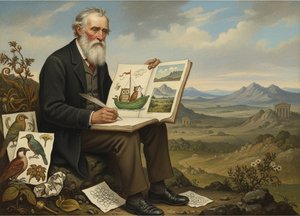
Edward Lear: A Life Beyond Nonsense – Landscape, Illustration & the Poetics of Isolation
Explore the life of Edward Lear beyond his nonsense poems. Discover his stunning landscape paintings, travel illustrations & the poignant themes of isolation in this expert art history analysis.

浪漫主义画派的十部巨作:定义风景画的艺术传奇
探索浪漫主义风景画的巅峰!本文精选十部经典名作,带您领略莫奈、库尔贝等大师的艺术魅力。感受色彩与光影的诗意,重温自然风光的震撼。OriginalUniqueArt.com为您提供博物馆级别的艺术复制品和个性化家居装饰方案。尽在OriginalUniqueArt.com!
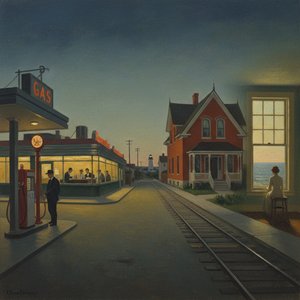
爱德华·霍珀25幅杰作:光影中的美国孤寂与艺术传奇 (Edward Hopper's 25 Masterpieces: American Solitude and Artistic Legacy in Light and Shadow)
探索爱德华·霍珀25幅经典作品,感受美国现实主义的光影魅力与寂静之美。深入了解每件画作背后的故事、艺术技巧及文化意义。OriginalUniqueArt.com提供高清油画复制和精选家居装饰灵感。立即探索完整系列!