

 实景预览
实景预览
 发送
发送 分享
分享
 详情
详情 指南
指南

 下载图片
下载图片
 相似作品
相似作品 X射线
X射线 幻灯片播放
幻灯片播放 统计数据
统计数据Peaceable Kingdom (12)


 阅读全文
阅读全文
艺术微喷/版画
博物馆级艺术微喷或帆布版画,制作高效,并提供多种饰面选择。 ( 订购此收藏品的纯手工复刻画作 切换至数字图像销售渠道)




P118B ¥10

P118H ¥10

P118W ¥10

P438Z ¥10

P508JH ¥12

P508YH ¥12

P805H ¥10

P805Z ¥10

P919BZ ¥10

P919G ¥10

P919XJ ¥10

P959ZH ¥10

P968JZ ¥12

W106C ¥8

W218G ¥10

W218JH ¥8

W218Y ¥10

W307PJ ¥10

W316G ¥10

W316PJ ¥8

W316Y ¥10

W398PJ ¥8

W4111J ¥10

W500HY ¥15

W500JH ¥15

W692G ¥12

W849H ¥8

W940BG ¥15

W953PJ ¥8




您可以从与原作比例一致的预设尺寸中进行选择。

请输入您所需的宽度和高度,以适配您的画框或墙面。由于印刷品只能进行裁剪,无法超出原图尺寸,因此若比例不一致,画面的一部分将会被裁切。在正式印刷之前,我们会为您发送一份数字效果图供您确认。本页面显示的图片并非最终裁剪后的效果——只有效果图才能展示真实的裁剪情况。


 玻璃选项仅适用于110厘米以下的尺寸。

Peaceable Kingdom (12)
艺术微喷/版画
复刻品尺寸说明
-


总计金额
¥ 537
A Vision of Eternal Harmony
In the quiet, profound depths of Edward Hicks’s 1826 masterpiece, Peaceable Kingdom (12), we encounter more than just a painting; we enter a spiritual sanctuary. This captivating oil on canvas serves as a window into a utopian realm where the boundaries between the wild and the domestic dissolve into a singular, breathtaking peace. At the heart of this composition, a young boy cradles a lion cub with an intimacy that defies nature, standing beside a steady horse in a scene that radiates innocence and safety. The landscape is alive with a gentle congregation of cows, sheep, and birds, all coexisting in a state of grace that feels both otherworldly and deeply grounded in the American pastoral tradition.
The technique employed by Hicks reflects his unique journey as a self-taught artist and Quaker minister. Using oil on canvas, he achieved a rich, vibrant texture that breathes life into every creature depicted. There is a rhythmic quality to the way the animals are arranged, guiding the viewer’s eye through a lush, natural setting framed by soft, verdant trees. The light in the painting does not merely illuminate the subjects; it seems to emanate from within the scene itself, highlighting the symbolic purity of the boy and the cub. For collectors and decorators, this work offers a profound sense of tranquility, making it an exquisite centerpiece for any space seeking to evoke calm, stability, and a connection to the natural world.
Symbolism and the Quaker Spirit
To understand Peaceable Kingdom (12), one must look through the lens of Hicks’s profound religious convictions. As a man shaped by the Quaker principles of simplicity and the "inner light," Hicks utilized his brush to manifest the biblical prophecy of Isaiah, where predators and prey dwell together without fear. The inclusion of the lion cub—a creature typically feared—held so tenderly by a human child, serves as a powerful metaphor for the triumph of peace over violence and the reconciliation of all living things. This is not merely a pastoral landscape; it is a theological statement rendered in pigment.
Every element within the frame contributes to this narrative of universal harmony. The presence of various species, from the heavy-set cattle to the delicate birds, represents a diverse yet unified creation. Even the subtle inclusion of a book in the lower corner invites contemplation on knowledge, faith, and the recorded history of human spiritual evolution. For those looking to adorn their homes with art that carries deep intellectual and emotional weight, this painting provides an endless well of inspiration. It is a testament to the idea that even in a fractured world, the vision of a peaceful, unified existence remains a beautiful and attainable aspiration.
An Enduring Legacy for Modern Interiors
For the discerning interior designer or art enthusiast, a high-quality reproduction of this work offers much more than aesthetic appeal. It brings a sense of historical gravity and narrative depth to a room. The Peaceable Kingdom (12) possesses a timeless quality that transcends era; its soft palette and emotive subject matter complement both classical traditional settings and contemporary spaces that value organic, soulful elements. Whether placed in a sunlit library or a quiet study, the painting acts as a meditative focal point, inviting guests to pause and reflect on the beauty of coexistence.
Owning a piece inspired by Hicks’s vision allows one to curate an environment defined by serenity and grace. The artwork’s ability to bridge the gap between the wildness of nature and the tenderness of human emotion makes it a versatile and impactful choice for any sophisticated collection. It remains a cornerstone of American folk art, reminding us that even centuries after its creation, the dream of a peaceful kingdom continues to resonate with the human heart.
问答详情
"Peaceable Kingdom (12)" 的版画推荐用于何处?
爱德华·希克斯 (Ài Dé Huá · Xī Kè Sī) 的《Peaceable Kingdom (12)》 的建议用途为 Conversation,同时也可用于其他场景。
爱德华·希克斯 (Ài Dé Huá · Xī Kè Sī) 是否还有其他别名或曾用名?
关于《Peaceable Kingdom (12)》的创作者 爱德华·希克斯 (Ài Dé Huá · Xī Kè Sī),其记录在案的其他名称包括 艾萨克·希克斯 (Ài Sà Kè · Xī Kè Sī), 以利亚·希克斯 (Yǐ Lì Yà · Xī Kè Sī)。
爱德华·希克斯 (Ài Dé Huá · Xī Kè Sī) 的《Peaceable Kingdom (12)》 的构图以什么颜色为主导?
在“Peaceable Kingdom (12)”中,最引人注目的颜色是Phthalo Green (#282638)。了解作品的主色调有助于将其与室内装饰进行搭配。
艺术家简介
一位根植于信仰与愿景的艺术家:爱德华·希克斯
爱德华·希克斯,1780年4月4日出生于宾夕法尼亚州安静的阿特尔伯勒(今兰霍恩)风景中,是一位独特的人物,他的身影巧妙地置身于宗教信仰与艺术表达的交汇点。他的故事不仅仅是一个自学成才画家的故事,更是一位虔诚的贵格会牧师的故事,其精神之旅深刻塑造了他独特的视觉语言。虽然出生于圣公会家庭,但年轻的爱德华的生活在受到伊丽莎白·特威宁夫人的照顾时发生了根本性的转变,这位虔诚的贵格会教徒向他灌输了这种信仰的核心原则——简朴、和平以及对“内在之光”坚定不移的信念。早期的接触将成为构建他的艺术愿景的基础。从十三岁起,希克斯师从马车制造商威廉和亨利·汤姆林森,掌握了装饰绘画技巧,这些技巧最初是他赖以生存的方式。然而,即使他磨练了在马车上描绘华丽图案的技能,内心深处也产生了一种更深刻的呼唤,这种呼唤最终将他引向一条不寻常的道路——一条信仰与艺术融合的道路。到1803年,希克斯完全拥抱了友会(贵格会),与莎拉·沃斯塔尔结婚,并开始在费城各地进行游牧布道,同时继续通过他的绘画技能来支持他不断壮大的家庭。画布的演变:从马车装饰到精神风景
希克斯的艺术发展并非传统模式。他没有接受当时学术传统的正式训练;相反,他培养了一种独特的美国民间艺术风格,这种风格源于观察、必要性和根深蒂固的信仰。最初,他的绘画服务于实际目的——房屋粉刷、马车装饰、酒馆招牌,甚至家具和农具上的装饰工作。这些早期的委托提供了经济保障,但常常与贵格会强调简朴和摒弃世俗虚荣的理念相冲突。1815年的一段艰难时期使希克斯短暂地放弃了装饰绘画而转向务农,但这次冒险证明是失败的。在朋友们的鼓励下,他于1816年重拾画笔,这是一个转折点,使他能够调和他的艺术才能与精神使命。这次回归不仅仅是对先前工作的恢复;它标志着对宗教主题和寓言风景独特探索的开始。他开始在他的绘画中注入象征意义,反映了他的贵格会世界观和对经文的个人理解。他的画布成为传达和平、和谐以及神圣秩序承诺信息的载体。和平王国:和谐的愿景
爱德华·希克斯今天最受赞誉的是他一系列被称为《和平王国》的绘画作品。这些作品贯穿了他的一生,由六十多个变体组成,可以说是美国民间艺术中最具代表性的例子之一。灵感来自以赛亚书11:6-9——一段预言自然捕食者将和平共处的经文——希克斯描绘了野生动物和儿童在田园诗般的和谐中生活的场景。这些绘画作品通常以殖民时期宾夕法尼亚历史人物为特色,例如威廉·佩恩与美洲原住民谈判条约,进一步将圣经愿景置于美国背景下。《和平王国》不仅仅是对动物生活迷人的描绘;它更是希克斯坚信宾夕法尼亚代表着这种先知理想的实现——一个和平与正义可以盛行的场所。每个版本的《和平王国》在构图、调色板和细节上都略有变化,反映了希克斯不断发展的艺术敏感度和更深刻的精神理解。值得注意的例子包括藏于耶鲁大学美术馆的《和平王国 (31)》,以及描绘诺亚方舟置身于宁静风景中的《和平王国 (34)》。超越王国:更广阔的艺术范围
虽然《和平王国》仍然是他最伟大的成就,但爱德华·希克斯的艺术创作范围超出了这个著名的系列。他画了风景、肖像和历史场景,每一幅都蕴含着他独特的民间艺术风格和贵格会气质。他的《尼亚加拉瀑布》,现藏于艾比·奥尔德里奇·洛克菲勒民间艺术中心,展示了他捕捉自然壮丽的能力,同时保持一种简朴和敬畏感。同样,他在艾比·奥尔德里奇·洛克菲勒民间艺术中心收藏的《乔治·华盛顿率军横渡特拉华河》——也藏于该中心,为这个标志性的美国时刻提供了独特的民间视角。即使是看似平凡的主题,例如《威廉·佩恩在约旦的墓地》,也揭示了希克斯与贵格会遗产的深厚联系以及他在日常场景中发现精神意义的能力。这些作品合在一起,展示了希克斯艺术愿景的广度和他对使用艺术作为表达信仰和价值观手段的承诺。持久的遗产:民间艺术偶像
爱德华·希克斯于1849年8月23日去世于宾夕法尼亚州纽敦,留下了一部至今仍能引起观众共鸣的作品集。他现在被公认为美国民间艺术中的重要人物,以其独特的风格、反复出现的主题和深刻的精神深度而闻名。他的绘画作品为了解19世纪友会(贵格会)的信仰和价值观提供了宝贵的见解,为他们对和平、简朴和社会正义的承诺提供了视觉记录。希克斯将宗教信仰与艺术表达相结合的独特能力创造了一部既具有视觉吸引力又具有精神意义的作品集。他的遗产超越了博物馆和收藏馆藏;它体现在对他艺术作品的持续欣赏以及他愿景——一个人类、自然与神和谐共存的“和平王国”——持久的力量中。他仍然证明了自学成才的艺术力量以及信仰对创造性表达的深刻影响。
爱德华·希克斯 (Ài Dé Huá · Xī Kè Sī)
1780 - 1849 , 美国
快速概览
- Artistic Movement Or Style: 美国民俗艺术
- Date Of Birth: 1780年4月4日
- Date Of Death: 1849年8月23日
- Full Name: 爱德华·希克斯
- Nationality: 美国
- Notable Artworks:
- 和平王国(31)
- 尼亚加拉瀑布
- 华盛顿过特拉华河
- 和平王国(34)
- Place Of Birth (City And Country): 宾夕法尼亚州兰格霍恩
相关文章
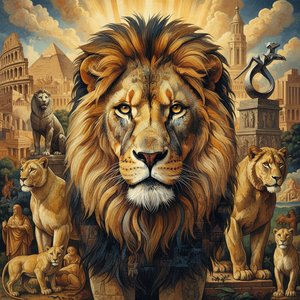
Majestic Lions: Capturing the Power and Soul of the King of Beasts through Art History
Explore the majesty of the King of Beasts through art history. From Baroque drama to Romantic realism, discover how master painters capture the power and soul of lions in exquisite oil reproductions and fine art prints for discerning collectors.
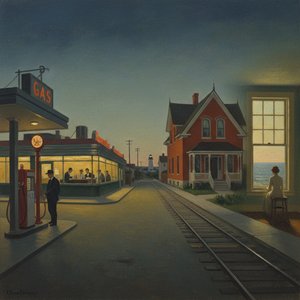
爱德华·霍珀25幅杰作:光影中的美国孤寂与艺术传奇 (Edward Hopper's 25 Masterpieces: American Solitude and Artistic Legacy in Light and Shadow)
探索爱德华·霍珀25幅经典作品,感受美国现实主义的光影魅力与寂静之美。深入了解每件画作背后的故事、艺术技巧及文化意义。OriginalUniqueArt.com提供高清油画复制和精选家居装饰灵感。立即探索完整系列!

Edward Hicks’ ‘Peaceable Kingdom’: American Folk Art & the Shaping of a National Identity
Explore the profound symbolism & historical context of Edward Hicks’ ‘Peaceable Kingdom.’ Discover how this iconic American folk art masterpiece reflects Quaker values and shaped a nation's identity. Learn more at OriginalUniqueArt.
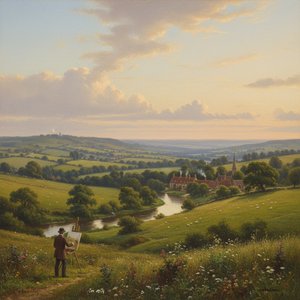
Edward Wilkins Waite: A Victorian Vision of Surrey's Serene Landscapes & Artistic Legacy
Explore the serene landscapes of Edward Wilkins Waite (1854-1924), a prolific Victorian painter celebrated for his depictions of Surrey's countryside. Discover his artistic influences, career highlights & collecting guide.
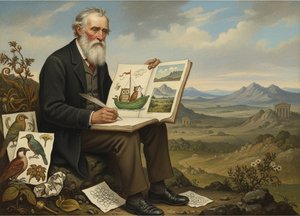
Edward Lear: A Life Beyond Nonsense – Landscape, Illustration & the Poetics of Isolation
Explore the life of Edward Lear beyond his nonsense poems. Discover his stunning landscape paintings, travel illustrations & the poignant themes of isolation in this expert art history analysis.