

 实景预览
实景预览
 发送
发送 分享
分享
 详情
详情 指南
指南

 下载图片
下载图片
 相似作品
相似作品 X射线
X射线 幻灯片播放
幻灯片播放 统计数据
统计数据The Band
 Acrylic On Canvas
- WallArt
- Surrealist Vision
 1934
1934- 19th Century
 760.0 x 555.0 cm
 British Council
 阅读全文
阅读全文
手工油画复制品
由我们的艺术家按需定制,为您提供您所选尺寸及画框的布面手工油画。 ( 切换至版画销售渠道 切换至数字图像销售渠道)




P118B ¥10

P118H ¥10

P118W ¥10

P438Z ¥10

P508JH ¥12

P508YH ¥12

P805H ¥10

P805Z ¥10

P919BZ ¥10

P919G ¥10

P919XJ ¥10

P959ZH ¥10

P968JZ ¥12

W106C ¥8

W218G ¥10

W218JH ¥8

W218Y ¥10

W307PJ ¥10

W316G ¥10

W316PJ ¥8

W316Y ¥10

W398PJ ¥8

W4111J ¥10

W500HY ¥15

W500JH ¥15

W692G ¥12

W849H ¥8

W940BG ¥15

W953PJ ¥8




您可以从与原作比例一致的预设尺寸中进行选择。

请输入您需要的宽度和高度,以适配您的画框或墙面。由于作品为手工绘制,若您选择不同的尺寸比例,艺术家可能会在画面边缘多画一些或稍作裁剪 —— 由您决定。在开始绘画之前,我们会为您发送一份数字效果图供您确认。本页面上展示的图片并非最终实物 —— 只有效果图才能反映真实结果。
下单后,OriginalUniqueArt.com 团队将通过电子邮件联系客户获取具体要求,并提供效果预览图


 玻璃选项仅适用于110厘米以下的尺寸。

The Band
复制品材质
复刻品尺寸说明
-


总计金额
¥ 2016
Edward Burra’s ‘The Band’: A Captivating Glimpse into Harlem’s Jazz Age
Edward Burra's "The Band," completed in 1934, is more than just a depiction of an African-American jazz band; it’s a vibrant snapshot of a transformative moment in American culture and a testament to Burra’s unique artistic vision. Painted during his immersive journey into Harlem’s burgeoning cultural scene in October 1933, the artwork pulsates with energy, capturing the intoxicating rhythms of jazz and the spirit of liberation that defined the era. Burra, deeply influenced by Surrealism and Dadaist principles – a fact reflected in his eclectic approach to subject matter – doesn't simply record; he actively constructs a scene brimming with personality and intrigue. The painting’s off-center composition immediately draws the viewer into this contained world, creating an immediate sense of voyeuristic observation.
- Subject Matter: A lively jazz band performance in Harlem, New York City.
- Key Figures: An exaggerated conductor, a sultry songstress, and a jovial bystander, each contributing to the painting’s eccentric charm.
- Instrumentation: Detailed depictions of musical instruments – a drum set, violins, cellos – essential elements in conveying the heart of the jazz experience.
Technique and Materials: Watercolors and Burra's Unique Process
Created primarily using luminous watercolors on paper, “The Band” showcases Burra’s masterful control of color and his innovative approach to composition. Notably, due to chronic arthritis that plagued him throughout his life, Burra found oil paints too cumbersome to use, opting instead for the fluidity of watercolor. This decision profoundly shaped the painting's character – its delicate washes, luminous highlights, and a sense of immediacy. The artist’s meticulous attention to detail is evident in the rendering of costume, facial expressions, and skin tones, creating an atmosphere of intense vibrancy. The use of reflected stage lights, particularly on the sousaphone player’s glasses, adds a dramatic element, further emphasizing the performance's energy. Burra’s process involved spending hours observing the scene in bars and cafes before translating his memories onto the paper, a technique that imbued the work with a palpable sense of authenticity.
Historical Context and Symbolism: A Window into the 1930s
“The Band” is inextricably linked to the social and cultural landscape of Harlem during the 1930s. Harlem, at this time, was experiencing a remarkable renaissance – a flourishing of music, art, and literature fueled by the Great Migration of African Americans from the South. Burra’s presence in this vibrant environment, facilitated by his friendship with Olivia Wyndham and Edna Lloyd Thomas, reflects a genuine engagement with the era's artistic currents. The painting subtly evokes themes of social mobility, cultural exchange, and the allure of escape – all powerfully represented within the scene. The incongruous figure in the old-fashioned attire can be interpreted as a commentary on the clash between tradition and modernity, further enriching the artwork’s symbolic layers.
Emotional Impact and Artistic Legacy
“The Band” possesses an undeniable emotional resonance, capturing not just a musical performance but also the spirit of excitement, exuberance, and perhaps even a touch of melancholy that characterized this pivotal moment in American history. Burra's ability to blend observation with imagination, combined with his distinctive style, has secured his place as one of the most intriguing figures of Surrealist art. This large-scale watercolor reproduction offers an exceptional opportunity to experience the captivating energy and artistic brilliance of Edward Burra’s vision – a timeless piece that continues to resonate with collectors and art enthusiasts alike.
问答详情
在哪里可以观赏到 Edward Burra 的《The Band》 的原作?
您可以在 British Council, 伦敦, 英国 欣赏到原件《The Band》。
"The Band" 的色彩饱和度如何?
Edward Burra 的《The Band》 的色彩呈现出 Balanced Soft 的饱和度与 Balanced 的强度。
"The Band" 的色调倾向于哪一种?
Edward Burra 的《The Band》 的主导色调为 Amber to Saffron。该色调构成了整个色板的基调。
艺术家简介
Edward Burra: A Life in Surreal Visions
Early Life and Education
- Born: South Kensington, United Kingdom, 1905.
- Edward Burra demonstrated artistic talent early on, particularly as a draughtsman.
- He received his formal training at the Royal College of Art from 1923 to 1925, honing his skills in drawing and painting.
Early Travels and Influences (1920s)
- During the latter half of the 1920s, Burra travelled extensively throughout France.
- He focused on depicting detailed urban scenes, often portraying the harsh realities of life in cities like Toulon and Marseille.
- These early works reveal a keen observational eye and a sensitivity to social conditions.
- A pivotal moment came in 1927 when he met Paul Nash, who introduced him to avant-garde periodicals.
- Exposure to artists like George Grosz through these publications profoundly influenced Burra, inspiring him to experiment with collage and drawing within a Dadaist spirit.
Artistic Development & Key Themes (1930s-1940s)
- The Jungle (1931) exemplifies Burra’s fascination with the exotic and forbidden. The painting depicts a lavish dinner party set in a fantastical tropical world, blending sensuality with premonitions of death.
- Burra was among the first British artists to embrace Surrealism, creating a distinctive universe populated by extravagantly dressed women, workers, sailors, and soldiers—often situated in imaginary locales.
- His physical health, compromised from childhood, led him to favor watercolor as his primary medium due to its relative ease of use compared to oil paints.
- He held his first solo exhibition at the Leicester Galleries in 1930.
- The impact of Picasso’s Guernica was significant, prompting a shift in Burra's artistic style.
World War II and Later Life (1940s-1976)
- During World War II, travel restrictions led Burra to work as a stage designer for theatrical productions and ballets, achieving some recognition in this field.
- He declined an invitation to become a Royal Academician in 1963 but accepted the Order of the British Empire in 1971.
- A major retrospective of his work was organized by the Tate Gallery in 1973, solidifying his place within British art history.
- He died in Hastings on March 22, 1976, as a result of complications from a fractured iliac bone.
Artistic Style and Historical Significance
- Burra’s style is characterized by its unsettling atmosphere, vivid colors, and distorted figures.
- He masterfully blended elements of Dadaism and Surrealism with a uniquely British sensibility.
- His work offers a critical commentary on social issues, exploring themes of alienation, decadence, and the darker aspects of human nature.
- Though not always widely recognized during his lifetime, Edward Burra is now considered a pioneering figure in 20th-century British art, influencing subsequent generations of artists with his distinctive vision.

Edward Burra
1905 - 1976 , United Kingdom
快速概览
- Name: Edward Burra
- Movement:
- Surrealism
- Dadaism
- Birth Date: 1905
- Death Date: 1976
- Birth Place: South Kensington, United Kingdom
- Nationality: British
- Date Of Birth: 1905
- Date Of Death: 1976
- Influenced By: Paul Nash, George Grosz
- Notable Works:
- The Jungle
- Dancing Skeletons
- The Snack Bar
- Soldiers at Rye
- Place Of Birth: South Kensington, United Kingdom
相关文章

Ephemeral Visions: Exploring the Artistic Legacy & Contemporary Practice of Watercolor Painting
Explore the captivating world of watercolor painting! Discover its rich history, essential techniques, influential artists & collecting tips. A comprehensive guide for art enthusiasts from OriginalUniqueArt.

Ephemeral Visions: Exploring the Artistic Legacy & Nuances of Watercolor Painting
Explore the captivating world of watercolor painting! Discover its rich history, essential techniques, influential artists & collecting tips from art experts. A comprehensive guide for enthusiasts.

Watercolor Wonders: 10 Masterpieces That Redefined Art History | OriginalUniqueArt
Journey through 10 legendary watercolor masterpieces by Sargent, Turner & Homer! Explore iconic landscapes, portraits & floral art that redefined history. Find museum-quality reproductions and curated decor ideas at OriginalUniqueArt.com.

水彩艺术的流光溢彩:历史渊源、情感共鸣与现代实践
探索水彩艺术的流光溢彩!深入了解其历史渊源、大师技法与现代实践。提供专业的艺术咨询、定制油画服务,助您收藏和鉴赏优秀作品。OriginalUniqueArt.com – 您的艺术之选。
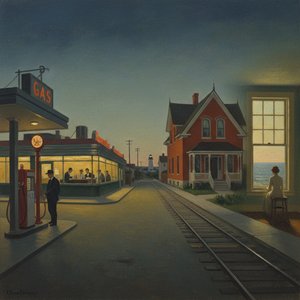
爱德华·霍珀25幅杰作:光影中的美国孤寂与艺术传奇 (Edward Hopper's 25 Masterpieces: American Solitude and Artistic Legacy in Light and Shadow)
探索爱德华·霍珀25幅经典作品,感受美国现实主义的光影魅力与寂静之美。深入了解每件画作背后的故事、艺术技巧及文化意义。OriginalUniqueArt.com提供高清油画复制和精选家居装饰灵感。立即探索完整系列!