效果预览
效果预览
 购买印刷品
购买印刷品 分享
分享 分享
分享
 详情
详情

 下载
下载
 相似作品
相似作品 X射线
X射线 幻灯片播放
幻灯片播放the kiss


 展开详情
展开详情




P118B $10

P118H $10

P118W $10

P438Z $10

P508JH $12

P508YH $12

P805H $10

P805Z $10

P919BZ $10

P919G $10

P919XJ $10

P959ZH $10

P968JZ $12

W106C $8

W218G $10

W218JH $8

W218Y $10

W307PJ $10

W316G $10

W316PJ $8

W316Y $10

W398PJ $8

W4111J $10

W500HY $15

W500JH $15

W692G $12

W849H $8

W940BG $15

W953PJ $8




从与原作比例一致的预设尺寸中进行选择。

您可以输入自定义尺寸,以适配特定的画框或空间。如果所选尺寸与原图比例不符,我们将通过裁剪作品或添加手绘元素来扩展画面。数字样稿将在制作开始前发送给您确认。
请注意,屏幕预览无法准确反映实际的裁剪或扩展效果,只有样稿才能真实呈现最终的构图。
虽然我们提供定制尺寸服务,但为了保留原作比例,建议您从预设列表中选择尺寸。
下单后,OriginalUniqueArt.com 团队将通过电子邮件联系客户获取具体要求,并提供效果预览图。


 玻璃选项仅适用于110厘米以下的尺寸。

the kiss
复制材质
复制品尺寸
-


最终总价
$ 300
A Portrait of Solitude and Unspoken Longing
Edvard Munch’s “The Kiss” (1897) isn't merely a depiction of romantic embrace; it’s a profound exploration of isolation, vulnerability, and the unsettling undercurrents of human connection. Painted during a period of intense personal turmoil for the artist – marked by illness, loss, and a pervasive sense of dread – the work transcends simple representation to become a visceral embodiment of Munch's psychological landscape. The scene unfolds within a deliberately ambiguous space, shrouded in darkness that seems to press inward, mirroring the characters’ internal states. The figures are not presented as actively engaged in a joyful union, but rather caught in a moment of suspended animation, almost adrift in an undefined realm. This deliberate lack of clarity invites viewers to project their own anxieties and desires onto the scene, transforming it into a mirror reflecting the complexities of human relationships.

Symbolism and the Shadowed Narrative
Munch’s artistic choices are laden with symbolic weight. The figures, rendered in a strikingly simplified style—almost skeletal—suggest a stripping away of individuality, hinting at a loss of self within the embrace. Their faces, merging into one indistinct form, represent not just unity but also a potential dissolution of boundaries, a blurring of identities that speaks to the anxieties surrounding intimacy and the fear of being consumed by another. The dark background, devoid of any discernible features, amplifies this sense of isolation, creating an atmosphere of claustrophobia and unease. Notably, Munch included three figures in the periphery – a young man, a woman, and a child – adding layers of narrative ambiguity. These additional characters could represent past loves, future anxieties, or perhaps simply the ghosts of memory haunting the couple’s present moment. The presence of these figures suggests that the kiss is not an escape from loneliness but rather a confrontation with it.
The Expressionist Roots and Munch's Personal Vision
“The Kiss” firmly establishes Munch as a pivotal figure in the burgeoning Symbolist movement, yet its emotional intensity transcends mere stylistic adherence. It’s deeply rooted in the tenets of Expressionism—a philosophy that sought to convey subjective experience rather than objective reality. Munch wasn't interested in capturing a literal likeness; he aimed to externalize his inner turmoil, translating his personal demons into visual form. His childhood experiences – the early deaths of his mother and sister from tuberculosis, his father’s rigid religious beliefs, and his own struggles with mental illness—all contributed to this preoccupation with mortality, sickness, and the fragility of human existence. The painting is a testament to Munch's ability to transform personal suffering into universal themes, resonating powerfully across generations.
A Reproduction for Reflection and Emotion
OriginalUniqueArt offers meticulously crafted hand-painted reproductions of Edvard Munch’s “The Kiss,” allowing you to bring this emotionally charged masterpiece into your home or office. Our skilled artists replicate the painting's distinctive style, capturing the subtle nuances of color, texture, and composition with remarkable accuracy. More than just a visual copy, each reproduction serves as a conduit for experiencing the painting’s profound emotional impact—a reminder of the complexities of human connection, the weight of personal history, and the enduring power of art to illuminate the darkest corners of the human psyche. Explore our range of sizes and materials to find the perfect rendition that speaks to your individual taste and aesthetic sensibility. Discover more about this iconic artwork.
艺术家简介
蒙克的生命:阴影与呐喊
爱德华·蒙克,1863年出生于挪威的阿代尔斯布鲁克,他的名字如今已与现代艺术中焦虑和情感动荡的象征紧密相连。他的一生笼罩在悲伤的阴影之下,童年的不幸——母亲和姐姐都因肺结核去世——深深地影响了他,并成为了他艺术创作的源泉。蒙克的父亲虔诚而又饱受精神疾病困扰,这使得蒙克的世界充满了恐惧和不安,这些感受不仅塑造了他的个人生活,也渗透到了他的绘画作品中。他并非简单地描绘场景,而是将内心的痛苦转化为视觉语言,用扭曲的形象和大胆的色彩表达人类最深层的心理挣扎。蒙克的艺术生涯并非一帆风顺,但他始终坚持探索内心世界,最终创造出了一系列震撼人心的作品,深刻影响了后世的艺术家。从传统到现代:蒙克的艺术之路
蒙克最初在基督教亚(奥斯陆)皇家美术设计学院接受过正规训练,但真正激发他创作灵感的,是与虚无主义者汉斯·耶格的相遇。耶格鼓励蒙克抛弃传统的学术风格,深入挖掘自己的主观体验,并提出了“灵魂绘画”的概念。这一转变标志着蒙克艺术风格的开端——一种以原始情感、扭曲的形态和对自然主义表现手法拒绝为特征的风格。19世纪90年代,蒙克前往巴黎,接触了蓬勃发展的后印象派运动,从中汲取了保罗·高更、文森特·梵高和亨利·德·图卢兹-劳雷克的艺术灵感。这些艺术家对色彩的大胆运用、奔放的笔触以及对情感表达的重视,深深地影响了蒙克,并促使他形成了自己独特的艺术语言。蒙克并非简单地模仿他们的技巧,而是将这些元素融入到自己的创作中,创造出一种能够传达最深刻和令人不安的人类情感的视觉形式。呐喊:现代焦虑的象征
毫无疑问,《呐喊》是蒙克最具代表性的作品,它已经超越了绘画本身,成为了现代人精神痛苦的普遍象征。这幅画作描绘了一个在血红色天空下绝望地捂着耳朵的人物,扭曲的面容和夸张的姿势传达出一种无法言喻的恐惧和焦虑。《呐喊》并非仅仅是对个人经历的回顾,而是对整个时代精神的一种深刻反思。蒙克曾描述说,他是在日落时分散步时听到了“巨大而无限的自然之声”,正是这种体验促使他创作了这幅画作。它捕捉到了现代人普遍存在的孤独感、迷茫感和对未知的恐惧,因此能够引起如此广泛的共鸣。除了《呐喊》之外,《麦达洛娜》、《忧郁一号及二号》等作品也深刻地探讨了爱情、死亡、孤独和绝望等主题,展现了蒙克对人类情感复杂性的敏锐洞察力。影响与遗产:现代艺术的先驱
爱德华·蒙克的贡献在于他大胆地探索了人类内心深处的黑暗面,挑战了传统的美学观念,并为后来的艺术家开辟了新的道路。他被认为是表现主义运动的重要先驱,他的作品对20世纪的艺术产生了深远的影响。从德国表现主义画家到后来的抽象表现主义者,无数艺术家都受到了蒙克作品的启发。蒙克的绘画风格打破了传统的写实主义框架,强调主观情感和内心体验的重要性,为现代艺术的发展奠定了基础。他不仅是一位伟大的画家,更是一位深刻的思想家,他的作品至今仍能触动人们的心灵,引发对生命、死亡和人类存在的思考。 蒙克留下的不仅仅是绘画作品,更是一种探索人性的勇气,一种敢于直面内心痛苦的精神,这种精神将继续激励着一代又一代的艺术家。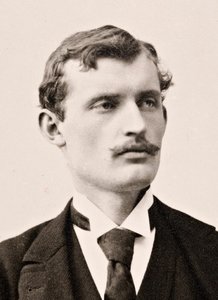
爱德华·蒙克
1863 - 1944 , 瑞典
艺术家简介
- Artistic Movement Or Style: 表现主义
- Artists Or Movements Influenced By This Artist: ['德国表现主义']
- Artists Who Influenced This Artist:
- 保罗·高更
- 文森特·梵高
- 亨利·德·图卢兹-劳雷克
- Date Of Birth: 1863年12月12日
- Date Of Death: 1944年1月23日
- Full Name: 爱德华·蒙克
- Nationality: 挪威
- Notable Artworks:
- 《呐喊》
- 《麦达罗娜》
- 《病儿》
- 《忧郁一号及二号》
- Place Of Birth: 阿代尔斯布鲁克,瑞典
相关文章
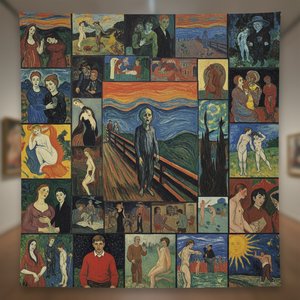
爱德华·蒙克25幅杰作:探索焦虑与灵魂深处的艺术之旅 | OriginalUniqueArt
探索爱德华·蒙克25幅传世杰作,感受表现主义大师笔下的焦虑与灵魂深处。高清油画复制、艺术品购买及室内装饰灵感尽在OriginalUniqueArt.com!发现更多经典名画。
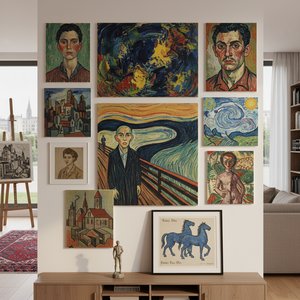
波瀾壯闊:表現主義十大名作,定義時代與靈魂
探索表现主义的灵魂!本文精选十幅名作,从莫迪里亚尼到夏加尔,揭秘大师背后的故事与艺术魅力。感受色彩的力量,重塑您的家居空间。OriginalUniqueArt.com 提供博物馆品质的艺术复制品和个性化装饰方案。立即在线探索全系列!

Edvard Munch: Anxiety, Modernity & the Dawn of Expressionism
Explore the profound world of Edvard Munch, pioneer of Expressionism. Discover the origins of 'The Scream' & his haunting depictions of anxiety, mortality, and love. Expert analysis & high-quality reproductions at OriginalUniqueArt.

Unlocking Emotion: A Beginner's Guide to the Raw Power of Symbolic Expressionism Art
Discover the raw emotion of Symbolic Expressionism. Our expert guide explores how masters like Munch use color and form to convey inner feelings, offering inspiration for collectors looking to bring powerful, soulful art into their modern homes.