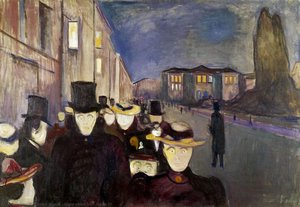
油画原件
 关于 Red vine 的一切







































 对于任何边长超过 105 厘米(约 41 英寸)的艺术品或复制品,画框将以拆解后的组件形式发货。此方法可确保安全送达并防止运输过程中的损坏。


Red Vine: A Haunting Expression of Isolation
“Red Vine” (1898) by Edvard Munch is a seminal work within the Expressionist movement, offering a profound exploration of human emotion and psychological distress. This painting isn't merely a depiction of a landscape; it’s a visceral representation of inner turmoil projected onto the external world.
The Painting Style: Expressionism
Expressionism, as an art movement, arose in the late 19th and early 20th centuries as a reaction against Impressionism's focus on objective reality. Instead, Expressionist artists sought to convey subjective emotions and experiences through distortion, exaggeration, and bold use of color. Munch was a key figure in this movement, and "Red Vine" exemplifies its core tenets. The painting utilizes rough brushstrokes, intense reds, and an unsettling composition to evoke a sense of anxiety and unease.
Significance in the Context of Expressionism
“Red Vine” stands as a powerful example of Expressionist principles at work:
- Intense Color Palette: The dominant use of red, far from representing natural foliage, creates an atmosphere of heightened emotion and potential danger. It symbolizes passion, anxiety, and perhaps even impending doom.
- Distorted Forms: The figure within the painting is not realistically rendered; instead, it appears isolated and vulnerable, contributing to the overall feeling of alienation. The house itself seems almost consumed by the encroaching vines, further emphasizing a sense of entrapment.
- Emotional Narrative: The scene doesn't tell a straightforward story but rather evokes a complex emotional state. It suggests themes of isolation, fear, and the struggle against overwhelming forces.
Symbolism and Interpretation
While Munch rarely provided definitive explanations for his works, "Red Vine" is rich in potential symbolism:
- The Red Vines: These are not simply decorative elements; they represent a suffocating force, potentially symbolizing jealousy, obsession, or the destructive power of emotions.
- The Figure: The lone figure’s posture and expression convey a sense of dread and vulnerability. It could be interpreted as representing Munch himself, grappling with his inner demons, or a universal symbol of human fragility in the face of adversity.
- The House: The dilapidated house suggests decay, instability, and perhaps even the crumbling foundations of the psyche. Its integration within the landscape emphasizes its vulnerability to external forces.
Emotional Impact and Legacy
“Red Vine” leaves a lasting impression on viewers due to its raw emotional power. The painting’s unsettling atmosphere and ambiguous narrative invite introspection, prompting audiences to confront their own anxieties and fears. Munch's masterful use of color and form continues to inspire artists today, solidifying his place as one of the most influential figures in modern art. It serves as a poignant reminder of the expressive potential of art to convey profound human experiences.
常见问题与解答
Red vine是手绘的还是印刷的?
手工绘制:由受过专业训练的画家在亚麻画布上,以油画形式临摹 Red vine。
Red vine 我该选择什么尺寸?
尺寸范围从 32.0 x 31.2 cm (¥1337) 到 242.5 x 236.8 cm (¥13847);本页表格列出了主要步骤及其价格。
物流需要多长时间?
送货时间为 4 至 5 周,并提供全球免费快递服务;本页面还提供加急制作选项。您可以在 100 天内无条件退货并获得全额退款。
爱德华·蒙克 在创作《Red vine》时使用了什么媒介?
Acrylic On Canvas
 实景预览

 分享
 分享
 详情
 详情页


 下载作品
 相似作品
 X射线
 幻灯片播放
 问答

 统计数据