
 效果预览
效果预览
 购买印刷品
购买印刷品 分享
分享 分享
分享
 详情
详情

 下载
下载
 相似作品
相似作品 X射线
X射线 幻灯片播放
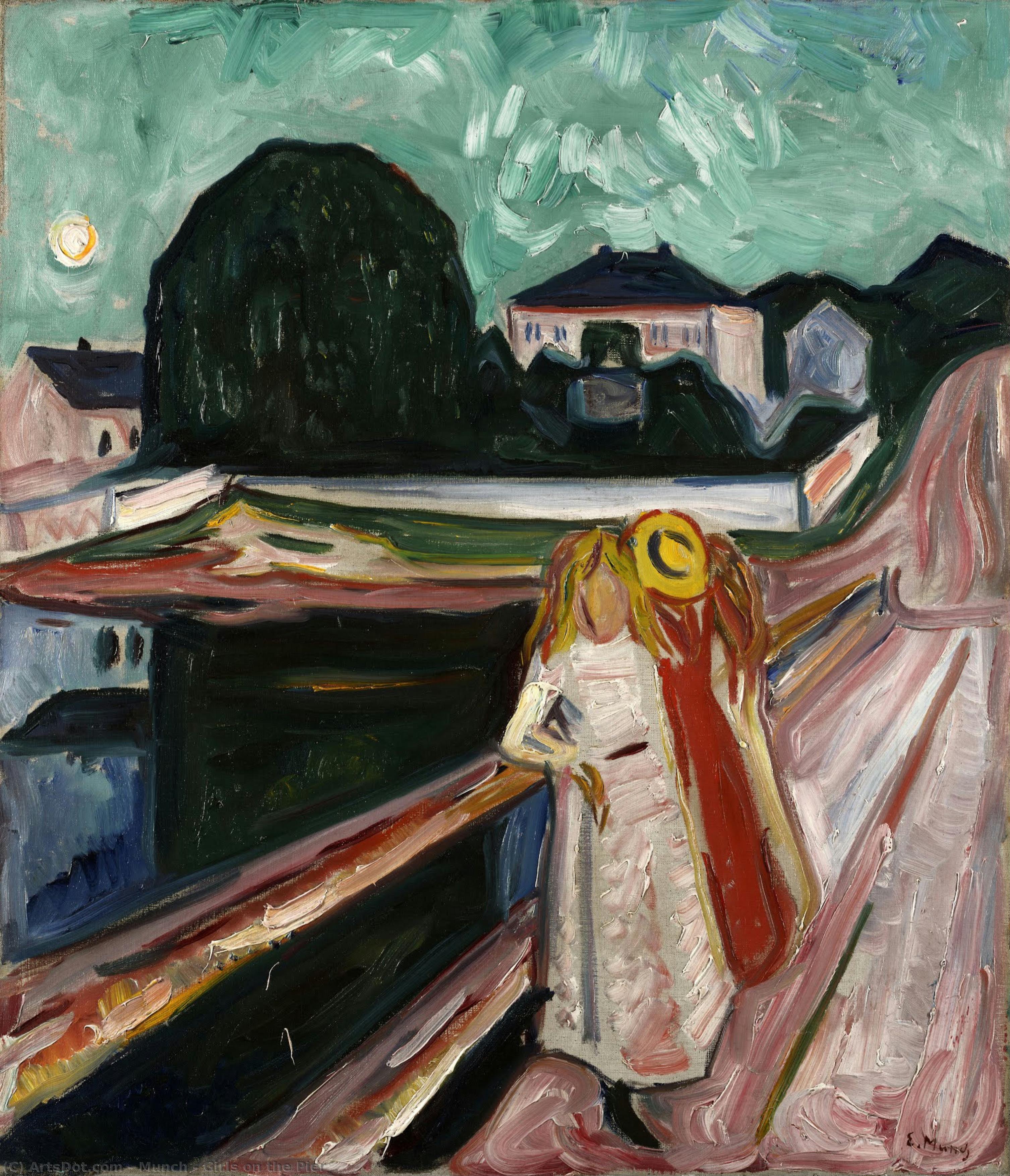
幻灯片播放Girls on the Pier


 展开详情
展开详情
购买高分辨率增强版数字图像,其品质远超在线预览。
每一份文件都由我们的内部专家使用先进工具与专业的后期润色技术精心打造。我们确保每一张图像都具备卓越的清晰度、精准的色彩还原度以及细腻的细节表现。
最终文件将在 72 小时内通过电子邮件交付,并针对专业、编辑及印刷用途进行了优化。其品质与顶级设计工作室、出版社和画廊所信赖的标准完全一致。
每份数字图像订单均包含
专业数字图像交付,品质保障
选择 OriginalUniqueArt.com,您获得的不仅仅是一张图像——您收到的是经过专业级增强、精雕细琢的数字艺术作品,并享有满意保证。以下是您的订单中自动包含的所有内容:

邮件快速送达
您的高分辨率数字图像文件将在下单后 72 小时内通过电子邮件发送给您 —— 即可立即使用。

AI 增强型数字文件
您的艺术品经过专业优化,结合先进的 AI 技术与人工修饰,确保呈现极致的细节、清晰度与色彩准确度。

终身免费重发服务
不小心删除了文件或找不到了?没关系——我们将随时为您免费重发。

无需进口费用,始终如一
即刻拥有您的艺术作品,无需支付任何关税、税费或运费——数字下载始终免税。

色彩精准保证
我们通过专业工具与色彩管理技术,确保您的数字图像尽可能真实地还原原作色彩。

60天满意保证
如果您对所购买的数字图像不满意,我们将在60天内为您进行修改或退还100%的款项——无需任何解释。

100% 退款保证
如果不满意?在收到数字文件后的60天内,我们为您提供全额退款——无需任何理由。

批量订单优惠
购买 3 张图片可享 10% 折扣 - 购买 5 张可享 15% 折扣 - 购买 10+ 张可享 20% 折扣。非常适合创意项目、画廊和机构使用。
藏品详情
A Nocturne of Longing: Edvard Munch’s ‘Girls on the Pier’
Edvard Munch's “Girls on the Pier,” painted in 1904, isn’t merely a depiction of a seaside scene; it’s a profound exploration of isolation, anxiety, and the unsettling beauty of human emotion. Created during a period of intense personal struggle for the artist – marked by recurring nightmares, mental health challenges, and a deep-seated fear of mortality – the painting resonates with an almost palpable sense of unease that continues to captivate viewers over a century later. It’s a work steeped in Symbolism and Expressionism, pushing beyond realistic representation to delve into the inner landscapes of the human psyche.
The composition itself is strikingly unconventional. Munch abandons traditional perspective, instead employing a dramatic, slanting diagonal that dominates the canvas. This pier, rendered in shades of dusky pinks and reds, doesn’t offer a comforting vista; it relentlessly draws the eye towards a distant, almost spectral hotel under a swollen, full moon. The figures – four young women – are positioned along this unsettling trajectory, seemingly lost within their own thoughts, adrift in a space that feels both expansive and claustrophobic. Their postures are subtly melancholic, suggesting a shared burden of unspoken anxieties. Notably, one girl turns her back to the group, her face an enigmatic blankness—a powerful symbol of detachment and introspection.
The Palette of Disquiet: Color and Technique
Munch’s masterful use of color is central to the painting's emotional impact. He eschews bright, cheerful hues in favor of a muted palette dominated by greens, pinks, reds, and blues—a deliberate choice that contributes to the overall atmosphere of melancholy and foreboding. The sky isn’t a serene blue but rather a bruised turquoise-green, mirroring the turbulent emotions simmering beneath the surface. Bold brushstrokes are immediately apparent; they aren't blended smoothly but retain their individual character, creating a textured surface that feels both raw and immediate. This visible technique—a hallmark of Munch’s style—underscores the painting’s intensely personal nature, conveying not just an image but also the artist’s own emotional state.
The application of paint is particularly noteworthy in the rendering of the pier itself. The diagonals are emphasized through thick, layered strokes, creating a sense of instability and movement. The distant hotel, bathed in the ethereal glow of the moon, appears almost dreamlike—a symbol perhaps of unattainable desires or lost innocence. Munch’s technique isn't about replicating reality; it’s about translating feeling onto canvas, using color and line to evoke a specific mood.
Symbolism and the Weight of Experience
“Girls on the Pier” is rich in symbolic meaning, reflecting Munch’s own personal struggles with illness, loss, and mental instability. The pier itself can be interpreted as a liminal space—a threshold between worlds, representing the uncertainty and anxiety inherent in life. The women themselves embody themes of isolation, introspection, and perhaps even repressed desires. Their averted gazes suggest a shared awareness of something unspoken, a collective burden of melancholy. The blank expression of the girl facing away from the group is particularly poignant, hinting at a profound sense of detachment and an inability to connect with others.
Furthermore, the setting—Åsgårdstrand, where Munch spent time in 1893 developing these ideas—was a popular resort known for its artistic community. However, even within this environment of creativity, Munch’s vision remained shadowed by his personal demons. The painting isn't simply a depiction of a seaside scene; it’s a window into the artist’s troubled soul.
A Legacy of Emotional Intensity
“Girls on the Pier” stands as one of Edvard Munch’s most enduring and emotionally resonant works. Its haunting beauty, combined with its underlying sense of unease, continues to resonate with viewers today. The painting's influence can be seen in subsequent generations of Expressionist artists, who embraced Munch’s exploration of subjective experience and his willingness to confront the darker aspects of human existence. Reproductions of this powerful image—particularly those capturing the dynamic brushwork and evocative color palette—offer a glimpse into the mind of a tormented genius, inviting us to contemplate our own anxieties and vulnerabilities in the face of an uncertain world.
艺术家简介
蒙克的生命:阴影与呐喊
爱德华·蒙克,1863年出生于挪威的阿代尔斯布鲁克,他的名字如今已与现代艺术中焦虑和情感动荡的象征紧密相连。他的一生笼罩在悲伤的阴影之下,童年的不幸——母亲和姐姐都因肺结核去世——深深地影响了他,并成为了他艺术创作的源泉。蒙克的父亲虔诚而又饱受精神疾病困扰,这使得蒙克的世界充满了恐惧和不安,这些感受不仅塑造了他的个人生活,也渗透到了他的绘画作品中。他并非简单地描绘场景,而是将内心的痛苦转化为视觉语言,用扭曲的形象和大胆的色彩表达人类最深层的心理挣扎。蒙克的艺术生涯并非一帆风顺,但他始终坚持探索内心世界,最终创造出了一系列震撼人心的作品,深刻影响了后世的艺术家。从传统到现代:蒙克的艺术之路
蒙克最初在基督教亚(奥斯陆)皇家美术设计学院接受过正规训练,但真正激发他创作灵感的,是与虚无主义者汉斯·耶格的相遇。耶格鼓励蒙克抛弃传统的学术风格,深入挖掘自己的主观体验,并提出了“灵魂绘画”的概念。这一转变标志着蒙克艺术风格的开端——一种以原始情感、扭曲的形态和对自然主义表现手法拒绝为特征的风格。19世纪90年代,蒙克前往巴黎,接触了蓬勃发展的后印象派运动,从中汲取了保罗·高更、文森特·梵高和亨利·德·图卢兹-劳雷克的艺术灵感。这些艺术家对色彩的大胆运用、奔放的笔触以及对情感表达的重视,深深地影响了蒙克,并促使他形成了自己独特的艺术语言。蒙克并非简单地模仿他们的技巧,而是将这些元素融入到自己的创作中,创造出一种能够传达最深刻和令人不安的人类情感的视觉形式。呐喊:现代焦虑的象征
毫无疑问,《呐喊》是蒙克最具代表性的作品,它已经超越了绘画本身,成为了现代人精神痛苦的普遍象征。这幅画作描绘了一个在血红色天空下绝望地捂着耳朵的人物,扭曲的面容和夸张的姿势传达出一种无法言喻的恐惧和焦虑。《呐喊》并非仅仅是对个人经历的回顾,而是对整个时代精神的一种深刻反思。蒙克曾描述说,他是在日落时分散步时听到了“巨大而无限的自然之声”,正是这种体验促使他创作了这幅画作。它捕捉到了现代人普遍存在的孤独感、迷茫感和对未知的恐惧,因此能够引起如此广泛的共鸣。除了《呐喊》之外,《麦达洛娜》、《忧郁一号及二号》等作品也深刻地探讨了爱情、死亡、孤独和绝望等主题,展现了蒙克对人类情感复杂性的敏锐洞察力。影响与遗产:现代艺术的先驱
爱德华·蒙克的贡献在于他大胆地探索了人类内心深处的黑暗面,挑战了传统的美学观念,并为后来的艺术家开辟了新的道路。他被认为是表现主义运动的重要先驱,他的作品对20世纪的艺术产生了深远的影响。从德国表现主义画家到后来的抽象表现主义者,无数艺术家都受到了蒙克作品的启发。蒙克的绘画风格打破了传统的写实主义框架,强调主观情感和内心体验的重要性,为现代艺术的发展奠定了基础。他不仅是一位伟大的画家,更是一位深刻的思想家,他的作品至今仍能触动人们的心灵,引发对生命、死亡和人类存在的思考。 蒙克留下的不仅仅是绘画作品,更是一种探索人性的勇气,一种敢于直面内心痛苦的精神,这种精神将继续激励着一代又一代的艺术家。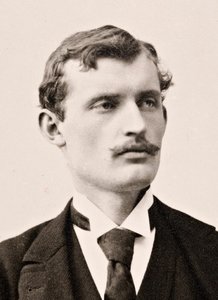
爱德华·蒙克
1863 - 1944 , 瑞典
基本信息
- Artistic Movement Or Style: 表现主义
- Artists Or Movements Influenced By This Artist: ['德国表现主义']
- Artists Who Influenced This Artist:
- 保罗·高更
- 文森特·梵高
- 亨利·德·图卢兹-劳雷克
- Date Of Birth: 1863年12月12日
- Date Of Death: 1944年1月23日
- Full Name: 爱德华·蒙克
- Nationality: 挪威
- Notable Artworks:
- 《呐喊》
- 《麦达罗娜》
- 《病儿》
- 《忧郁一号及二号》
- Place Of Birth: 阿代尔斯布鲁克,瑞典

