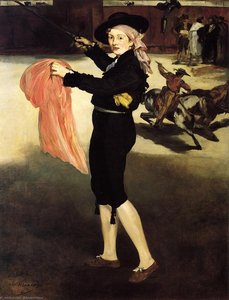
实景预览
实景预览
 分享
分享 分享
分享
 详情
详情 指南
指南

 下载作品
下载作品
 相似作品
相似作品 X射线
X射线 幻灯片播放
幻灯片播放 问答
问答 统计数据
统计数据The philosopher

- 187.0 x 107.0 cm


 展开全文
展开全文
艺术微喷/版画
博物馆级艺术微喷或帆布版画,制作高效,并提供多种饰面选择。 ( 订购纯手工绘制画作 切换至数字图像销售渠道)




P118B ¥10

P118H ¥10

P118W ¥10

P438Z ¥10

P508JH ¥12

P508YH ¥12

P805H ¥10

P805Z ¥10

P919BZ ¥10

P919G ¥10

P919XJ ¥10

P959ZH ¥10

P968JZ ¥12

W106C ¥8

W218G ¥10

W218JH ¥8

W218Y ¥10

W307PJ ¥10

W316G ¥10

W316PJ ¥8

W316Y ¥10

W398PJ ¥8

W4111J ¥10

W500HY ¥15

W500JH ¥15

W692G ¥12

W849H ¥8

W940BG ¥15

W953PJ ¥8




您可以从与原作比例一致的预设尺寸中进行选择。

请输入您所需的宽度和高度,以适配您的画框或墙面。由于印刷品只能进行裁剪,无法超出原图尺寸,因此若比例不一致,画面的一部分将会被裁切。在正式印刷之前,我们会为您发送一份数字效果图供您确认。本页面显示的图片并非最终裁剪后的效果——只有效果图才能展示真实的裁剪情况。


 玻璃选项仅适用于110厘米以下的尺寸。

The philosopher
艺术微喷/版画
复刻品尺寸
-


最终结算价
¥ 543
The Philosopher: A Window into Manet’s Modern Soul
Édouard Manet's *The Philosopher*, painted in 1867, isn’t merely a portrait; it’s a carefully constructed tableau that encapsulates the burgeoning spirit of modern art. This oil-on-canvas work, measuring a substantial 187 x 107 cm, invites us into a quiet contemplation, a moment suspended between observation and thought. The subject, a man draped in a long coat and hat – a figure instantly recognizable as embodying intellectualism – stands on a Parisian street, his hands tucked casually into his pockets, radiating an aura of profound introspection. Yet, it’s not the individual that commands our attention entirely, but rather the subtle orchestration of elements surrounding him: the birds perched above, the clock subtly hinting at time's passage, and the carefully chosen background details. These aren’t merely decorative flourishes; they contribute to a layered narrative, inviting us to consider the nature of existence itself. The painting emerged from a pivotal moment in art history – a period of intense transition between Realism and Impressionism. Manet, already known for his provocative works like *Le Déjeuner sur l'herbe* and *Olympia*, was pushing boundaries with each new creation. He deliberately challenged academic conventions by depicting everyday life, often featuring ordinary people in unidealized ways. *The Philosopher* exemplifies this approach, eschewing the polished surfaces and heroic narratives favored by earlier generations of artists. Instead, Manet presents a scene stripped bare of sentimentality, focusing on the raw reality of urban existence. The muted palette – dominated by browns, grays, and ochres – reinforces this sense of understated observation. Notice how he employs loose brushstrokes, characteristic of his style, creating an almost hazy effect that softens the edges and contributes to the painting’s contemplative mood. Manet's stylistic choices are deeply rooted in both Realism and Impressionism. He retains a degree of realism in his depiction of the subject and setting, meticulously rendering the details of the man’s clothing and the streetscape. However, he also embraces the Impressionist emphasis on capturing fleeting moments of light and color. The dappled sunlight filtering through the background suggests movement and atmosphere, while the subtle shifts in tone create a sense of depth and spatial ambiguity. This blending of styles – realism tempered by impressionistic sensitivity – is what makes Manet such a revolutionary figure. He wasn’t simply painting what he saw; he was actively shaping how we perceive the world around us. The inclusion of birds, for instance, adds a layer of symbolic richness. Birds are often associated with freedom and intellect, further reinforcing the subject's philosophical nature. The historical context surrounding *The Philosopher* is crucial to understanding its significance. Manet’s work coincided with a period of rapid social and economic change in Paris – the rise of industrialization, urbanization, and a growing sense of alienation. His paintings reflected this turbulent atmosphere, capturing the anxieties and uncertainties of modern life. The painting's placement within the broader context of Manet's career reveals his deliberate attempt to challenge established artistic norms and pave the way for future generations of artists. *The Philosopher* stands as a testament to Manet’s innovative spirit and his profound impact on the development of modern art, ultimately finding its home in the prestigious Art Institute of Chicago, where it continues to captivate viewers with its quiet intensity and enduring relevance.Artistic Details & Symbolism
Let's delve deeper into the specific details that contribute to *The Philosopher’s* evocative power. The man himself is presented in a state of profound contemplation, his gaze directed towards an unseen horizon. His beard and mustache lend him an air of intellectual authority, solidifying his role as a philosopher. Note the careful rendering of his clothing – the long coat, the hat, the simple pocket watch – each element contributing to a sense of timelessness and dignity. The background is equally significant. The two birds perched above suggest a connection to nature, while the clock subtly reminds us of the relentless passage of time. These seemingly minor details are carefully orchestrated to create a harmonious whole, inviting viewers to engage in their own interpretations.Manet’s Legacy & Influence
Édouard Manet's influence on subsequent generations of artists is undeniable. His willingness to challenge conventions and depict modern life with unflinching honesty paved the way for Impressionism and beyond. Artists like Claude Monet, Pierre-Auguste Renoir, and Edgar Degas were deeply influenced by Manet’s techniques and his approach to subject matter. *The Philosopher*, in particular, demonstrates Manet's ability to capture a fleeting moment of human experience with remarkable sensitivity and insight. His work continues to inspire artists today, reminding us of the power of art to challenge our perceptions and expand our understanding of the world.Reproductions & Viewing Experience
OriginalUniqueArt offers meticulously crafted hand-painted reproductions of *The Philosopher*, capturing the essence of Manet’s original masterpiece with unparalleled fidelity. Our skilled artisans employ traditional oil painting techniques, carefully recreating every brushstroke and nuance of color. These reproductions are not merely copies; they are works of art in their own right, imbued with the same spirit and emotion as the original. Whether you choose a large-scale statement piece for your home or a smaller, more intimate reproduction to adorn your office, our hand-painted versions will bring this iconic artwork into your space, allowing you to appreciate its beauty and complexity for years to come. Explore our collection today and experience *The Philosopher* in a whole new light.常见问题与解答
埃杜瓦·马奈 的《The philosopher》 的创作年份是哪一年?
埃杜瓦·马奈 的《The philosopher》 创作于 1867 年。
"The philosopher" 的版画推荐用于何处?
埃杜瓦·马奈 的《The philosopher》 的建议用途为 反光性,同时也适用于其他场景。
"The philosopher"创作于哪一年,属于哪种艺术流派?
埃杜瓦·马奈 的《The philosopher》创作于1867年,属于Realism and Impressionism流派。
艺术家简介
早年生活、家庭与艺术启蒙
1832年1月23日,埃杜瓦·马奈出生于巴黎。他成长于一个富裕的家庭,父亲在法国司法部担任要职。在父亲的规划中,儿子的未来应当在海军或法律领域寻求稳定,这更符合家族的社会地位。这个男孩曾试图遵循既定的道路,但两次未能通过海军学院的入学考试。然而,正是这次挫折,让他的目光转向了画室。为了证明自己对艺术的赤诚,他最终向父亲呈交了一份画作集,并由此获得了正式学习绘画的许可。
从1850年到1856年,他在托马斯·库图尔的画室中接受训练。虽然他在那里掌握了学院派绘画的技术基础,但他的心却常常飘向卢浮宫。他将大量时间花在那些画廊中,伫立在古典大师的画布前,潜心临摹他们的技法。他研习着大师们处理光影与形体的精妙方式,在汲取历史教训的同时,也在为寻找属于自己的艺术之路积蓄力量。这段刻苦钻研的时期,为他日后打破传统、开创变革提供了坚实的技术底蕴。
技法与艺术风格
画布的表面呈现出一种对沙龙式那种细腻、平滑且追求“隐形”笔触的刻意背离。埃杜瓦·马奈并不试图抹平画笔留下的痕迹,取而代之的是一种充满活力且清晰可见的颜料堆叠,这种被称为“笔触感”(facture)的技法,将绘画的重点转向了颜料本身的物质真实性。通过运用“阿拉普里马”(alla prima)或“湿画法”(wet-on-wet),他在色彩尚未干透时便将其铺陈开来,捕捉到一种转瞬即逝的即时感,从而避开了传统学院派那种缓慢、层层叠加的繁琐过程。这种创作方式赋予了光影与氛围一种难得的自发性与灵动感。
在形体的构建方式上,一种显著的扁平化倾向跃然纸上。他那松散、随性的笔触避开了传统绘画中用于营造深邃三维幻觉的厚重塑造,使得画面空间往往呈现出一种压缩感。这种视觉效果在强烈的对比色调运用下被进一步放大。他不再依赖细腻的色彩渐变来界定形状,而是频繁使用剧烈的明度转换,去暗示城市中那种破碎且现代的光影效果。这种对数学透视法和无缝融合技巧的摒弃,创造出一种极强的临场感,仿佛整幅图像正是在观众眼前即时组装而成。
现代题材引发的丑闻
1860 年代中期,埃杜瓦·马奈与公众目光之间爆发了一系列激烈的碰撞。1863 年,被官方沙龙拒之门外的作品在“被拒展览”(Salon des Refusés)中获得了展示舞台,其中便包含了引起轩然大波的《草地上的午宴》。这幅画作并未像传统作品那样,借助于神话或圣经的借口来呈现裸体;相反,它将一位裸体女性置于野餐场景中,与两名衣着得体的男子并肩而坐。这种拒绝提供历史或神圣背景的做法,让观众面对的不再是理想化的幻象,而是当代生活最原始、最直接的存在。
随着 1865 年《奥林匹亚》的展出,这种紧张局势进一步升级。这件作品被认为是当时沙龙中最令人震惊的作品。它借鉴了提香《乌尔比诺的维纳斯》的构图,却剥离了神话所提供的保护层,将女神替换成了一位当代妓女。她并没有回避视线,也没有试图诱导赞美的目光,而是以一种让许多人感到不安的直接目光回望着观众。评论家们将愤怒集中在作品对理想化处理的缺失,以及题材本身所表现出的那种直白无忌上。
除了题材的选择,马奈的用笔方式也遭到了严厉的批评。许多观察者抨击其笔触过于明显且充满躁动感,缺乏学院派那种细腻、无缝的完成度。在他们眼中,画作存在透视错误,且未能遵循传统的礼仪规范。然而,在一些人将其斥为“平庸无能”的同时,另一些人却敏锐地察觉到,这是一种深思熟虑的选择——马奈试图展示的是画布上油彩本身的真实质感,而非通往梦境的窗户。
核心杰作与重要画作
1861年,埃杜瓦·马奈创作了《西班牙歌手》,这部作品为他在沙龙展览中赢得了荣誉提名。画中模特身着安达卢西亚服饰,怀抱吉他,其按压琴弦的方式暗示着演奏者为左撇子,尽管乐器的弦线却是为右撇子设计的。这种细微且刻意的错误,与模特脚边那组充满刻板印象的西班牙静物画并置在一起,构成了画面的独特张力。
他的笔触往往直指当下与政治。1867年,他创作了《墨西哥皇帝马克西米利安的处决》。随着1870年代后期身体状况的下滑,他的创作重心逐渐转向更为细碎、私密的题材。到了1882年,他完成了《浮罗莱斯舞厅的酒吧》,这幅画以一种心理上的模糊感,精准地捕捉到了现代咖啡馆的喧嚣氛围。在生命的尾声,大约1883年左右,他的目光转向了静物画,例如《餐布上的两朵玫瑰》。
- 《西班牙歌手》(1861)
- 《墨西哥皇帝马克西米利安的处决》(1867)
- 《浮罗莱斯舞厅的酒吧》(1882)
- 《餐布上的两朵玫瑰》(约1883)
圈子、对手与影响
埃杜瓦·马奈的笔触中承载着他在卢浮宫研习大师时的厚重积淀。为了寻找艺术前进的道路,他向卡拉瓦乔那戏剧性的光影效果寻求启示,并从委拉斯凯兹流动的深沉色调中汲取养分。而从戈雅那里,他习得了一种直截了当的表达方式,这种方式绕过了学院派对精致修饰的执念。这些研习并非单纯的临摹,而是他用来拆解官方沙龙传统期待的利刃。相比于那种通过色调渐变营造出的平滑过渡,他更偏爱单一且强烈的色彩所带来的视觉冲击力。
在巴黎的咖啡馆与知识分子圈层中,埃杜瓦·马奈与那些即将重新定义时代的先驱们并肩而行。他与克劳德·莫奈以及埃德加·德加共享着艺术空间与思想火花,这些艺术家都在不断冲撞绘画边界的极限。他的私人生活同样与前卫艺术紧密交织;他的嫂子正是艺术家贝尔特·莫里索。尽管他时常试图寻求官方机构的认可,但他真正的同道中人,却是那些在传统学院派阴影下默默耕耘的开拓者。
在那些充满争议的画布中,一位作家敏锐地预见了未来,并成为了埃杜瓦·马奈早期最坚定的发声者。这位支持者发表了关于他作品的赞美之作,帮助他在变幻莫测的艺术世界中确立了自己的地位。即便当公众对他笔下的现代题材表现出敌意时,这种支持也为那些指责他风格粗糙或主题不当的评论家提供了必要的制衡。他始终是一个徘徊在学院派旧世界与街头不安分的现代能量之间的灵魂人物。
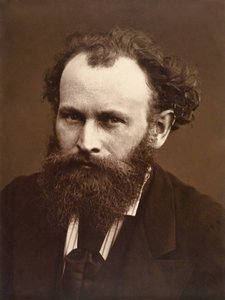
埃杜瓦·马奈
1832 - 1883 , 法国
艺术家简介
- Artistic Movement Or Style: 现实主义, 印象派, 前卫艺术
- Artists Or Movements Influenced By This Artist:
- 印象派
- 前卫艺术
- 克劳德·莫奈
- 贝尔特·莫里索
- 埃德加·德加
- 高更
- Artists Who Influenced This Artist:
- 卡拉瓦乔
- 迭戈·委拉斯开兹
- 弗朗西斯科·戈雅
- 提香
- 拉斐尔
- 弗兰斯·哈尔斯
- 彼得·保罗·鲁本斯
- Date Of Birth: 1832年
- Date Of Death: 1883年
- Full Name: 埃杜瓦·马奈
- Nationality: 法国
- Notable Artworks:
- 《奥林匹亚》
- 《草地上的午宴》
- 《浮罗莱斯舞厅的吧台》
- Place Of Birth: 法国巴黎
相关文章
印象派巨著:十幅定义艺术流派的杰作,点亮您的臻美家居
探索印象派艺术的巅峰!本文精选十幅定义这一伟大流派的杰作,从莫奈的光影到雷诺阿的柔情。了解艺术家故事、绘画技巧与作品背后的灵感。OriginalUniqueArt.com为您提供博物馆品质的画作复制品和家居装饰方案,点亮您的生活空间。尽在OriginalUniqueArt.com!

Romantic Realism's Finest: 10 Masterpieces for Your Home | OriginalUniqueArt
Explore 10 defining masterpieces of Romantic Realism! Discover Courbet, Millet & Daumier's powerful paintings—capturing emotion and social realities. Find museum-quality reproductions for your home at OriginalUniqueArt.com.

Impressionism's Masterpieces: 10 Paintings That Defined a Movement | OriginalUniqueArt
Journey through Impressionism's heart with 10 iconic paintings by Monet, Renoir & Degas. Explore light, color & the stories behind these masterpieces. Find museum-quality art reproductions and elevate your home decor on OriginalUniqueArt.com.

爱德华·马奈:25幅大师杰作,重塑现代艺术与家居美学
探索爱德华·马奈25幅经典画作,领略印象派大师的艺术魅力!从《草地上的午餐》到《奥林匹亚》,深入了解每件作品背后的故事与技法。OriginalUniqueArt.com提供博物馆级高质量油画复制品,为您的家居增添艺术气息。立即探索完整系列!

Impressionistic Realism's Finest: 10 Masterpieces for Your Home | OriginalUniqueArt
Journey through Impressionistic Realism with 10 iconic masterpieces by Monet, Renoir & Van Gogh. Explore art history, techniques & find museum-quality reproductions for your home at OriginalUniqueArt.com. Discover all masterpieces online!