切换至版画销售渠道
 展开全文
展开全文







































 对于任何边长超过 105 厘米(约 41 英寸)的艺术品或复制品,画框将以拆解后的组件形式发货。此方法可确保安全送达并防止运输过程中的损坏。


A Snapshot of Parisian Modernity: Examining Édouard Manet’s “Polichinelle”
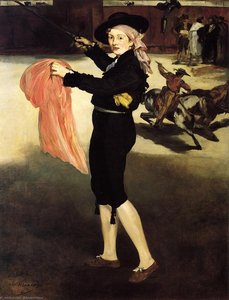
Édouard Manet's "Polichinelle," a deceptively simple depiction of a strolling performer, transcends its apparent casualness to offer a profound commentary on the burgeoning artistic landscape of late 19th-century Paris. Painted around 1867, this canvas resides within the Detroit Institute of Arts’ collection and serves as a pivotal moment in Impressionism's ascent—a defiant rejection of academic tradition that nonetheless retains an undeniable elegance. The painting isn’t merely about capturing a scene; it’s about interrogating what constitutes beauty and how art reflects the anxieties and aspirations of its time.- Subject Matter & Composition: Manet eschews grand narratives, opting instead for a tableau vivant—a “living picture”—that captures a fleeting moment in urban life. The central figure, dressed in flamboyant costume reminiscent of Commedia dell’Arte characters, embodies the spirit of theatrical performance and popular entertainment. He is accompanied by several other individuals, creating a dynamic interplay of figures against a muted backdrop that emphasizes the performer's isolation within the crowd.
- Style & Technique: Unlike the meticulous realism favored by academic painters, Manet employs loose brushstrokes and flattened planes of color—characteristics emblematic of Impressionism. The artist deliberately avoids blending hues seamlessly, allowing individual strokes to retain their vibrancy and texture. This technique prioritizes capturing the effects of light and atmosphere over precise anatomical detail, mirroring the Impressionists’ fascination with sensory experience.
Historical Context: Challenging Artistic Conventions The painting emerged during a period of significant artistic upheaval. The Salon des Refusés, established in response to the rejection of Manet's and other artists’ submissions by the official Salon jury, signaled a growing discontent with academic dogma. Critics vehemently opposed Manet’s stylistic choices, arguing that they undermined the principles of classical art—specifically, idealized beauty and meticulous representation. Yet, Manet persisted in his pursuit of artistic innovation, demonstrating that true progress demanded a willingness to abandon established norms.
- Symbolism & Narrative Layers: Beyond its surface depiction, “Polichinelle” carries symbolic weight. The performer’s costume draws parallels with Commedia dell’Arte traditions—a theatrical genre known for its stylized characters and satirical commentary on social issues. This allusion speaks to Manet's broader ambition to engage viewers in a dialogue about art’s role in reflecting and shaping society.
- Emotional Impact: The painting evokes a sense of melancholy and detachment despite its colorful palette. The performer’s solitary stance suggests an awareness of the ephemeral nature of experience—a theme that resonates with Impressionist sensibilities. Furthermore, Manet's subtle manipulation of light contributes to an overall feeling of quiet contemplation.
Legacy & Influence “Polichinelle” stands as a cornerstone of Impressionism and profoundly impacted subsequent artistic movements. Its rejection of academic conventions paved the way for artists like Monet, Renoir, and Degas to explore new visual languages—embracing spontaneity and capturing fleeting impressions of the natural world. Manet’s unwavering commitment to artistic experimentation continues to inspire contemporary artists who strive to push boundaries and redefine notions of beauty.
常见问题与解答
马奈 的《Polichinelle》 的色调是明亮还是深沉?
“Polichinelle”的整体亮度为brilliant,其亮度值为Luminous。
马奈 的《Polichinelle》 的色彩和谐度如何?
"Polichinelle" 的色彩和谐度评分为 Strong Color Unity。
"Polichinelle" 是否属于公有领域作品?
关于版权,"Polichinelle" 属于 属于公有领域 —— 其版权已过期。
 实景预览
实景预览
 分享
分享 分享
分享
 详情
详情 指南
指南

 下载作品
下载作品
 相似作品
相似作品 X射线
X射线 幻灯片播放
幻灯片播放 Q&A
Q&A 统计数据
统计数据