A Snapshot of Parisian Leisure: Édouard Manet’s “On the Beach”
Édouard Manet's "On the Beach," painted circa 1869-70, isn’t merely a depiction of a seaside holiday; it’s a pivotal moment in Impressionist art history—a defiant assertion of modern life against the constraints of academic tradition. Captured during a period of significant social and artistic upheaval in Paris, this canvas embodies Manet's unwavering commitment to portraying reality as he perceived it, rather than adhering to idealized representations favored by the Salon jury.
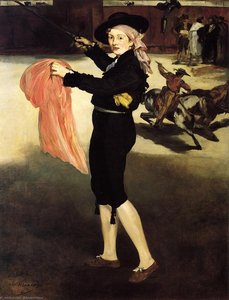
- Subject Matter: The scene unfolds on a sun-drenched beach, populated by figures engaged in everyday activities—bathing, strolling, and observing the sea. Notably absent is any grand narrative or mythological allusion; Manet focuses squarely on capturing the immediacy of human experience.
- Style & Technique: Unlike the meticulous detail characteristic of academic painting, “On the Beach” employs loose brushstrokes and a vibrant palette—a hallmark of Impressionism. Manet eschewed blending colors smoothly onto the canvas, opting instead for juxtaposed strokes that capture fleeting impressions of light and atmosphere. This technique prioritizes capturing the sensory experience of the moment above precise anatomical accuracy.
The painting’s historical context is crucial to understanding its significance. The Impressionists were actively rebelling against the rigid rules governing artistic expression at the time, rejecting the Salon's insistence on mythological subjects and idealized forms. Manet deliberately chose a commonplace subject—a beach scene—to challenge the established order and demonstrate that beauty could be found in ordinary life. He subtly undermined traditional notions of heroism and grandeur by presenting figures as vulnerable to the elements, emphasizing human connection with nature.
Symbolism: The sea itself represents freedom and renewal, mirroring Manet’s broader artistic ambition—to liberate art from dogma. The figures on the beach are not presented as heroic characters but as ordinary individuals enjoying a simple pleasure. This deliberate choice underscores Manet's belief that art should reflect the realities of contemporary society. Furthermore, the muted tones used in depicting the distant shoreline contribute to the painting’s contemplative mood—inviting viewers to contemplate the beauty and tranquility of nature alongside the complexities of human existence.
Emotional Impact: “On the Beach” resonates powerfully with its viewer due to its ability to evoke a feeling of warmth, serenity, and understated observation. Manet's masterful use of light and color creates an atmosphere that is both inviting and subtly melancholic—a reflection of the ephemeral nature of beauty and experience. It’s a painting that encourages contemplation and invites us to appreciate the quiet moments of life, reminding us that art can transcend grand narratives to capture the essence of human emotion.
This artwork reproduction offers an exceptional opportunity to bring Manet's vision into your home or studio—a testament to his enduring legacy as one of Impressionism’s most influential figures.
常见问题与解答
在“On the Beach”中,媒介与笔触是如何交融的?
“On the Beach”采用 Acrylic On Canvas 创作,呈现出 Impressionistic Landscape 风格。
马奈 的《On the Beach》 是人像、风景还是方形构图?
马奈 的《On the Beach》 采用 Landscape 格式。该格式描述了构图的比例。
我能查看马奈 的《On the Beach》的X光影像吗?
您可以在作品的 X射线透视 页面上逐层探索 “On the Beach”;该交互式查看器的设计灵感源自修复师使用的光源台,通过十一层光学读数呈现图像细节。

 切换至版画销售渠道
 展开全文
展开全文







































 对于任何边长超过 105 厘米(约 41 英寸)的艺术品或复制品,画框将以拆解后的组件形式发货。此方法可确保安全送达并防止运输过程中的损坏。


 实景预览
实景预览
 分享
分享 分享
分享
 详情
详情 指南
指南

 下载作品
下载作品
 相似作品
相似作品 X射线
X射线 幻灯片播放
幻灯片播放 Q&A
Q&A 统计数据
统计数据