定制手绘复刻品
 分享
分享 分享
分享
 详情
详情

 下载
下载
 相似作品
相似作品 X射线
X射线 幻灯片播放
幻灯片播放Boy with a Sword


 展开详情
展开详情




P118B $10

P118H $10

P118W $10

P438Z $10

P508JH $12

P508YH $12

P805H $10

P805Z $10

P919BZ $10

P919G $10

P919XJ $10

P959ZH $10

P968JZ $12

W106C $8

W218G $10

W218JH $8

W218Y $10

W307PJ $10

W316G $10

W316PJ $8

W316Y $10

W398PJ $8

W4111J $10

W500HY $15

W500JH $15

W692G $12

W849H $8

W940BG $15

W953PJ $8




从与原作比例一致的预设尺寸中进行选择。

您可以输入自定义尺寸,以适配特定的画框或空间。如果您选择的尺寸与原图比例不符,我们将对作品进行裁剪,或通过镜像填充/纯色填充边缘的方式来扩展图像。在开始制作之前,我们会向您发送一份数字效果图供您确认。
请注意,屏幕上的预览并不能反映实际的裁剪或扩展效果。只有效果图才能准确展示最终的构图。
虽然我们提供定制尺寸,但为了保持原图比例,我们建议您从预设列表中选择尺寸。


 玻璃选项仅适用于110厘米以下的尺寸。

Boy with a Sword
艺术微喷/版画
复制品尺寸
-


最终总价
-
藏品详情
Édouard Manet’s “Boy with a Sword”: A Bridge Between Realism and Modernity
Édouard Manet's "Boy with a Sword," painted in 1861, isn’t merely a portrait; it’s a pivotal moment in the trajectory of modern art. Often overlooked amidst the more flamboyant canvases that defined his career, this seemingly simple work—a young boy posed with a period sword—holds within it a complex interplay of historical reference, artistic innovation, and burgeoning psychological depth. It represents a deliberate step away from the rigid conventions of academic painting and toward a more direct, observational approach to depicting human experience – a hallmark of the Impressionists who would follow.
The genesis of this captivating image lies in Manet’s personal life. His stepson, Léon Koëlla-Leenhoff, a boy of approximately ten years old at the time, served as the model. Manet, deeply influenced by Spanish masters like Velázquez, sought to capture a sense of dignified solemnity reminiscent of the great painter's royal children. The choice of costume—a meticulously recreated seventeenth-century outfit—and the inclusion of the sword are not arbitrary; they’re deliberate nods to artistic tradition and a conscious effort to evoke a specific historical atmosphere. However, Manet doesn’t simply replicate the past; he subtly transforms it, imbuing the boy with an air of vulnerability and quiet contemplation that transcends mere imitation.
A Study in Light, Shadow, and Composition
Technically, “Boy with a Sword” is characterized by its remarkable simplicity. Manet employs a restrained palette—primarily muted browns, grays, and ochres—that emphasizes the textures of the fabric and the boy’s clothing. He utilizes loose brushstrokes and a broken color technique, anticipating Impressionist methods, to create an atmospheric effect rather than a meticulously rendered surface. The lighting is diffused and naturalistic, casting soft shadows that subtly shape the boy's features and contribute to his melancholic expression. Notice how Manet avoids sharp contrasts or dramatic highlights, opting instead for a delicate balance of light and dark.
The composition itself is carefully considered. The boy stands slightly off-center, drawing the viewer’s eye across the canvas. His gaze is averted, suggesting introspection and perhaps even a hint of sadness. The sword, held casually in his hand, acts as both a prop and a symbol—a marker of youthful privilege and potential danger. The background wall, rendered with minimal detail, serves to further isolate the subject and intensify the focus on his emotional state.
Historical Context and Artistic Legacy
Manet’s decision to exhibit “Boy with a Sword” five times between 1862 and 1872 reveals its significance within the evolving art world. Initially, the painting garnered favorable reviews, recognizing Manet's innovative approach to depicting contemporary life. However, it also sparked debate and criticism, particularly regarding its perceived lack of finish and its departure from traditional academic standards. Despite this initial resistance, “Boy with a Sword” played a crucial role in bridging the gap between Realism and Impressionism, paving the way for future generations of artists.
The painting’s eventual donation to The Metropolitan Museum of Art in 1889 marked a significant milestone in Manet's artistic recognition. It signaled a shift in critical opinion and established “Boy with a Sword” as one of his most enduring works. Its influence can be seen in the subsequent paintings of artists like Renoir, Degas, and Monet, who embraced Manet’s emphasis on capturing fleeting moments and conveying subjective experience.
Bringing "Boy with a Sword" into Your Home
At OriginalUniqueArt, we are proud to offer meticulously crafted, hand-painted oil painting reproductions of Édouard Manet’s “Boy with a Sword.” Our artisans replicate the artist's distinctive style and techniques with exceptional detail, ensuring that your reproduction captures the essence of this remarkable masterpiece. Available in sizes ranging from 131 x 93 cm to larger formats, you can bring this iconic work into your own space and enjoy its timeless beauty and profound emotional resonance. Explore our collection today: Édouard Manet: Boy with a Sword and Painting by 'Edouard Manet' | Edouard Manet: Boy with a Sword.
For further insights into Édouard Manet’s life and work, we encourage you to visit Édouard Manet on Wikipedia.
艺术家简介
巴黎叛逆者:埃杜瓦·马奈的一生与艺术
埃杜瓦·马奈,1832 年出生于巴黎一个舒适的资产阶级家庭,似乎注定无法成为一位革命性的艺术家。他的父亲是一位受人尊敬的法官,希望儿子能在法律或海军领域获得稳定的未来——这些职业符合他们的社会地位。然而,即使在他还是个小男孩的时候,马奈的心就属于艺术。十一岁时,他开始接受正式的绘画课程,尽管后来短暂地师从学院派画家托马斯·库图尔,但他很快发现库图尔僵化的方法令人窒息。这种早期的抵制预示着他将一生都在挑战艺术惯例。马奈对简单复制过去不感兴趣;他致力于捕捉现代巴黎生活的活力——有时甚至是它令人不安的现实。他经常光顾卢浮宫,并非仅仅为了临摹大师的作品,而是为了剖析他们的技巧,从卡拉瓦乔和委拉斯凯兹等艺术家那里学习如何运用明暗来塑造形式并唤起情感。然而,真正点燃马奈创造性道路的是艺术潮流的转变,特别是古斯塔夫·库尔贝倡导的现实主义的兴起。库尔贝坚持描绘没有理想化的日常生活与马奈产生了深刻的共鸣,使他摆脱了历史或神话题材的束缚。打破传统:丑闻与创新
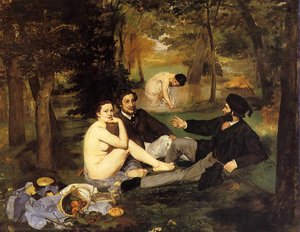
1860 年代是巴黎艺术激荡不安的时期,马奈发现自己正处于其中心。日本浮世绘的传入对他的美学情趣产生了深刻的影响。他被它们扁平透视、大胆构图和引人注目的色彩所吸引,这些元素将成为他自身风格的标志。这种影响与他对学院派精致日益增长的拒绝相结合,导致了震惊并丑化巴黎艺术界的作品。《草地上的午宴》(Le Déjeuner sur l'herbe)于 1863 年在被拒展览(Salon des Refusés)上展出——这是一个为官方沙龙拒绝的作品而设立的展览——成为了争议的焦点。这幅画描绘了一个裸女与两个穿着得体的男人一起野餐,并非仅仅在于裸露本身;而是关于这种裸露是如何呈现的。马奈的人物缺乏传统裸体作品中理想化的形式和神话背景。它们无疑是现代的,以一种令人不安的直接性让观众直面现实。《草地上的午宴》周围的丑闻随着他 1865 年的杰作《奥林匹亚》(Olympia)而加剧。这幅画是对提香《乌尔比诺的维纳斯》的刻意重塑,呈现了一位当代妓女大胆地凝视着观众。毫不妥协的现实主义和挑衅的主题受到了广泛谴责。评论家指责马奈粗俗和艺术无能,但愤怒之下却认识到他正在从根本上改变绘画语言。通往印象派的桥梁:光、笔触与现代生活
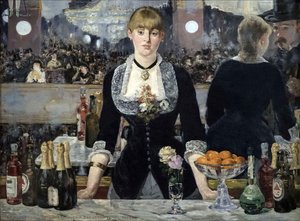
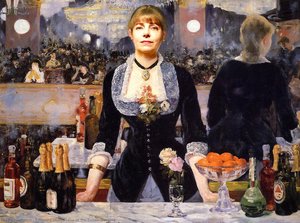
虽然马奈从未完全接受“印象派”的称号,但他对该运动的影响是不可否认的。他们分享了对学院派惯例的拒绝以及捕捉光线和氛围转瞬即逝效果的承诺。他与莫奈、雷诺阿、德加等艺术家一起在印象派独立展览中展出,巩固了他作为前卫阵地的关键人物的地位。马奈的技术逐渐转向更松散的笔触,优先考虑形式的印象而非精确的细节。他对色彩进行了实验,经常使用鲜明的对比来创造戏剧性的效果。除了有争议的裸体画外,马奈还探索了各种各样的主题:肖像——包括对他的妻子苏珊娜和艺术家埃米尔·佐拉的引人注目的描绘;巴黎夜生活的场景,如《浮罗莱斯舞厅》(A Bar at the Folies-Bergère),巧妙地捕捉到了现代城市生活中的疏离感和闹剧;以及亲密的家庭场景。他并非仅仅记录这些主题;他正在质疑它们,挑战社会规范并质疑对美的传统观念。遗产与持久的影响
埃杜瓦·马奈于 1883 年因白喉的不幸去世,中断了一段已经彻底改变艺术史进程的职业生涯。尽管他的名誉在他去世后大大提高,但他对年轻艺术家产生的影响是立即显现的,他们将他视为一位解放者。他打破了障碍,挑战了对主题、技巧和艺术目的的传统观念。《奥林匹亚》中妓女直视观众的目光,以及《草地上的午宴》中裸体女性与穿着男士一同野餐的场景,都颠覆了当时人们对艺术的认知。他大胆的笔触和对现代生活的描绘,为后来的印象派画家开辟了新的道路。- 他对捕捉现代生活的重要性为印象派和后印象派铺平了道路。
- 他对笔触和色彩的创新性运用影响了许多代画家的创作。
- 他愿意面对社会上令人不安的事实迫使观众质疑他们自己的假设。
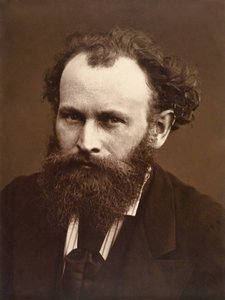
马奈
1832 - 1883 , 法国
艺术家简介
- Artistic Movement Or Style: 现实主义,印象派
- Artists Or Movements Influenced By This Artist:
- 克劳德·莫奈
- 奥古斯特·雷诺阿
- 爱德加·德加
- 印象派
- Artists Who Influenced This Artist:
- 卡拉瓦乔
- 委拉斯开兹
- 库尔贝
- Date Of Birth: 1832年1月23日
- Date Of Death: 1883年
- Full Name: 爱德华·马奈
- Nationality: 法国人
- Notable Artworks:
- Le Déjeuner sur l'herbe
- Olympia
- A Bar at the Folies-Bergère
- Place Of Birth: 巴黎, 法国
相关文章
爱德华·马奈:25幅大师杰作,重塑现代艺术与家居美学
探索爱德华·马奈25幅经典画作,领略印象派大师的艺术魅力!从《草地上的午餐》到《奥林匹亚》,深入了解每件作品背后的故事与技法。OriginalUniqueArt.com提供博物馆级高质量油画复制品,为您的家居增添艺术气息。立即探索完整系列!

Impressionistic Realism's Finest: 10 Masterpieces for Your Home | OriginalUniqueArt
Journey through Impressionistic Realism with 10 iconic masterpieces by Monet, Renoir & Van Gogh. Explore art history, techniques & find museum-quality reproductions for your home at OriginalUniqueArt.com. Discover all masterpieces online!

Impressionism's Masterpieces: 10 Paintings That Defined a Movement | OriginalUniqueArt
Journey through Impressionism's heart with 10 iconic paintings by Monet, Renoir & Degas. Explore light, color & the stories behind these masterpieces. Find museum-quality art reproductions and elevate your home decor on OriginalUniqueArt.com.
Édouard Manet: Pioneering Modernism & Challenging Artistic Conventions
Explore the life & art of Édouard Manet, a pivotal figure bridging Realism and Impressionism. Discover his revolutionary techniques, controversial masterpieces like 'Olympia,' and lasting impact on modern art history.
Romantic Realism's Finest: 10 Masterpieces for Your Home | OriginalUniqueArt
Explore 10 defining masterpieces of Romantic Realism! Discover Courbet, Millet & Daumier's powerful paintings—capturing emotion and social realities. Find museum-quality reproductions for your home at OriginalUniqueArt.com.