
 实景预览
实景预览
 发送
发送 分享
分享
 详情
详情 指南
指南

 下载图片
下载图片
 相似作品
相似作品 X射线
X射线 幻灯片播放
幻灯片播放 统计数据
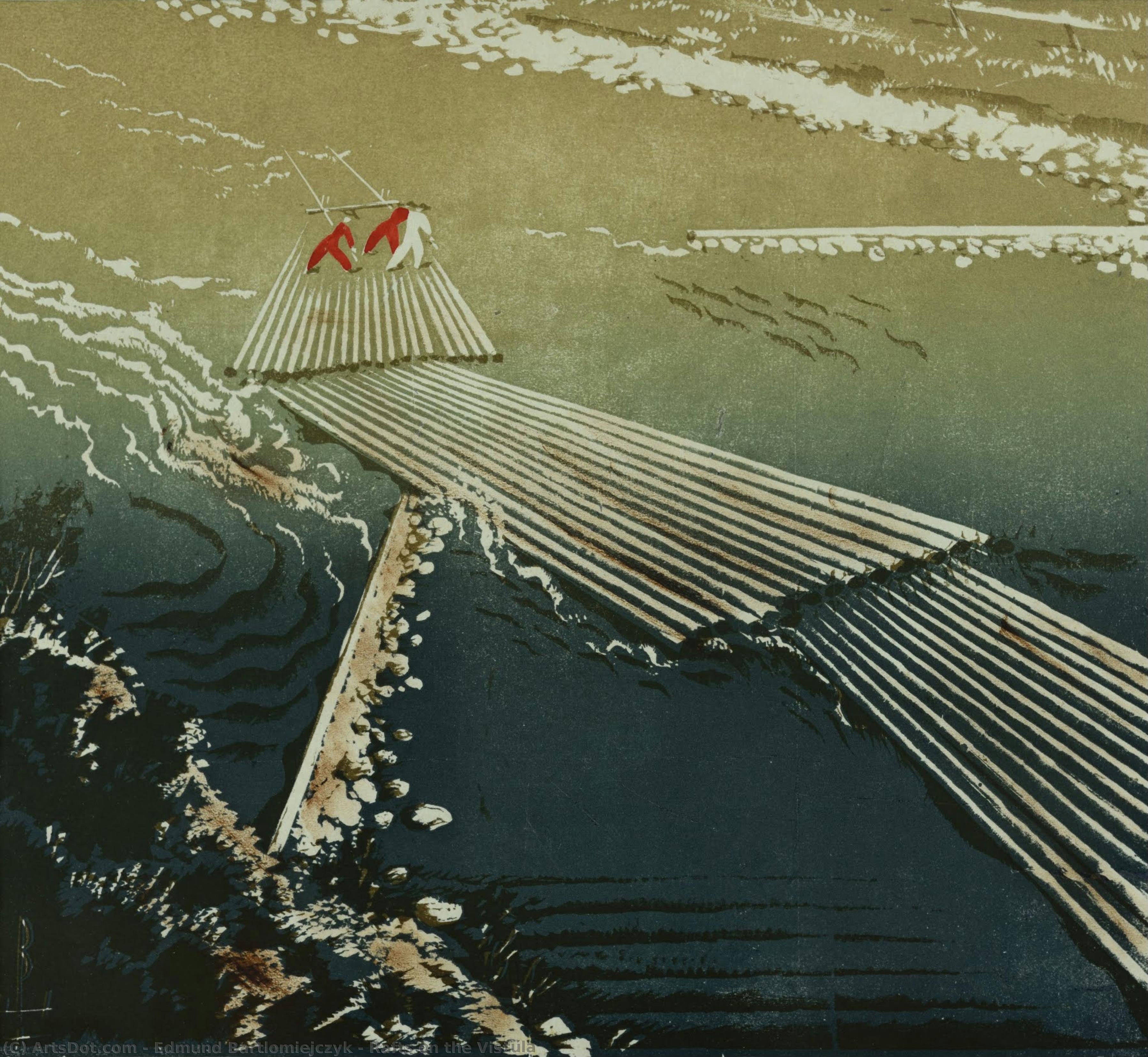
统计数据Rafts on the Vistula


 阅读全文
阅读全文
手工油画复制品
由我们的艺术家按需定制,为您提供您所选尺寸及画框的布面手工油画。 ( 切换至版画销售渠道 切换至数字图像销售渠道)




P118B $10

P118H $10

P118W $10

P438Z $10

P508JH $12

P508YH $12

P805H $10

P805Z $10

P919BZ $10

P919G $10

P919XJ $10

P959ZH $10

P968JZ $12

W106C $8

W218G $10

W218JH $8

W218Y $10

W307PJ $10

W316G $10

W316PJ $8

W316Y $10

W398PJ $8

W4111J $10

W500HY $15

W500JH $15

W692G $12

W849H $8

W940BG $15

W953PJ $8




您可以从与原作比例一致的预设尺寸中进行选择。

您可以输入自定义尺寸,以适配特定的画框或空间。如果所选尺寸与原图比例不符,我们将通过裁剪作品或添加手绘元素来扩展画面。数字样稿将在制作开始前发送给您确认。
请注意,屏幕预览无法准确反映实际的裁剪或扩展效果,只有样稿才能真实呈现最终的构图。
虽然我们提供定制尺寸服务,但为了保留原作比例,建议您从预设列表中选择尺寸。
下单后,OriginalUniqueArt.com 团队将通过电子邮件联系客户获取具体要求,并提供效果预览图


 玻璃选项仅适用于110厘米以下的尺寸。

Rafts on the Vistula
复制品材质
复刻品尺寸说明
-


总计金额
$ 300
A Serene Drift Through Polish History
In the quietude of 1931, Edmund Bartłomiejczyk captured a moment of profound stillness in his evocative masterpiece, Rafts on the Vistula. The painting invites the viewer to step away from the frantic pace of modern existence and drift alongside two figures navigating the gentle currents of Poland's most iconic waterway. There is an undeniable intimacy in this scene; as the raft, constructed from weathered branches and sticks, glides across the glassy surface, we are witness to a shared experience of peace. The composition draws us into a world where the boundary between humanity and nature dissolves, leaving only the rhythmic movement of the river and the soft, golden light of a passing afternoon.
The artist’s technique reveals a deep-seated reverence for the Impressionistic masters. Much like Monet or Renoir, Bartł::omiejczyk utilizes a delicate touch to manipulate light and color, ensuring that the water does not merely appear as a blue surface, but as a living, breathing entity reflecting the sky and the surrounding landscape. The brushwork is purposeful yet fluid, capturing the subtle textures of the wooden raft and the soft, sandy edges of the distant beach. This mastery of atmosphere allows the painting to function not just as a depiction of a place, but as an emotional landscape, evoking a sense of nostalgia and a longing for the simplicity of rural life.
The Soul of the Vistula Landscape
Beyond its aesthetic beauty, Rafts on the Vistula serves as a poignant window into the Polish countryside during the interwar period. Bartłomiejczyk was a painter deeply rooted in the rhythms of everyday life, and here, he elevates a mundane moment of river travel into something poetic and timeless. The symbolism of the raft—a vessel of transition and slow progress—mirrors the contemplative state of the subjects. They are suspended between the shore and the unknown, much like the viewer is suspended in the act of observation. This sense of quietude makes the piece an extraordinary choice for those looking to introduce a sense of calm and historical depth into a curated interior.
For the discerning collector or interior designer, this artwork offers more than mere decoration; it provides a focal point of tranquility. The muted palette and the harmonious balance between the figures and their environment make it a versatile addition to sophisticated spaces, whether placed in a sunlit study or a contemporary living room. Owning a high-quality reproduction of this work means bringing a piece of Poland's artistic soul into one's home—a permanent invitation to pause, breathe, and reflect upon the enduring beauty of the natural world.
艺术家简介
The Luminous Spirit of the Polish Landscape
Edmund Bartłomiejczyk, a master of the ephemeral, possessed a rare ability to translate the fleeting nuances of light into enduring visual poetry. Born in 1885, his artistic journey was deeply shaped by the Impressionistic currents flowing through Europe. Drawing inspiration from the legendary techniques of Claude Monet and Pierre-Auguste Renoir, Bartłomiejczyk sought to capture not just the physical form of the landscape, but the very breath of the atmosphere itself. His work often centered on the serene beauty of river landscapes, where the water becomes a mirror for the sky, reflecting a world caught in a moment of profound stillness.A Tapestry of Everyday Existence
While many of his contemporaries sought grandeur in historical epics, Bartłomiejczyk found his muse in the tangible realities of rural Poland. He turned his gaze toward the rhythmic pulse of daily life, finding sanctity in the ordinary. His canvases are filled with the pastoral rhythms of farmers tending to their ancestral fields, the innocent joy of children playing along sun-drenched riverbanks, and the warmth of families gathered around a hearth. To achieve this, he employed a delicate technique of layering thin washes of pigment, creating luminous surfaces that seemed to glow from within. Through the masterful use of complementary colors and subtle, purposeful brushstrokes, he achieved a textural nuance that brought the textures of weathered wood and sandy shores to life.Legacy and International Resonance
The significance of Bartłomiejczyk’s contribution to Polish art reached far beyond local borders. His talent earned him a place on the international stage during the 1932 Summer Olympics in Berlin, where his painting “Esterka” was showcased among the finest works of Europe. This period marked a pinnacle of recognition for an artist who remained, at his core, a painter of the soul and the soil. Even in masterpieces like “Rafts on the Vistula,” there is a sense of nostalgia—a longing for a simpler, more contemplative era. His legacy remains a vital part of the Polish artistic canon, reminding us of the beauty found in the quiet, steady flow of life and river.
edmund bartlomiejczyk
1885 - 1950 , Poland
快速概览
- Artistic Movement Or Style: Realism
- Artists Or Movements Influenced By This Artist: ['European Painting']
- Artists Who Influenced This Artist: ['Henryk Tanworth Wells']
- Date Of Birth: November 5, 1885
- Date Of Death: September 2, 1950
- Full Name: Edmund Bartłomiejczyk
- Nationality: Polish
- Notable Artworks:
- Esterka
- Rafts on the Vistula
- Place Of Birth: Warsaw, Poland
相关文章

Impressionistic Landscapes: 10 Masterpieces That Changed Art & Decor
Journey into the heart of Impressionism! Explore 10 masterpieces by Monet, Renoir & Degas that revolutionized landscape art. Discover their stories, techniques & find museum-quality reproductions to elevate your home decor on OriginalUniqueArt.com.

印象派风景画的十部巨作:定义艺术与家的和谐之境
探索印象派风景画的十部经典巨作!从莫奈到雷诺阿,揭秘大师们的技法与灵感。OriginalUniqueArt.com为您呈现高清油画复制和精选艺术品,点亮您的家居空间。立即发现更多艺术珍宝!

浪漫主义画派的十部巨作:定义风景画的艺术传奇
探索浪漫主义风景画的巅峰!本文精选十部经典名作,带您领略莫奈、库尔贝等大师的艺术魅力。感受色彩与光影的诗意,重温自然风光的震撼。OriginalUniqueArt.com为您提供博物馆级别的艺术复制品和个性化家居装饰方案。尽在OriginalUniqueArt.com!
哈德逊河画派:十部巨作,定义美国风景画的辉煌
探索哈德逊河画派的十部经典巨作!沉浸于美国风景画的黄金时代,感受艺术家对自然的热爱与精湛技艺。从壮丽的山脉到宁静的河流,领略艺术的魅力。OriginalUniqueArt.com 提供博物馆品质的艺术品复制和个性化家居装饰方案。尽在 OriginalUniqueArt.com!
雷诺阿大师25幅经典之作:光影中的艺术与生活 | OriginalUniqueArt
探索雷诺阿25幅经典之作,感受印象派大师的光影魅力与色彩诗意。从《舞会》到《煎饼磨坊》,OriginalUniqueArt为您呈现艺术背后的故事与技巧。高品质艺术复制品,点亮您的家居空间!立即在OriginalUniqueArt.com探索完整系列。