- 首页

- 帆布打印
- edmund bartlomiejczyk
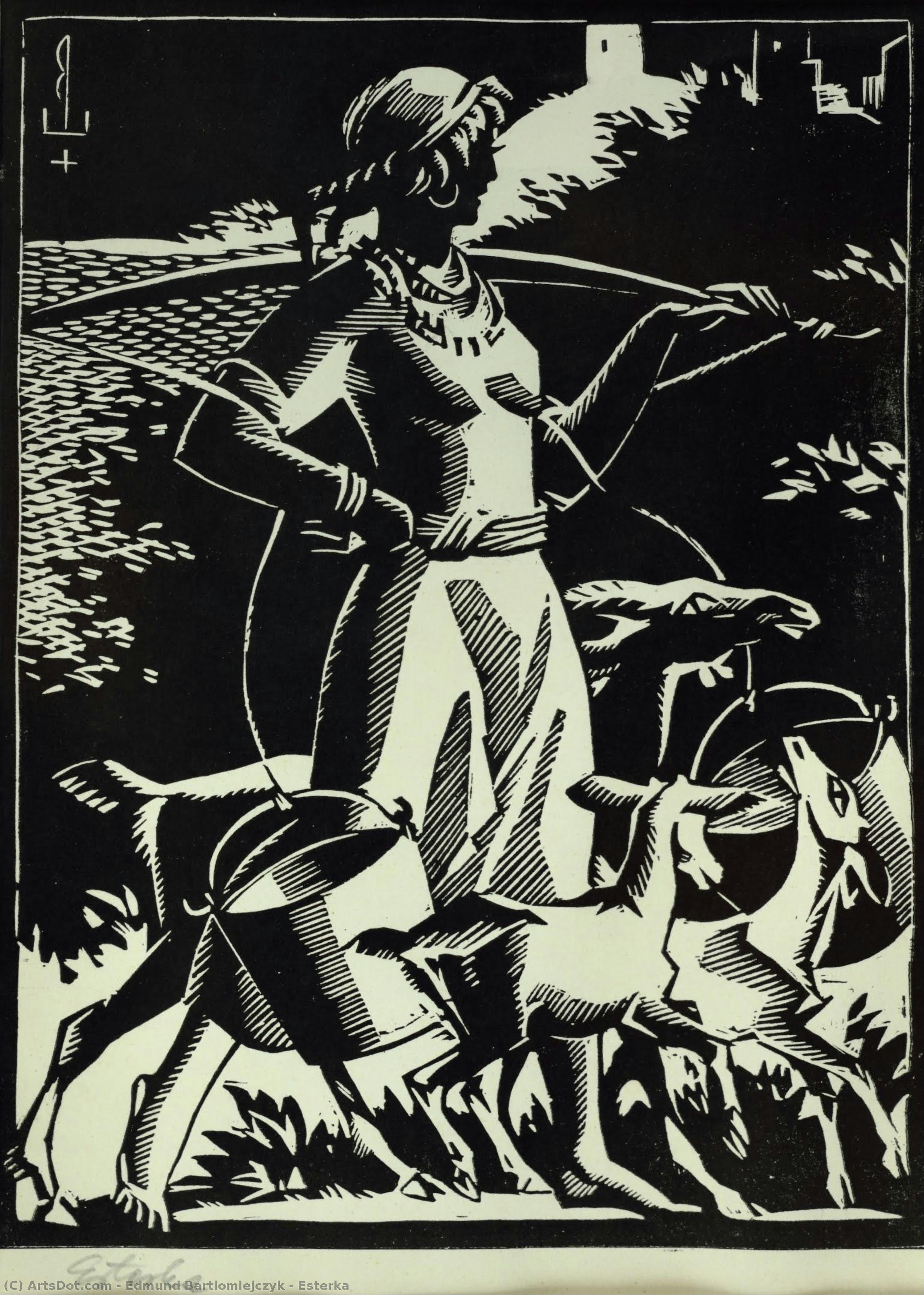
- Esterka
 效果预览
效果预览
 切换至手工绘画版
 分享
分享 分享
分享
 详情
详情

 下载
下载
 相似作品
相似作品 X射线
X射线 幻灯片播放
幻灯片播放Esterka


 展开详情
展开详情




































从与原作比例一致的预设尺寸中进行选择。

您可以输入自定义尺寸,以适配特定的画框或空间。如果您选择的尺寸与原图比例不符,我们将对作品进行裁剪,或通过镜像填充/纯色填充边缘的方式来扩展图像。在开始制作之前,我们会向您发送一份数字效果图供您确认。
请注意,屏幕上的预览并不能反映实际的裁剪或扩展效果。只有效果图才能准确展示最终的构图。
虽然我们提供定制尺寸,但为了保持原图比例,我们建议您从预设列表中选择尺寸。


 玻璃选项仅适用于110厘米以下的尺寸。

Esterka
艺术微喷/版画
复制品尺寸
-


最终总价
$ 80
艺术家简介
Edmund Bartłomiejczyk: A Painter of Everyday Life and River Landscapes
Edmund Bartłomiejczyk (5 November 1885 – 2 September 1950 Warsaw, Poland) was a Polish painter whose distinctive style captured the essence of rural life and particularly the serene beauty of river landscapes. Born in Łódź, Poland, he pursued his artistic ambitions with unwavering dedication throughout his lifetime, leaving behind a legacy of evocative paintings that continue to resonate with viewers today. Bartłomiejczyk’s formative years were marked by exposure to Impressionistic influences—particularly those championed by Claude Monet and Pierre-Auguste Renoir—which instilled in him a fascination for capturing fleeting moments of light and color. This aesthetic sensibility would become a cornerstone of his artistic vision, guiding his approach to portraying scenes from the Polish countryside. He meticulously observed the rhythms of daily life, depicting farmers tending their fields, children playing by the riverbanks, and families gathered around hearth fires—subjects rendered with remarkable sensitivity and detail. His technique involved layering thin washes of pigment onto canvas, creating luminous surfaces that conveyed a palpable sense of atmosphere. Bartłomiejczyk skillfully utilized complementary colors to heighten visual impact and achieved textural nuances through subtle brushstrokes. Unlike many artists of his era who favored grand narratives or idealized representations, Bartłomiejczyk’s focus remained firmly grounded in the tangible realities of rural Poland—a deliberate choice that speaks volumes about his artistic convictions. Bartłomiejczyk gained recognition for his contribution to the art competition at the 1932 Summer Olympics held in Berlin. His painting “Esterka” was displayed alongside works from other artists representing nations across Europe, showcasing Polish artistic talent on an international stage. This participation solidified his reputation as a respected figure within the Polish art community and ensured that his work would be remembered for its honest portrayal of human experience. Beyond the Olympics, Bartłomiejczyk’s oeuvre includes notable pieces like “Rafts on the Vistula” and “Quarrymen of Purbeck, Dorset.” These paintings exemplify his masterful command of color and composition—particularly evident in "Rafts on the Vistula," where he skillfully captures the misty reflections of trees on the surface of the river. His dedication to capturing natural beauty cemented his place as one of Poland’s foremost landscape painters. Bartłomiejczyk's artistic legacy extends beyond individual artworks; it embodies a humanist impulse—a desire to depict ordinary people and places with dignity and compassion. He remains an important artist for understanding Polish art history and the Impressionistic movement's impact on European painting.
edmund bartlomiejczyk
1885 - 1950 , Poland
艺术家简介
- Artistic Movement Or Style: Realism
- Artists Or Movements Influenced By This Artist: ['European Painting']
- Artists Who Influenced This Artist: ['Henryk Tanworth Wells']
- Date Of Birth: November 5, 1885
- Date Of Death: September 2, 1950
- Full Name: Edmund Bartłomiejczyk
- Nationality: Polish
- Notable Artworks:
- Esterka
- Rafts on the Vistula
- Place Of Birth: Warsaw, Poland

