

 实景预览
实景预览
 发送
发送 分享
分享
 详情
详情 指南
指南

 下载图片
下载图片
 相似作品
相似作品 X射线
X射线 幻灯片播放
幻灯片播放 统计数据
统计数据The Chief

 阅读全文
阅读全文
艺术微喷/版画
博物馆级艺术微喷或帆布版画,制作高效,并提供多种饰面选择。 ( 订购此收藏品的纯手工复刻画作 切换至数字图像销售渠道)




































您可以从与原作比例一致的预设尺寸中进行选择。

您可以输入自定义尺寸,以适配特定的画框或空间。如果您选择的尺寸与原图比例不符,我们将对作品进行裁剪,或通过镜像填充/纯色填充边缘的方式来扩展图像。在开始制作之前,我们会向您发送一份数字效果图供您确认。
请注意,屏幕上的预览并不能反映实际的裁剪或扩展效果。只有效果图才能准确展示最终的构图。
虽然我们提供定制尺寸,但为了保持原图比例,我们建议您从预设列表中选择尺寸。


 玻璃选项仅适用于110厘米以下的尺寸。

The Chief
艺术微喷/版画
复刻品尺寸说明
-


总计金额
$ 80
A Glimpse into Native American Spirituality: "The Chief" by Eanger Irving Couse
- Artist: Eanger Irving Couse (1866-1936)
- Date: 1909
- Medium: Oil on Canvas
- Style: American Impressionism
“The Chief” is a captivating portrait by Eanger Irving Couse, a prominent figure in the Taos Society of Artists. This artwork offers a poignant glimpse into Native American spirituality and leadership within its cultural context. The painting depicts a dignified chief standing on slightly elevated ground, his posture suggesting reverence or introspection. His hands are gently placed over his chest, conveying a sense of quiet contemplation or prayer. Behind him unfolds a sprawling landscape—tipis dot the horizon, horses graze peacefully, and figures gather around a campfire, creating a scene of community and daily life within the American Southwest.
Composition, Color & Technique: An Impressionistic Vision
Couse masterfully employs composition to draw the viewer's eye. The chief’s figure establishes a strong vertical axis, guiding the gaze upwards while the expansive landscape behind him creates depth and context. The placement of tipis and figures in the background reinforces the sense of community. The color palette is dominated by earthy tones—warm reds and browns for the chief’s clothing and skin contrast with greens and yellows in the landscape. Accents of blue and white in the sky add visual interest and a touch of atmospheric perspective.
Couse's technique aligns with American Impressionism, characterized by loose brushstrokes and an emphasis on capturing fleeting moments. There are no sharp lines; instead, colors blend seamlessly to create atmosphere. This blending softens contours and contributes to the overall sense of tranquility. The lighting is diffused and soft, illuminating the chief’s face and upper body without harsh shadows, further enhancing the contemplative mood.
Symbolism & Historical Context: Respectful Representation
“The Chief” transcends a simple portrait; it explores themes of leadership, spirituality, and connection to nature. The chief's posture is symbolic of reverence and introspection, emphasizing his importance as a leader within his community. The surrounding landscape evokes a sense of vastness and freedom, reflecting the traditional Native American relationship with the natural world.
Historically, Couse’s work emerged during a period when attitudes towards Native Americans were evolving in the United States. While earlier depictions often portrayed them as savage or primitive, artists like Couse sought to capture their dignity and cultural richness. However, it's important to acknowledge that even well-intentioned representations can be influenced by prevailing societal perspectives. Couse’s work reflects a desire to document and celebrate Native American culture at a time when it was rapidly changing due to westward expansion and assimilation policies.
Emotional Impact & Lasting Legacy
“The Chief” evokes a sense of quiet dignity, reverence, and connection to the land. The painting’s soft colors, diffused lighting, and loose brushstrokes create an atmosphere of tranquility and contemplation. It invites viewers to reflect on themes of leadership, spirituality, and the importance of preserving cultural heritage.
As a founding member and first president of the Taos Society of Artists, Eanger Irving Couse played a significant role in shaping American art history. “The Chief” stands as a testament to his skill as an artist and his commitment to portraying Native American life with respect and sensitivity. Owning a reproduction of this iconic artwork allows you to bring a piece of American Impressionism and a poignant cultural narrative into your home or office.
艺术家简介
一座连接世界的桥梁:恩杰·欧文·考斯的生活与艺术
恩杰·欧文·考斯于1866年出生在密歇根州萨吉诺,那是一个工业蓬勃发展的时代背景下。他是一位注定成为美国艺术领域关键人物的艺术家。他的故事并不仅仅是艺术上的发展历程;它是一个引人入胜的文化联结叙事,将欧洲学院派绘画严谨的传统,与对美洲原住民生活和西南部迷人景观深刻而尊重的描绘完美地结合在一起。从他年幼的岁月起,考斯就对居住在他童年家附近土地上的奇佩瓦部落怀有一种天生的好奇心——这份吸引力逐渐发展成了一生挚爱,致力于以敏感和尊严来描绘他们的存在。这并非简单的观察;它播下了深切同理心的种子,从根本上塑造了他的艺术征程。他十六岁时离开了传统的学校教育,内心被对艺术坚定不移的承诺所驱使,最初在芝加哥艺术学院学习,随后在纽约国立设计学院深造,之后又踏上了为期十年的巴黎流浪之旅。从巴黎沙龙到塔奥斯的诱惑
巴黎对他来说是具有变革性的。他在保罗·杜兰德·布格罗(William-Adolphe Bouguereau)的指导下于国立美术学院和朱利安学院学习,使他掌握了古典技艺的精湛——精确的素描、微妙的塑形以及精致的构图感。他磨练了自己的技巧来捕捉诺曼底海岸的光线与氛围,然而即使在这些欧洲影响之中,对美国西部的向往依然强烈。访问其岳父在俄勒冈的一个牧场,激发了他对美洲原住民题材的兴趣,最终促成了他在1892年于巴黎沙龙展出的作品《俘虏》(The Captive)。这件重要的早期作品描绘了惠特曼大屠杀的场景,由他的妻子弗吉尼亚和一位当地的克利基塔人协助完成,它同时展示了他的技术功底和日益增长的主题关注点。返回美国后,考斯在纽约进行工作室创作的同时,也进行了越来越频繁的西部旅行,最终将他带到了1902年的新墨西哥州塔奥斯。这标志着一个转折点;他对该地区独特的光线、景观和文化深深着迷,并在那里建立了一个夏居地,这个地方最终发展成了他的永久居所。他并非只是来游玩的;而是全身心地沉浸其中,渴望理解并再现一种远离东海岸喧嚣都市的生活方式。塔奥斯之魂:一个定义性的艺术愿景
塔奥斯对考斯而言,早已超越了一个单纯的地点——它更像是一次文化上的彻底沉浸。他致力于研究和描绘塔奥斯印第安人的生活,并非将他们视为异域化的形象,而是视作拥有内在尊严与优雅的个体。与一些专注于戏剧性叙事或浪漫化描绘的同代人不同,考斯力求捕捉日常生活中那些宁静的瞬间——那是沉思、手工艺和家庭联结的场景。他的风格逐渐演变成一种独特的融合体:既有学院派的严谨精确,又具有对光影色彩的富有感染力的运用,创作出的画作在技术上无可挑剔,情感上也极具共鸣。他偏爱温暖的大地色调,常常描绘他的主体沐浴在壁炉柔和的光芒或落日金色的余晖之中。他经常使用两位主要的模特——本·卢詹(Ben Lujan)和杰瑞·米拉布尔(Jerry Mirable),这使他能够在作品中传达出一种连续性和亲密感。这份奉献精神促使他在1915年成为塔奥斯艺术家协会的创始成员和首任主席,巩固了塔奥斯作为重要艺术中心的声誉。他的画作并非简单的再现;它们是饱含尊重与理解的诠释——这证明了他描绘美洲原住民生活真实性的承诺。认可、遗产与持久的影响
考斯的才华并未被忽视。在他的职业生涯中,他获得了无数奖项,包括国立设计学院颁发的奥尔特曼奖(Altman Prize)、萨尔马贡迪俱乐部颁发的伊西多奖(Isidor Prize)以及宾夕法尼亚美术学院颁发的林肯肖奖(Lippincott Prize)。值得一提的是,他在1914年至1936年间获得了圣塔菲铁路的委托,为他们的广告宣传活动创作画作——这证明了他捕捉西南地区魅力的能力,使其能被更广泛的观众所欣赏。《塔奥斯部落的麋鹿足》(Elk-foot of the Taos Tribe)被普遍认为是他的杰作,最终被购入美国国家艺术收藏馆,巩固了他在美国艺术史典范中的地位。除了这些荣誉之外,考斯持久的遗产在于他对塑造美洲原住民生活认知和为塔奥斯协会建立独特艺术身份的贡献。他提供了一个视角,区别于当时流行的刻板印象,强调和平共处以及普韦布洛文化固有的美丽。他的作品有力地提醒着我们,在艺术中文化敏感性和尊重性描绘的重要性。 他故居和工作室——现为恩杰·欧文·考斯故居与工作室-约瑟夫·亨利·夏普工作室(Eanger Irving Couse House and Studio–Joseph Henry Sharp Studios),已被列入国家历史名录——确保了后代人能够与他的艺术愿景建立联系,并欣赏他对美国艺术史的深远影响。其作品的关键特征
- 学院派的精确性:考斯在欧洲学院训练的基础体现在他对人物和风景的细致入微的细节描绘和写实表现上。
- 光影的感染力运用:他巧妙地运用光线与阴影来营造氛围和情感深度,常常描绘出沐浴在温暖金色色调中的场景。
- 尊重的再现:考斯对美洲原住民的描绘以其尊严和敏感性为特征,避免了刻板或浪漫化的描绘。
- 关注日常生活:他更喜欢捕捉日常生存的宁静瞬间,而非戏剧性的叙事,让人得以窥见普韦布洛文化的生活节奏与传统。
- 有限的调色板:考斯偏爱温暖的大地色系,这种色彩反映了西南景观的本色,营造出和谐与宁静的感觉。
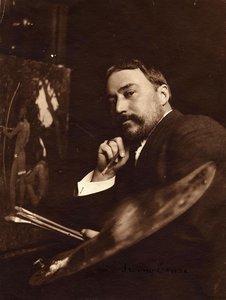
英格·欧文·考斯
1866 - 1936 , 美国
快速概览
- Artistic Movement Or Style: 印象派
- Artists Or Movements Influenced By This Artist: ['塔奥斯艺术家协会']
- Artists Who Influenced This Artist:
- 布格罗
- 夏普
- Date Of Birth: 1866年9月3日
- Date Of Death: 1936年
- Full Name: 英格·欧文·考斯
- Nationality: 美国
- Notable Artworks:
- 白树
- 酋长
- 塔奥斯部落的麋鹿足迹
- Place Of Birth: 美国,萨吉诺
相关文章
Eanger Irving Couse: Bridging Tradition & Modernity in American Southwest Art
Explore the life & art of Eanger Irving Couse, a pivotal figure in Southwestern Impressionism and founder of the Taos Society of Artists. Discover his captivating paintings & legacy.
James Otto Lewis: Navigating American Modernism Through Regional Identity & Stylistic Innovation
Explore the captivating portraits of James Otto Lewis, a pivotal figure bridging 19th-century realism & American Modernism. Discover his groundbreaking work documenting Native American culture and regional identity.

American Realism's Defining Works: 10 Masterpieces for Your Home
Explore 10 defining American Realism masterpieces – Hopper, Homer & more. Discover the stories behind these iconic paintings and bring timeless art to your home with OriginalUniqueArt's museum-quality reproductions. Explore the full collection online.

Grant Wood & American Regionalism: Identity, Myth & the Rural Landscape
Explore the world of Grant Wood & American Regionalism with OriginalUniqueArt. Discover the symbolism behind 'American Gothic', recurring themes, and the movement's lasting impact on art history. High-quality reproductions available.
Joseph Henry Sharp: Capturing the Spirit of the Plains – Life, Art & Legacy
Explore the life & art of Joseph Henry Sharp, a founding member of the Taos Society of Artists renowned for his realistic depictions of Native American culture and Western landscapes. Discover his legacy with OriginalUniqueArt.