

 实景预览
实景预览
 分享
分享 分享
分享
 详情
详情 指南
指南

 下载作品
下载作品
 相似作品
相似作品 X射线
X射线 幻灯片播放
幻灯片播放 Q&A
Q&A 统计数据
统计数据Thomson No. 3 (Sunset Bay)
 Acrylic On Canvas
- WallArt
- Contemporary Abstract
 79.0 x 58.0 cm
 温哥华美术馆
 展开全文
展开全文
艺术微喷/版画
博物馆级艺术微喷或帆布版画,制作高效,并提供多种饰面选择。 ( 订购纯手工绘制画作 切换至数字图像销售渠道)




P118B ¥10

P118H ¥10

P118W ¥10

P438Z ¥10

P508JH ¥12

P508YH ¥12

P805H ¥10

P805Z ¥10

P919BZ ¥10

P919G ¥10

P919XJ ¥10

P959ZH ¥10

P968JZ ¥12

W106C ¥8

W218G ¥10

W218JH ¥8

W218Y ¥10

W307PJ ¥10

W316G ¥10

W316PJ ¥8

W316Y ¥10

W398PJ ¥8

W4111J ¥10

W500HY ¥15

W500JH ¥15

W692G ¥12

W849H ¥8

W940BG ¥15

W953PJ ¥8




您可以从与原作比例一致的预设尺寸中进行选择。

请输入您所需的宽度和高度,以适配您的画框或墙面。由于印刷品只能进行裁剪,无法超出原图尺寸,因此若比例不一致,画面的一部分将会被裁切。在正式印刷之前,我们会为您发送一份数字效果图供您确认。本页面显示的图片并非最终裁剪后的效果——只有效果图才能展示真实的裁剪情况。


 玻璃选项仅适用于110厘米以下的尺寸。

Thomson No. 3 (Sunset Bay)
艺术微喷/版画
复刻品尺寸
-


最终结算价
¥ 537
The Genesis of a Fragmented Vision
Douglas Coupland’s “Thomson No. 3 (Sunset Bay)” isn't merely a depiction of a sunset over rolling hills; it’s an interrogation, a deliberate dismantling and reimagining of the very notion of ‘Canadianness.’ Born from a digital alchemy – a process of meticulously reducing iconic landscapes to their most fundamental geometric components – this artwork invites us to consider what remains when the romanticism of nature is stripped bare. Coupland began his exploration with degraded digital images of masterpieces by Emily Carr, the Group of Seven, and Tom Thomson, artists deeply intertwined with the formation of Canada’s visual identity. He then employed a unique, almost architectural language, breaking down these familiar vistas into a series of angular planes and bold blocks of color, creating an effect both strikingly modern and profoundly nostalgic.
The work's foundation lies in the legacy of Tom Thomson, a tragically short-lived artist whose evocative depictions of Ontario’s wilderness captured the spirit of a nascent nation. Coupland’s choice to reference Thomson is particularly potent; the painter’s romanticized portrayal of nature – his emphasis on light, color, and the sublime beauty of the Canadian landscape – provides a crucial counterpoint to the geometric austerity of Coupland's approach. Coupland isn’t simply replicating these scenes; he’s using them as a springboard for a commentary on how we perceive and represent our national identity in the 21st century.
Deconstructing the Sublime: A Geometric Language
Technically, “Thomson No. 3 (Sunset Bay)” is a masterful example of digital painting, executed with an almost clinical precision. Coupland’s process involved manipulating these images through sophisticated software, reducing them to their essential shapes and colors. The result is a flattened, abstracted landscape where the familiar forms of hills and sky are rendered as interlocking triangles and polygons. This deliberate simplification isn't intended to diminish the beauty of the original scenes; rather, it forces us to reconsider how we experience them. The absence of traditional perspective creates a sense of detachment, inviting the viewer to actively engage with the composition and interpret its meaning.
Coupland’s use of color is equally significant. The palette – dominated by warm oranges, yellows, and reds – evokes the drama of a sunset, yet these colors are presented in a deliberately flat, almost schematic manner. This contrasts sharply with the nuanced gradations of light and shadow found in traditional landscape paintings. The effect is both visually arresting and subtly unsettling, suggesting that even our most cherished memories and experiences can be reduced to their basic components.
Symbolism and the Shifting Landscape of Identity
Beyond its purely formal qualities, “Thomson No. 3 (Sunset Bay)” carries a potent symbolic weight. By referencing both Tom Thomson and the Group of Seven – two pivotal figures in Canadian art history – Coupland raises questions about how we define ‘Canadianness’ today. The artwork suggests that this identity is no longer solely rooted in a romanticized connection with nature, but rather shaped by contemporary tools and perspectives. The geometric abstraction can be interpreted as a metaphor for the fragmented and increasingly mediated reality of modern life.
Furthermore, Coupland's choice to utilize degraded digital images adds another layer of meaning. These aren’t pristine reproductions; they are remnants of a bygone era, hinting at the ephemeral nature of memory and representation. The artwork becomes a meditation on how our understanding of the past is constantly being reshaped by technology and cultural shifts. The title itself – “Thomson No. 3 (Sunset Bay)” – subtly underscores this process of deconstruction and reinterpretation.
A Contemporary Masterpiece: Reproduction and Reflection
“Thomson No. 3 (Sunset Bay)” is a compelling work that transcends the boundaries between art history, digital technology, and cultural commentary. Its striking visual impact, combined with its layered symbolism, makes it a significant addition to Coupland’s body of work. A high-quality reproduction captures much of the original's power, offering an accessible way to engage with this thought-provoking piece. Consider framing this artwork in a contemporary setting – its bold geometric forms will complement a range of interior design styles, sparking conversation and inviting contemplation about the nature of Canadian identity.
常见问题与解答
"Thomson No. 3 (Sunset Bay)" 是如何平衡明暗对比的?
道格拉斯·库普兰 的《Thomson No. 3 (Sunset Bay)》 的记录数值为:亮度 bright,亮度感 Gentle Luminance。
"Thomson No. 3 (Sunset Bay)" 的作者是谁?
"Thomson No. 3 (Sunset Bay)" 由 道格拉斯·库普兰 创作。本页面的信息旨在介绍 道格拉斯·库普兰 的原作。
在“Thomson No. 3 (Sunset Bay)”中,融合了怎样的心境与情感?
《道格拉斯·库普兰 的《Thomson No. 3 (Sunset Bay)》》所传达的意境为Calm,其情感基调为Tranquil。
艺术家简介
当代文化的绘图师:道格拉斯·库普兰德的生命与艺术
在20世纪90年代初,道格拉斯·库普兰德(Douglas Coupland)悄然出现在文化版图中。他不仅仅是一位小说家,更是一位时代的诊断者。1961年12月30日,他出生于德国巴登-索林根的一个加拿大军事基地,早年的成长经历伴随着不断的迁徙,最终定居于加拿大温哥华——这座城市深刻地塑造了他的艺术感官。这种早期的漂泊体验赋予了他敏锐的观察力,使其能够捕捉现代生活中细微的变迁与焦虑。尽管最初在艾米丽卡尔艺术设计学院学习雕塑,但库普术德最终发现,他的天职并非塑造物理形态,而是通过文字,以及后来那令人着迷的视觉艺术与数字技术的融合,去阐述当代生存中那些无形的肌理。他不仅仅是在反映文化,他更是在为文化命名,为那一代在飞速发展的世界中漂泊无依的人们,发出了那些难以言喻的情感之声。从“X世代”到视觉评论
1991年,随着《X世代:加速文化的故事》(Generation X: Tales for an Accelerated Culture)的出版,库普兰德迎来了他的突破时刻。这部小说不仅是文学上的成功,更是一场文化现象,它创造了一个瞬间引起全球共鸣的术语,触动了数百万在后工业社会阴影下挣扎于身份与意义的人们。“麦当劳式工作”(McJob)等词汇也随之进入了词典,成为了20世纪后期工作不稳定性与疏离感的代名词。然而,库普兰德的野心远不止于为一代人贴上标签。他致力于探索一个被媒体、消费主义和技术变革所充斥的世界的心理图景。这种探索并未止步于文学,他凭借着通过不同媒介表达思想的渴望,无缝地过渡到了视觉艺术领域。他的艺术实践极其多元,涵盖了绘画、雕塑、摄影与设计——所有这些都统一在一条一致的主题线索之下:对现代生活的审视。他创作了13部小说、两部短篇小说集、七本非虚构著作以及大量的影视剧本,展现了其丰沛的创造力。二维码的语言与丧失的重量
库普兰德的视觉艺术以抽象、流行文化引用与技术创新的独特融合为特征。最引人注目的或许是他那将二维码融入绘画的系列作品。这些二维码并非仅仅是装饰元素,它们是通往隐藏意义层级的门户,邀请观众通过智能手机与艺术品进行主动互动。扫描这些代码会揭示简短的评论,为视觉体验增添了另一个维度——这正是库风兰德对艺术与技术交汇点痴迷的明证。除了这种创新技术,他的作品还经常探讨关于丧失与死亡的深刻主题。例如,《亡校毕业生系列》(Dead Grads Series)是对那些不幸夭折的年轻生命的凄美致敬,每幅画作都带有“枪支”、“车祸”和“药物过量”等标题——这些都是对生命脆弱性以及悲痛持久影响的冷峻提醒。银色布吉曼》(Silver Boogeyman)是一件震撼人心的作品,当通过智能手机屏幕观看时,它会显现出奥萨马·本·拉登的面孔,这体现了他激发思考和挑战认知的能力,迫使观众去面对后9/11时代那些令人不安的真相。雕塑宣言与国家认同
库普兰德的艺术视野从二维画布延伸到了雕塑领域。冰风暴》(The Ice Storm)是一座宏伟的钢结构作品,它作为对加拿大身份与脆弱性的有力反思而存在。雕塑的形式既唤起了力量感,又流露出脆弱感,映射出这个国家历史的复杂性及其与自然世界的关系。他的混合媒介拼贴画,如《上帝》(God),展示了他对图层技术和平面设计技能的精湛掌握,通过融入“吉姆少校”等象征性元素和几何形状的“D”字母,创造出视觉冲击力极强的构图,引导观众进行多重解读。这些作品并非单纯的美学对象,它们是智力谜题,要求观众进行主动参与。他的作品曾在温哥华美术馆和麦克米伦加拿大艺术收藏馆等知名机构展出,巩固了他作为当代艺术重要人物的地位。观察与创新的遗产
道格拉斯·库普兰德对文学和视觉艺术的贡献为他赢得了广泛的认可,包括被授予加拿大勋章官衔以及成为不列颠哥伦比亚省勋章成员。他始终是加拿大艺术与文学界的重要声音,以其深刻的洞察力、创新的艺术表达以及应对复杂社会文化问题的勇气而闻名。他的作品持续在全世界观众中产生共鸣,引发了关于当代文化、技术和人类境况的对话。库普兰德不仅仅是一位艺术家;他是一位文化的绘图师,以精准与同理心并存的方式,绘制着现代生活不断变迁的地貌。他在我们对自我及周围世界的理解中留下了不可磨灭的印记,确保了其作为加拿大最重要的当代艺术家之一的历史地位。- 核心主题:X世代、数字文化、技术、丧失、身份、消费主义、加拿大认同。
- 艺术影响:波普艺术、极简主义、构成主义、日本商业科学、当代文学。

道格拉斯·库普兰
1961 - , 加拿大
艺术家简介
- Artistic Movement Or Style: 波普艺术, 数字文化
- Date Of Birth: 1961年12月30日
- Full Name: 道格拉斯·库普兰
- Nationality: 加拿大
- Notable Artworks:
- 上帝
- 冰风暴
- 汤姆森5号
- 银色小恶魔
- Place Of Birth: 加拿大温哥华
相关文章

Kandinsky's Masterpieces: 25 Paintings That Define Abstract Art | OriginalUniqueArt
Journey through Wassily Kandinsky's 25 most iconic abstract paintings. Explore his revolutionary use of color, form & spiritual expressionism. Find museum-quality Kandinsky reproductions and elevate your home decor with OriginalUniqueArt.com. Discover all masterpieces on OriginalUniqueArt.com!

Neo-Abstract Art: The High-Impact Evolution of Modern Visual Energy and Geometric Sophistication
Discover the power of Neo-Abstract art. Explore how bold geometric forms and high-impact visual energy are redefining modern design. Learn to curate sophisticated, high-energy spaces with the latest trends in contemporary abstraction and structural color.

Beyond Form & Color: Geometric Abstraction's Evolution in 20th/21st Century Art
Explore the evolution of geometric abstraction from Cubism to contemporary art. Discover key artists like Malevich & Mondrian, investment insights, and expert collecting advice at OriginalUniqueArt.
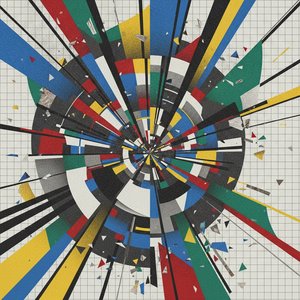
Beyond the Lines: The High-Impact Trend Forecast of Geometric Abstraction
Discover the high-impact world of Geometric Abstraction. From Cubist roots to modern urban trends, explore how bold shapes and colors redefine contemporary design. Elevate your space with expert art insights and custom-made abstract masterpieces.

几何抽象艺术十大杰作:定义现代家居装饰的经典之作
探索几何抽象艺术的十大杰作!康定斯基、蒙德里安等大师作品,色彩构成与非具象之美。OriginalUniqueArt.com提供博物馆级艺术复制品,为您的家居带来现代艺术灵感。立即在线探索完整系列!