
 实景预览
实景预览
 分享
分享 分享
分享
 详情
详情 指南
指南

 下载作品
下载作品
 相似作品
相似作品 X射线
X射线 幻灯片播放
幻灯片播放 问答
问答 统计数据
统计数据Self Portrait

- 46.0 x 37.0 cm


 展开全文
展开全文
艺术微喷/版画
博物馆级艺术微喷或帆布版画,制作高效,并提供多种饰面选择。 ( 订购纯手工绘制画作 切换至数字图像销售渠道)




































您可以从与原作比例一致的预设尺寸中进行选择。

请输入您所需的宽度和高度,以适配您的画框或墙面。由于印刷品只能进行裁剪,无法超出原图尺寸,因此若比例不一致,画面的一部分将会被裁切。在正式印刷之前,我们会为您发送一份数字效果图供您确认。本页面显示的图片并非最终裁剪后的效果——只有效果图才能展示真实的裁剪情况。


 玻璃选项仅适用于110厘米以下的尺寸。

Self Portrait
艺术微喷/版画
复刻品尺寸
-


最终结算价
¥ 543
艺术家简介
A Life Painted in Northumberland Light: The World of Dorothy W. Moore
Dorothy W. Moore, born in 1897 and passing in 1973, remains a quietly compelling figure within the landscape of British art. While not a household name, her paintings offer a poignant glimpse into early 20th-century life, imbued with a delicate sensitivity to place and atmosphere. Her work is particularly notable for its evocative depictions of Northumberland, a region that clearly held a deep resonance for the artist. Moore’s artistic journey unfolded against a backdrop of significant social change, yet her focus remained steadfastly on capturing the beauty of everyday scenes – portraits, still lifes, and most powerfully, the rolling hills and coastal vistas of northern England. She wasn't merely documenting locations; she was translating feeling into pigment, offering viewers an intimate connection to the spirit of a place.Early Life and Artistic Development
Details surrounding Moore’s formal training remain somewhat elusive, but her paintings suggest a solid grounding in traditional techniques. The influence of Impressionism is subtly present in her handling of light and color, though she never fully embraced its radical departures from realism. Instead, Moore developed a distinctive style characterized by soft brushwork, muted palettes, and a keen eye for detail. Her early works often featured portraits – likely commissioned pieces – demonstrating an ability to capture the likeness and character of her sitters with quiet dignity. However, it was her move towards landscape painting that truly defined her artistic voice. Northumberland, with its dramatic skies, rugged coastline, and historic towns like Berwick-upon-Tweed, became a constant source of inspiration. The paintings from this period reveal a growing confidence in her ability to convey mood and atmosphere through the skillful manipulation of tone and texture.Northumberland as Muse: A Region Captured
Moore’s connection to Northumberland is central to understanding her work. She wasn't simply painting picturesque scenes for their aesthetic appeal; she was deeply invested in portraying the region’s unique character. Paintings like “Berwick upon Tweed, Old Bridge from Tweedmouth Dock” showcase this commitment. The bridge itself isn’t presented as a grand architectural statement but rather as an integral part of the landscape, interwoven with the daily life of the port town. Her depictions of the countryside are similarly nuanced, capturing the subtle shifts in light and weather that define the northern climate. The artist's ability to evoke a sense of place is remarkable, transporting viewers to the windswept hills and quiet coastal paths of Northumberland. Beyond the physical landscape, Moore also documented scenes of everyday life within the region, offering glimpses into the lives of its inhabitants.Beyond Landscapes: Portraits and Wartime Reflections
While best known for her landscapes, Moore’s oeuvre extends beyond this genre. Her portraits reveal a sensitivity to human character, often depicting subjects with a quiet dignity and understated elegance. The painting “Miss Marie E. Moore” is a particularly striking example, showcasing the artist's skill in capturing both likeness and personality. The outbreak of World War I profoundly impacted British society, and Moore’s work reflects this upheaval. "Miss Moore in British Red Cross Voluntary Aid Detachment Uniform" provides a poignant record of wartime service, depicting a woman engaged in vital support roles. This painting is not merely a portrait but a testament to the resilience and dedication of women during a time of national crisis. It’s a subtle yet powerful reminder of the sacrifices made by ordinary people during extraordinary times.Legacy and Historical Significance
Dorothy W. Moore's work, while perhaps not widely celebrated during her lifetime, offers a valuable contribution to our understanding of British art in the early 20th century. Her paintings provide a compelling glimpse into a specific time and place – Northumberland in the first half of the 20th century – capturing its beauty, character, and the lives of its inhabitants with quiet dignity and sensitivity.- Her dedication to portraying everyday scenes offers a refreshing alternative to more grandiose artistic statements.
- Moore’s skillful handling of light and color creates an evocative atmosphere that draws viewers into her world.
- The paintings serve as important historical documents, capturing the changing social landscape of early 20th-century Britain.

Dorothy W Moore
1897 - 1973
艺术家简介
- Artistic Movement Or Style: Impressionism influence, realism
- Full Name: Dorothy W. Moore
- Nationality: British
- Notable Artworks:
- Miss Marie E. Moore
- Berwick upon Tweed, Old Bridge
- Miss Moore in British Red Cross Uniform
- Date Of Birth: 1897
- Date Of Death: 1973
相关文章

25 Must-See Masterpieces at the Detroit Institute of Arts
Explore 25 iconic DIA masterpieces, from Van Gogh to African art. Discover museum-quality treasures on OriginalUniqueArt.com.

25 Must-See Masterpieces at the Detroit Institute of Arts
Journey through the Detroit Institute of Arts with our curated guide to 25 iconic masterpieces. From Van Gogh to Monet, explore the stories behind these timeless works and find museum-quality art reproductions for your space. Discover all masterpieces on OriginalUniqueArt.com.

The Echo of Self: Reflectivity as a Core Theme in Art History & Contemporary Practice
Explore the rich history of self-representation in art, from Renaissance masters to modern innovators. Discover how artists use portraiture to reveal identity, emotion & the depths of the human psyche. Expert insights for collectors.
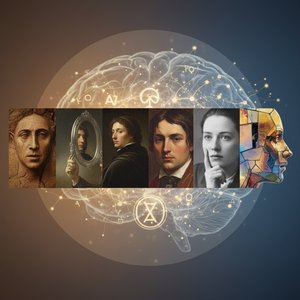
Reflecting the Self: A History of Portraiture & Psychological Insight
Explore the fascinating history of self-portraiture from Renaissance masters like Dürer & Rembrandt to modern interpretations. Discover the psychological insights and artistic techniques behind these iconic works. Expert analysis for art enthusiasts.

25 Must-See Masterpieces at the Detroit Institute of Arts
Journey through the Detroit Institute of Arts with our curated guide to 25 iconic masterpieces. From Van Gogh to Monet, explore the stories behind these timeless works and find museum-quality art reproductions for your decor. Discover all masterpieces on OriginalUniqueArt.com.