

 发送
发送 分享
分享
 详情
详情 指南
指南

 下载图片
下载图片
 相似作品
相似作品 幻灯片播放
幻灯片播放 统计数据
统计数据Umbrella vault


 阅读全文
阅读全文
艺术微喷/版画
博物馆级艺术微喷或帆布版画,制作高效,并提供多种饰面选择。 ( 订购此收藏品的纯手工复刻画作 切换至数字图像销售渠道)




































您可以从与原作比例一致的预设尺寸中进行选择。

请输入您所需的宽度和高度,以适配您的画框或墙面。由于印刷品只能进行裁剪,无法超出原图尺寸,因此若比例不一致,画面的一部分将会被裁切。在正式印刷之前,我们会为您发送一份数字效果图供您确认。本页面显示的图片并非最终裁剪后的效果——只有效果图才能展示真实的裁剪情况。


 玻璃选项仅适用于110厘米以下的尺寸。

Umbrella vault
艺术微喷/版画
复刻品尺寸说明
-


总计金额
¥ 538
A Celestial Canopy: The Architectural Poetry of the Umbrella Vault
To gaze upward into the Umbrella Vault is to experience a moment of profound transcendence, where the heavy stone of earthly architecture dissolves into a rhythmic dance of light and geometry. Created by the legendary Donato Bramante around 1493, this breathtaking architectural marvel serves as more than just a ceiling; it is a sculpted sky. The composition is defined by a mesmerizing radial symmetry, centered around a luminous circular opening that acts as a celestial eye, inviting the heavens to descend into the sacred space. As light streams through this aperture, it illuminates a complex tapestry of concentric circles and oval recesses, each meticulously detailed with stylized figures that seem to float within a dreamlike, ethereal plane.
The visual journey through the vault is one of discovery and rhythmic movement. The palette is a sophisticated study in warmth, dominated by muted earth tones—rich ochres, deep terracottas, and soft beiges—that evoke the timelessness of ancient frescoes. These colors are not merely decorative but serve to ground the soaring height of the dome, providing a sense of organic stability amidst the dizzying complexity of the design. The use of trompe-l'œil elements creates an illusion of depth, where the interplay of shadow and highlight breathes life into the recessed mythological and allegorical subjects, making the surface appear to pulse with a quiet, divine energy.
The Renaissance Vision: Harmony, Geometry, and Spirit
At the heart of this masterpiece lies the intellectual fervor of the High Renaissance. Bramante, an architect who famously sculpted space rather than merely constructing walls, utilized the principles of geometric precision to evoke spiritual resonance. The Umbrella Vault embodies the humanist ideal of finding the divine through mathematical perfection. Every line and curve is calculated to guide the viewer's eye toward the center, mirroring the Renaissance belief in a structured, harmonious universe. This mastery of proportion creates a sense of equilibrium that is both intellectually stimulating and emotionally soothing, making it an ideal focal point for any space dedicated to contemplation or grandeur.
For the discerning collector or interior designer, this work offers an unparalleled opportunity to introduce a sense of historical weight and classical elegance into a contemporary setting. A high-quality reproduction of this vault does not merely decorate a room; it transforms it, providing a window into the golden age of Italian artistry. The texture of the fresco-style painting, with its subtle imperfections and aged patina, lends an air of authenticity and prestige. Whether placed in a grand library, a sophisticated salon, or a curated gallery, the Umbrella Vault serves as a testament to the enduring power of Bramante’s vision—a bridge between the terrestrial and the divine that continues to inspire awe centuries after its creation.
问答详情
多纳托·拉姆班特 的《Umbrella vault》 的复制品推荐用于哪些场景?
"Umbrella vault" 艺术复制品的推荐用途为 Statement。
多纳托·拉姆班特 的《Umbrella vault》 中描绘了哪些主题?
"Umbrella vault" 的描绘主题为 dome, fresco, symmetry, figures, circular, renaissance, religious, decorative。
多纳托·拉姆班特 的《Umbrella vault》 是如何将 Renaissance 与艺术家的祖籍国联系在一起的?
《Umbrella vault》由出生于 意大利 的 多纳托·拉姆班特 在 Renaissance 运动背景下创作而成。艺术家的原籍地使这部作品与 意大利 艺术家所实践的 Renaissance 风格紧密相连。
相关文章
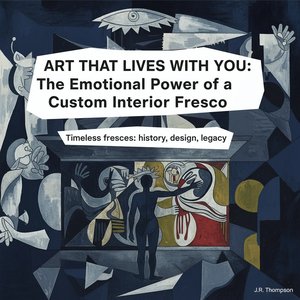
情感共鸣:定制室内壁画的力量与艺术史维度 (Qínggǎn gòngmíng: Dìngzhì nèishì bìhuà de lìliàng yǔ yìshǐ wéidù)
探索定制室内壁画的力量,从文艺复兴艺术史到现代空间设计。OriginalUniqueArt提供专业艺术家手绘、个性化定制服务,打造独一无二的艺术品,提升家居品味与文化价值。

The Enduring Legacy of Fresco: Technique, History & Artistic Expression Across Cultures
Explore the rich history & enduring legacy of fresco painting! Discover ancient techniques, Giotto's masterpieces, and modern applications. Expert insights for art lovers & professionals.

The Enduring Legacy of Fresco: Technique, History & Artistic Expression
Explore the rich history & enduring artistry of fresco painting. Discover techniques from Giotto to Michelangelo, conservation efforts, & modern applications. Learn how OriginalUniqueArt brings this timeless art form to your home.

The Fresco as Family Legacy: Preserving Heritage Through Wall Art
Explore the rich history & enduring legacy of fresco painting. Discover how to preserve family heritage through stunning wall art. Expert insights & restoration guidance.

The Enduring Legacy of Fresco Painting: Techniques, History & Contemporary Relevance
Explore the rich history & enduring artistry of fresco painting – from Giotto to Michelangelo! Discover techniques, conservation efforts, & modern applications. Learn how OriginalUniqueArt brings this timeless art form to your home.


